Subtotal R0,00

Politics/ 27 May 2025, 09:50am/ Lijeng Moruthane
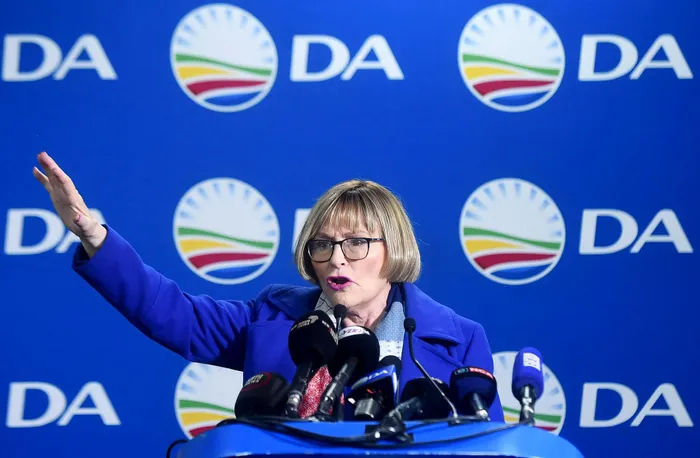
DA Federal Council chairperson Helen Zille gears up for a legal challenge against the Expropriation Act, defending private property rights: Image Supplied
By Lijeng Moruthane: The Democratic Alliance (DA) has placed the defence of private property rights at the centre of its political and legal battle against the recently signed Expropriation Act of 2024.
Following a motion passed by the DA’s Federal Council — the party’s highest decision-making body between Federal Congresses — the official opposition has reaffirmed its unwavering commitment to protecting property owners from what it calls a direct threat to constitutional rights.
The DA argues that the controversial principle of “nil compensation,” introduced by the new law, undermines Section 25 of the Constitution, which guarantees that expropriation must come with “just and equitable” compensation, as determined by a court of law.
Helen Zille, chairperson of the DA’s Federal Council, said the party believes secure private property rights are essential for economic growth, job creation, and improving living standards in South Africa. “Without these rights, the country’s investment climate and future prosperity are placed at severe risk,” she warned.
Read More:
Malema Defies Trump’s Call for Arrest, Vows to Keep Singing ‘Kill the Boer’ Chant
The motion passed by the council not only restates the DA’s long-standing position on land rights but also commits the party to legally challenge the Expropriation Act. It expresses full support for the DA’s efforts to pursue a judicial review and explore every available avenue to ensure the Act poses less of a threat to property owners.
President Cyril Ramaphosa signed the Act into law on January 23, intensifying national debates over land reform and ownership in the country. While the ruling African National Congress (ANC) views the Act as a tool to accelerate long-overdue land reform, the DA insists that undermining private property rights will harm South Africa’s already fragile economy.