Subtotal R0,00

Economy/ 19 May 2025, 15:44pm/ Staff Writer
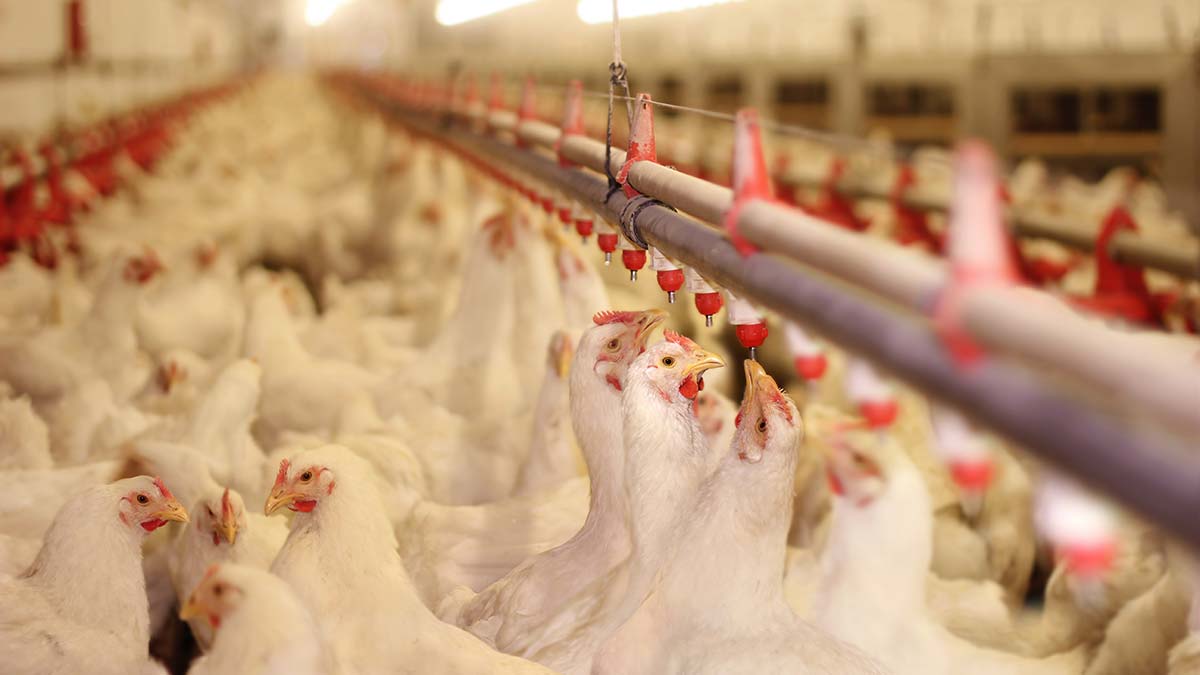
The Association of Meat Importers and Exporters (AMIE) has called on the South African government to avoid imposing a blanket ban on poultry: Image Supplied
By Staff Writer: A full ban on poultry imports from Brazil could drive up food prices and hit South Africa’s most vulnerable communities the hardest, the Association of Meat Importers and Exporters (AMIE) has warned.
In response to growing calls for the government to suspend poultry imports from Brazil due to a recent outbreak of avian influenza, AMIE has urged authorities to consider a more measured approach. The association is advocating for a regional ban—limited to affected areas in Brazil—rather than halting all poultry shipments from the country.
“Imported poultry not only fills the country’s poultry consumption gap, but also provides necessary competition to ensure that prices are kept in check,” said AMIE CEO Imameleng Mothebe. “Chicken is the most affordable protein for millions of South Africans, and any disruption in supply will disproportionately impact low-income households.”
Brazil supplies 92% of all mechanically deboned meat (MDM) imported into South Africa, amounting to about 18,000 metric tonnes monthly. The country also accounts for 73% of all other imported poultry products. South Africa does not produce MDM commercially and currently has no viable alternatives for this volume.
Read More:
CEO’s R15-Million Budget Bid Raises Eyebrows as SABC Faces Insolvency
Mothebe warned that a blanket ban would severely affect local poultry processors, many of whom rely on Brazilian imports to maintain operations. “Such a decision would ripple through the entire value chain—from producers to retailers—raising costs and limiting availability.”
He pointed out that other countries, including Japan, Saudi Arabia, the UAE, and the Philippines, have responded to the outbreak with targeted regional restrictions, allowing imports from unaffected areas to continue. AMIE believes South Africa should follow suit to protect both public health and food security.
The association also raised concerns about the government’s slow pace in reopening export markets such as France, several U.S. states, and the Netherlands—countries that remain closed to South African poultry even after their own avian flu outbreaks were contained.
“This delay puts additional strain on domestic supply and leads to inflated prices for consumers,” said Mothebe. “We are ready to work with the government to find a practical and sustainable path forward.”