Subtotal R0,00

Economy/ 10 March 2025, 15:28pm/ Staff Writer
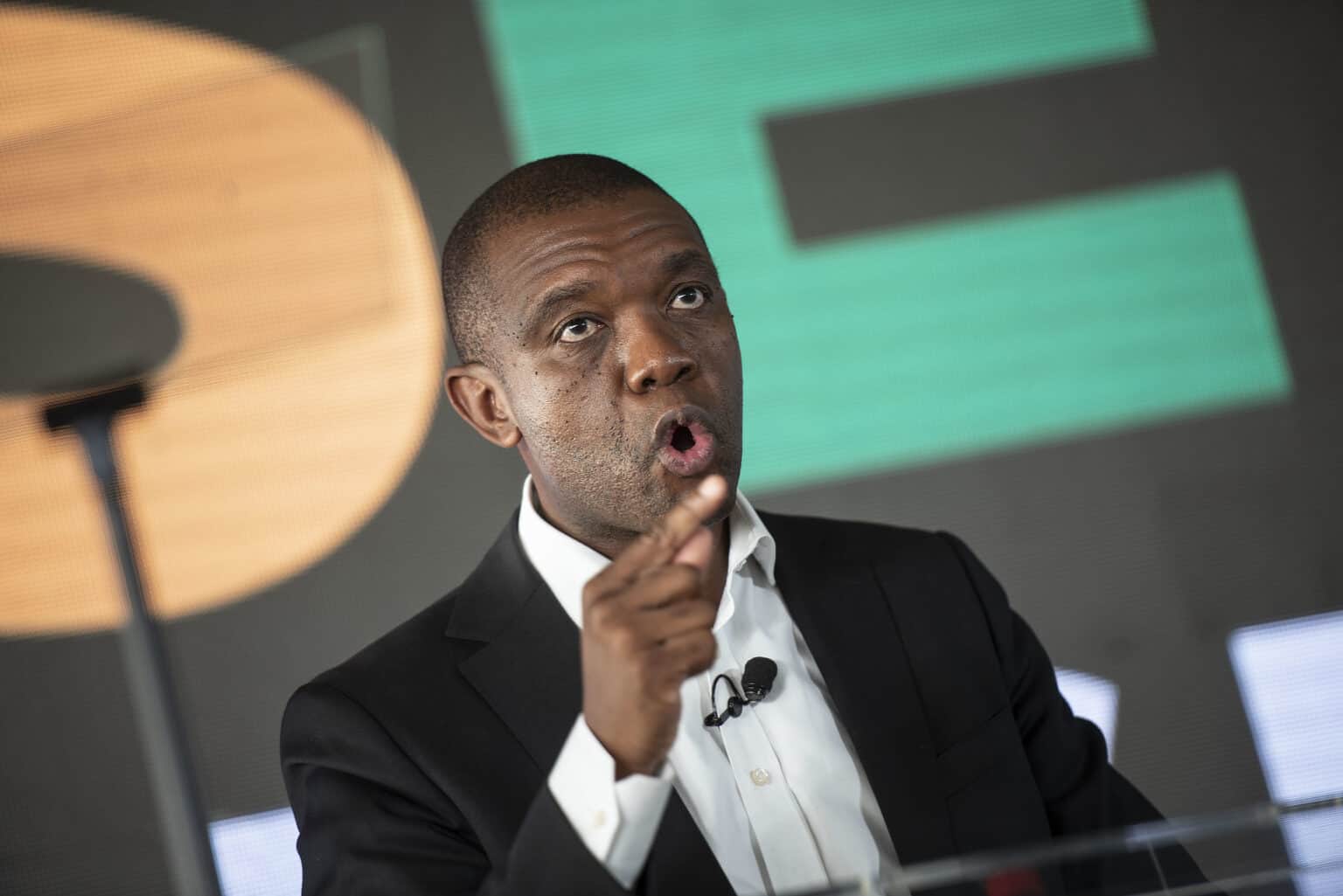
Songezo Zibi, Scopa Chair, urges better management of government funds: Image Supplied
By Staff Writer: The government must first learn to manage the funds it already possesses before seeking to increase its revenue, according to Songezo Zibi, Chair of the Standing Committee on Public Accounts (Scopa).
Speaking at a media briefing on Monday ahead of Wednesday’s budget speech, Zibi argued that the country’s financial woes are largely due to inefficient spending, maladministration, and corruption.
“We are borrowing too much while spending inefficiently or allowing money to be stolen,” Zibi said, adding that government debt has surged from R1.79 trillion in 2014-15 to R5.26 trillion in the 2023-24 financial year. He stressed that these issues must be addressed before the country can responsibly discuss future fiscal policies or additional revenue measures.
Zibi’s comments come as political parties continue to debate the proposed Value Added Tax (VAT) increase, which led to the postponement of the budget speech last month. The government is also grappling with the impact of the withdrawal of USAid funding for some programs, leaving a significant financial gap that must now be filled.
“We cannot continue to borrow more money and raise taxes while ignoring the fact that the government misuses the funds it already has,” Zibi stated. “We need to focus on eliminating maladministration and corruption, which have cost billions of rands in wasted funds.”
Zibi pointed to several areas where government inefficiency is draining resources, including the water services sector. Weak revenue management, a failure to bill consumers effectively, and poor debt collection practices undermine the sector’s ability to generate revenue, exacerbating the country’s financial challenges.
He also criticized the government’s high rental expenses. For example, the Department of Home Affairs spent R343.9 million on leased buildings in 2023-24. “The government’s property portfolio costs too much in terms of rental expenses,” Zibi said. In 2016-17, provincial governments collectively leased 1.2 million square meters of office space at a cost of R151 million per month, totaling R1.8 billion per year.
Zibi emphasized that before the finance minister can propose solutions to close the funding gap, such as raising taxes or increasing borrowing, the government must first implement better financial management practices. “We must look at how the government spends money and identify areas where savings can be made,” he said. “Only then can we have a meaningful discussion about the budget and potential solutions for the country’s financial challenges.”