Subtotal R0,00

Businesses/ 24 March 2025, 13:48pm/ Staff Writer
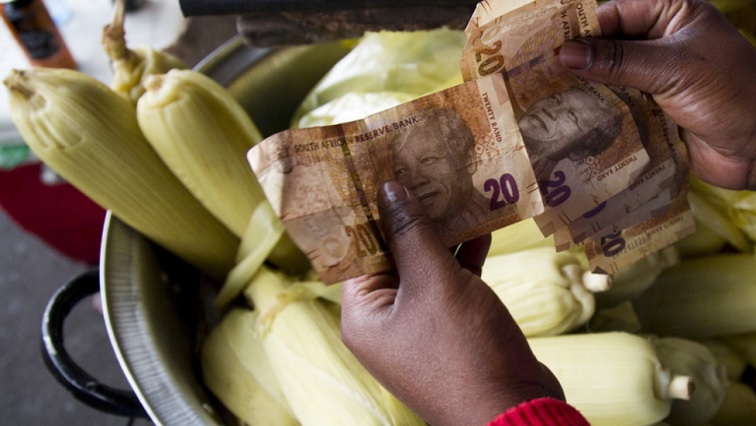
Informal traders in South Africa face licensing, financial, and educational challenges as they navigate the economy without formal registration: Image Supplied
By Staff Writer: South Africa’s informal business sector is grappling with numerous challenges, with a significant proportion of entrepreneurs operating without the necessary licenses or permits.
According to Statistics SA’s Survey of Employers and the Self-Employed 2023, approximately 89.3% of informal business owners in the country do not have a valid license or permit, hindering their ability to fully integrate into the formal economy.
In addition to licensing issues, over 80% of informal businesses rely on personal savings to fund their operations, reflecting the lack of access to traditional funding sources.
More than 90% of informal businesses operate without debt, credit facilities, or mortgages, highlighting the financial exclusion faced by many entrepreneurs. This lack of access to finance makes it challenging for small businesses to scale up or improve their operations.
A further obstacle for many informal business owners is the education gap, with 56.8% of entrepreneurs in 2023 having less than a matric qualification. This educational disadvantage limits their ability to navigate the complexities of running a business, such as maintaining financial records, marketing effectively, and complying with legal requirements.
The survey found that approximately 72% of non-VAT registered businesses did not keep financial records in 2023, an improvement from 80.5% in 2001 but still indicative of a major knowledge gap.
The survey also highlights significant regional and gender disparities within the informal business sector. Gauteng, KwaZulu-Natal, and Limpopo are the leading provinces for informal business activity, with Gauteng alone accounting for 28.9% of the sector in 2023.
Additionally, the gender dynamics within the sector have shifted over the years. While women were once more likely to run informal businesses between 2001 and 2005, men have since outpaced women in business ownership from 2009 to 2023. Despite this, women continue to dominate in sectors such as trade, where 51% of businesses are run by women.
The 2023 survey also found that most informal businesses are small, with 98.4% of owners operating a single business. A significant portion (22.5%) of informal businesses have been in operation for between one and three years, while 22.4% have been running for over ten years.
Despite the challenges faced by these businesses, many entrepreneurs continue to persist, indicating the resilience of the sector.
Informal businesses play a vital role in the South African economy, with the majority of employees in these businesses being paid workers. In 2023, 88.7% of employees in informal businesses were paid, up from 65.3% in 2001.
The trade industry remains the largest employer within the informal sector, accounting for 33.9% of informal business employment.
However, informal businesses still struggle to achieve significant turnover and profits compared to their formal counterparts. The survey revealed that men were more likely to report higher turnover (above R6,000) than women, with a gender gap of approximately 10.3% in 2023.
The secondary sector, which includes manufacturing, recorded the highest turnovers and profits, indicating that businesses in this sector may have more potential for growth.