Subtotal R0,00


Free State/ 06 May 2025, 14:48pm/ Lijeng Moruthane
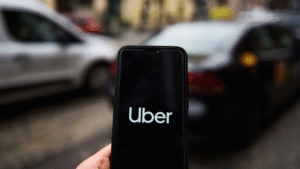
e-Hailing drivers report frequent harassment from taxi operators and from passengers: Image Supplied
By Lijeng Moruthane: e-Hailing drivers in South Africa say they are under siege, as cases of harassment and intimidation continue to rise—primarily at the hands of members of the traditional taxi industry and, at times, even their own clients.
According to the E-hailing Partners Council, operators driving for Uber, Bolt, and InDrive are being chased away from key pick-up and drop-off points, particularly in high-traffic areas like Eastgate Mall, Southgate Mall, the Sandton Gautrain Station, and around the Michaelangelo Hotel.
Melithemba Mnguni, Secretary-General of the Council, says the level of harassment is spiraling out of control and is severely affecting the mental health and financial stability of many drivers.
“The situation is bad and it’s been bad,” said Mnguni. “It’s affecting our earnings because drivers are scared to operate in certain areas. They get harassed, their cars get damaged, and in some cases, they are held to ransom and extorted.”
Read More:
Gauteng Education Grilled as 3,400 Unvetted School Transport Drivers Exposed
While e-Hailing services have revolutionised urban transport in South Africa—offering a convenient alternative to minibus taxis—tensions have flared as competition for passengers grows. E-hailing drivers say they are unfairly targeted and accused of encroaching on taxi industry territory.
What started as verbal confrontations and territorial warnings has now escalated to threats, physical intimidation, and extortion. Some drivers report being forced to pay “protection fees” to operate in specific locations without incident.
Mnguni warns that unless authorities intervene, the continued harassment could lead to more violent clashes and deter e-hailing services from operating freely in parts of the country.