Subtotal R0,00

National News/ 24 February 2025, 13:18pm/ Lijeng Moruthane
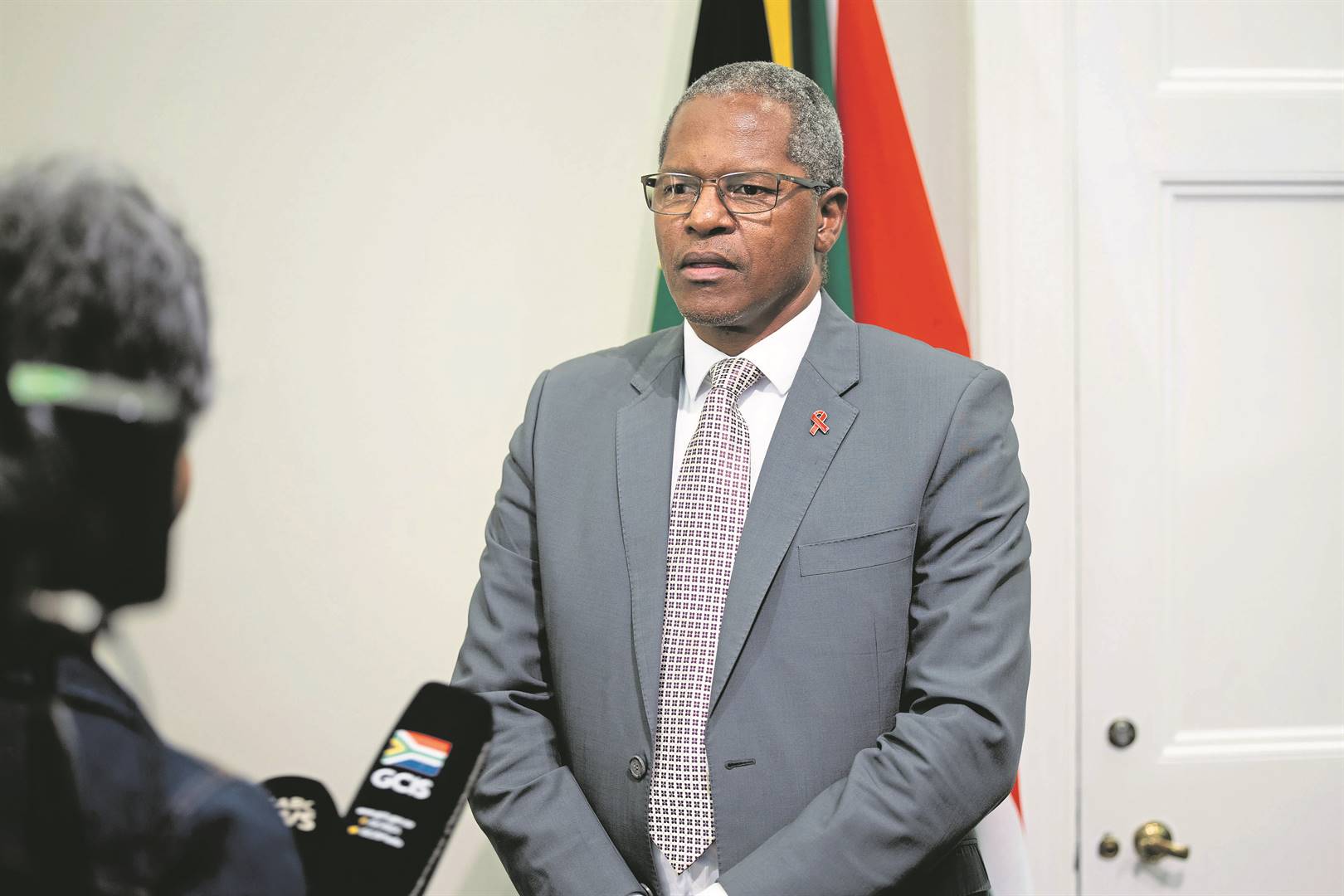
Minister Velenkosini Hlabisa emphasizes the urgency for municipalities to settle their debts: Image Supplied
By Lijeng Moruthane: In a decisive move to address the escalating debt crisis facing South Africa’s municipalities, Cooperative Governance and Traditional Affairs (Cogta) Minister Velenkosini Hlabisa has announced a plan to compel local governments to fulfill their financial obligations to key service providers, including Eskom and water boards.
This initiative follows President Cyril Ramaphosa’s recent commitment to establishing a “modern and fit-for-purpose local government system” aimed at restoring functionality in municipalities.
Hlabisa emphasized that a significant part of the solution lies in ensuring municipalities actively collect revenue and pay their outstanding debts. “The government has set a tone that it is time to pay,” he declared, highlighting the critical need for accountability within the local government framework.
The minister outlined the dire state of local governance, revealing staggering debts: as of December 2024, municipalities owed Eskom over R107 billion and water boards over R23 billion. This financial mismanagement has resulted in a lack of essential services, including consistent water supply, effective wastewater treatment, and reliable power delivery.
Hlabisa pointed to the “vicious cycle” created by these debts, which exacerbates the challenges municipalities face in serving their communities.
“To ensure that municipalities have the resources to pay their debts, we must engage with businesses and government entities to guarantee they fulfill their financial responsibilities,” Hlabisa asserted.
He stressed that all stakeholders, including provincial and national departments, must contribute to the financial stability of municipalities, which are often left to shoulder the burden alone.
Hlabisa’s call for financial accountability is underscored by the recognition that municipalities are owed money by various entities, including government departments and private businesses.
“You can’t expect municipalities to provide services if they are not receiving payment for those services,” he stated, highlighting the disconnect between service provision and revenue collection.
The minister noted that many municipal debts are disputed, complicating efforts to collect owed amounts. “We need to verify the figures, as municipalities are sometimes billed incorrectly. This issue has resulted in billions being tied up in disputes,” Hlabisa explained.
In response to the ongoing crisis, the national government is exploring ways to increase revenue generation for municipalities while also reviewing existing funding models. During President Ramaphosa’s recent State of the Nation Address, he announced plans for an updated White Paper on Local Government, aiming to outline necessary reforms and ensure municipalities have sustainable revenue bases.
With local government elections on the horizon, Ramaphosa emphasized the importance of creating a modern local governance system that effectively addresses the challenges municipalities face.
Hlabisa confirmed that discussions are underway regarding the funding model, which currently allocates only 9.6% of the national revenue’s equitable share to local government.
The proposed reforms aim to ensure that previously disadvantaged municipalities receive adequate support, allowing them to improve their financial health. Hlabisa stressed the need for a revised funding model that takes into account the unique challenges faced by different municipalities.
As Hlabisa and his department work towards a sustainable solution, he expressed optimism that the updated White Paper on Local Government will pave the way for much-needed reforms.
Ongoing consultations with stakeholders, including provincial governments and the South African Local Government Association, are crucial for developing a framework that addresses the systemic issues within local governance.
Hlabisa is set to present the review process to the Presidential Coordinating Council on March 14, with a timeline to finalize consultations by December 2025 and present a revised White Paper to Cabinet in April 2026.
“Reimagining our municipalities is essential. We need to create entities that are fit for purpose, capable of generating revenue and effectively delivering services to their communities,” he concluded.