Subtotal R0,00

National News/ 21 February 2025, 10:28am/ Staff Writer
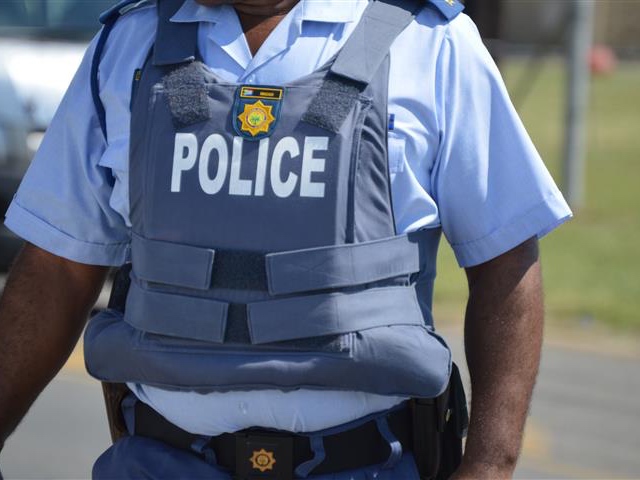
The South African Police Service prepares to implement body cameras in a bid to enhance accountability and transparency in law enforcement: Image Supplied
By Staff Writer: The South African Police Service (SAPS) is set to roll out body cameras starting April 1, but questions over cost and accountability have emerged as key concerns.
Each body camera is priced at R29,000, with an initial investment of nearly R2.88 million for 100 units. Over five years, the total cost is expected to reach R14.4 million. While some view this as a necessary investment in transparency and police accountability, others argue that the financial outlay is excessive, given the vast number of officers in the force.
Crime expert Willem Els supports the initiative but warns that body cameras alone will not address systemic policing issues. “The cost is justified because the cameras will hold police accountable and rebuild the public’s trust—if used and governed effectively,” he said.
Els emphasized that the success of the program hinges on proper management and enforcement. “A body camera is not a magic wand; it is just a tool. For it to be effective, police leadership must take responsibility, ensuring consequences for non-compliance,” he explained.
He argues that accountability must extend to station commanders, who should oversee officers using the devices. Without strict oversight, the technology could be underutilized or mismanaged, limiting its effectiveness in curbing misconduct.
The rollout comes as SAPS faces increasing scrutiny over both police misconduct and officer safety. In the 2023/24 financial year, 111 officers were killed in the line of duty. Els believes body cameras could improve interactions between law enforcement and the public, serving as both a protective measure for officers and a deterrent for misconduct.
“The public will have to approach officers with respect, as real-time footage will serve as a deterrent for abuse towards the police and vice versa,” he said.
Despite the intended benefits, critics argue that the rollout lacks scale. The Democratic Alliance (DA) pointed out that with nearly 179,000 officers in the force, distributing only 100 cameras per year is inadequate.