Subtotal R0,00


Economy/ 19 February 2025, 11:18am/ Lijeng Moruthane

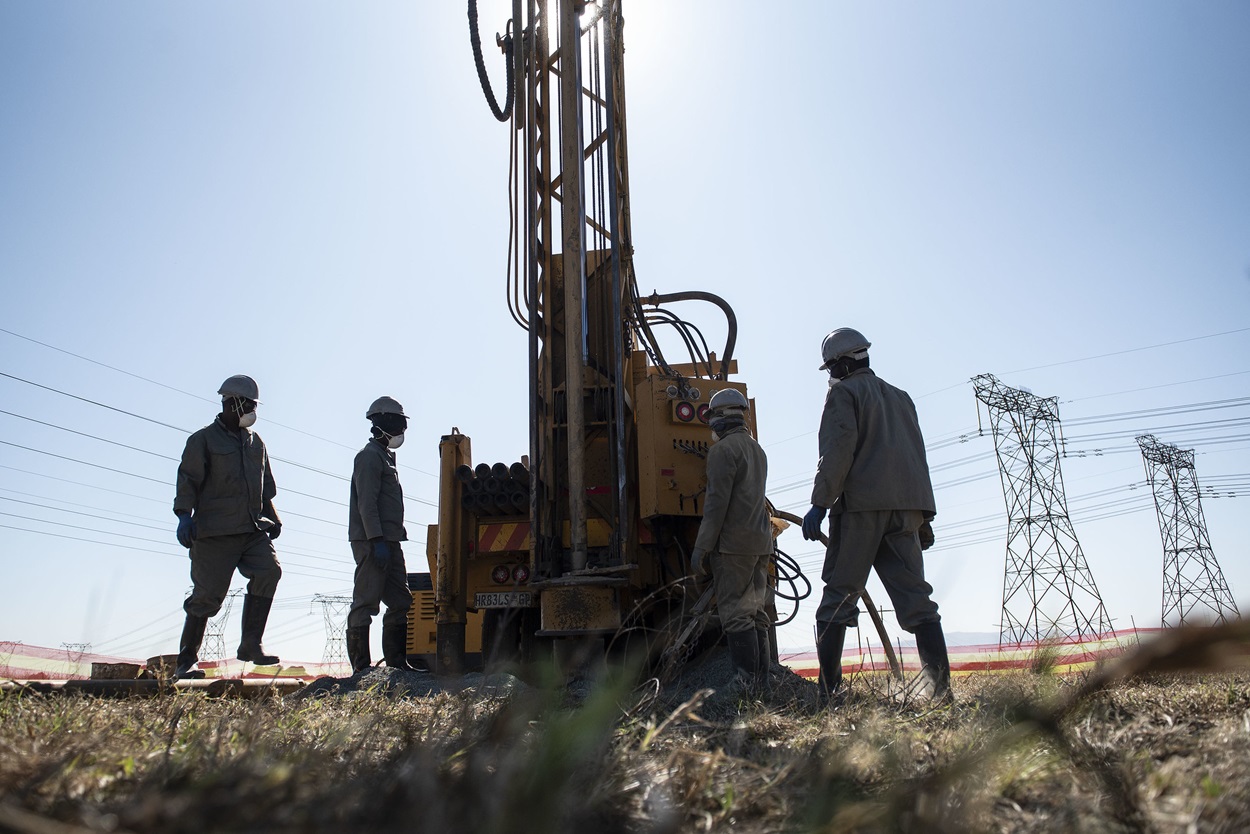
Job Creation Challenges: South Africa’s Need for 8 Million Jobs Amid Economic Growth Struggles: Image Supplied
By Lijeng Moruthane: South Africa’s Quarterly Labour Force Survey for the fourth quarter of 2024 reveals a modest improvement in the country’s unemployment rate. Despite this positive trend, the nation still requires nearly 8 million jobs to meet the demands of its workforce, a situation exacerbated by weak economic growth.
Statistics South Africa’s survey indicates a total employment increase of 131,669 jobs in the fourth quarter, a decrease from the previous quarter’s gain of 293,840 jobs.
This slower rise in employment compared to the drop in unemployment has resulted in the official unemployment rate falling by 0.2 percentage points to 31.9%. The absorption rate also improved by 0.2 percentage points to 41.1%, the highest since the 42.1% recorded in early 2020.
Thanda Sithole, a senior economist at FNB, suggests this data reflects a gradual improvement in the economy’s capacity to generate jobs and absorb workers.
However, Sithole highlights that youth unemployment remains alarmingly high, with the jobless rate for those aged 15 to 24 decreasing to 59.6% from 60.2%.
The unemployment rate for the 25 to 34 age group also fell, from 40.4% to 39.4%. She emphasizes the urgent need for accelerated pro-growth structural reforms to foster sustainable and inclusive economic expansion.
The survey further reveals a decline in formal public sector jobs within the community and social services sector, which dropped by 29,129 positions after an increase of 128,247 in the previous quarter, bringing total employment in this sector to 3,405,485. Despite being above pre-pandemic levels, public sector employment is increasingly constrained by fiscal limitations and consolidation efforts.
In contrast, the private sector saw job growth in the formal non-agricultural sector, adding 119,472 jobs, fully recovering from a quarterly decline of 6,278 jobs.
Year-on-year, this sector has gained 132,867 jobs, totaling 8,273,680. Significant employment growth was noted in financial intermediation, insurance, real estate, and business services, with other business activities contributing 210,587 jobs. Nonetheless, declines were seen in sectors such as insurance and pension funds, real estate, and computer-related fields.
The agricultural sector experienced a decrease of 11,014 jobs compared to the previous quarter, although employment rose by 3,601 positions from the previous year, reflecting a contraction in agricultural GDP.
Sithole attributes this decline to ongoing fiscal pressures but notes that improvements in the Agbiz Agribusiness Confidence Index and better weather conditions may signal a near-term recovery.
Informal employment, which serves as a vital income source for many, rose by 33,893 jobs compared to the third quarter and increased by 147,193 year-on-year, reaching 3,328,461. Employment in private households grew by 18,446 jobs from the last quarter, totaling 1,146,271.
Despite these gains, Sithole cautions that the quarterly increase was insufficient to fully counteract the 32,398 job losses recorded in the third quarter, highlighting ongoing challenges for households even amidst low inflation and slightly relaxed monetary policy.
While the data suggests improvements in the unemployment rate and employment gains, Sithole warns that structural constraints persist in a sluggish growth environment.
She notes that alleviating energy constraints and stabilizing logistics networks could improve operating conditions, but infrastructure reforms, investment, and better governance will be critical for sustained growth and meaningful job creation.
Economists from the Nedbank Group Economic Unit, including Johannes Khosa, Busisiwe Nkonki, and Nicky Weimar, foresee a modest improvement in the labor market outlook as structural constraints ease and cyclical forces become more favorable.
They anticipate that steady power supply and smoother logistics will support economic activity, while favorable weather conditions in agriculture may also play a role in recovery.
However, they caution that fiscal consolidation may limit government employment growth and warn of potential labor disputes and retrenchments in industries like manufacturing and mining.
Ultimately, a significant reduction in the unemployment rate hinges on accelerated economic growth, with projections indicating GDP growth of 1.4% in 2025 and 1.6% over the following three years. According to Okun’s Law, a 1% decrease in unemployment will require the economy to grow by at least 2% or more.