Subtotal R0,00

International/ 17 February 2025, 09:15am/ Lijeng Moruthane
Zimbabwean health workers assist patients at a local clinic amid concerns over the withdrawal of U.S. HIV/AIDS funding, which previously supported 1.2 million people: Image Supplied
By Staff Writer: An estimated 1.2 million Zimbabweans rely on the U.S. President’s Emergency Plan for AIDS Relief (PEPFAR), with around 1,600 public hospitals and clinics having received technical support from the U.S. government.
However, the future of these critical health services is now uncertain following Washington’s decision to halt financial aid to African nations.
The funding cut, initiated through an Executive Order signed by former U.S. President Donald Trump, has sparked concerns over Zimbabwe’s ability to sustain its progress in the fight against HIV/AIDS.
Last year, the country achieved the UNAIDS 95-95-95 targets, marking a significant milestone in its response to the epidemic. But with PEPFAR’s withdrawal, experts fear this progress could be reversed if alternative funding is not secured.
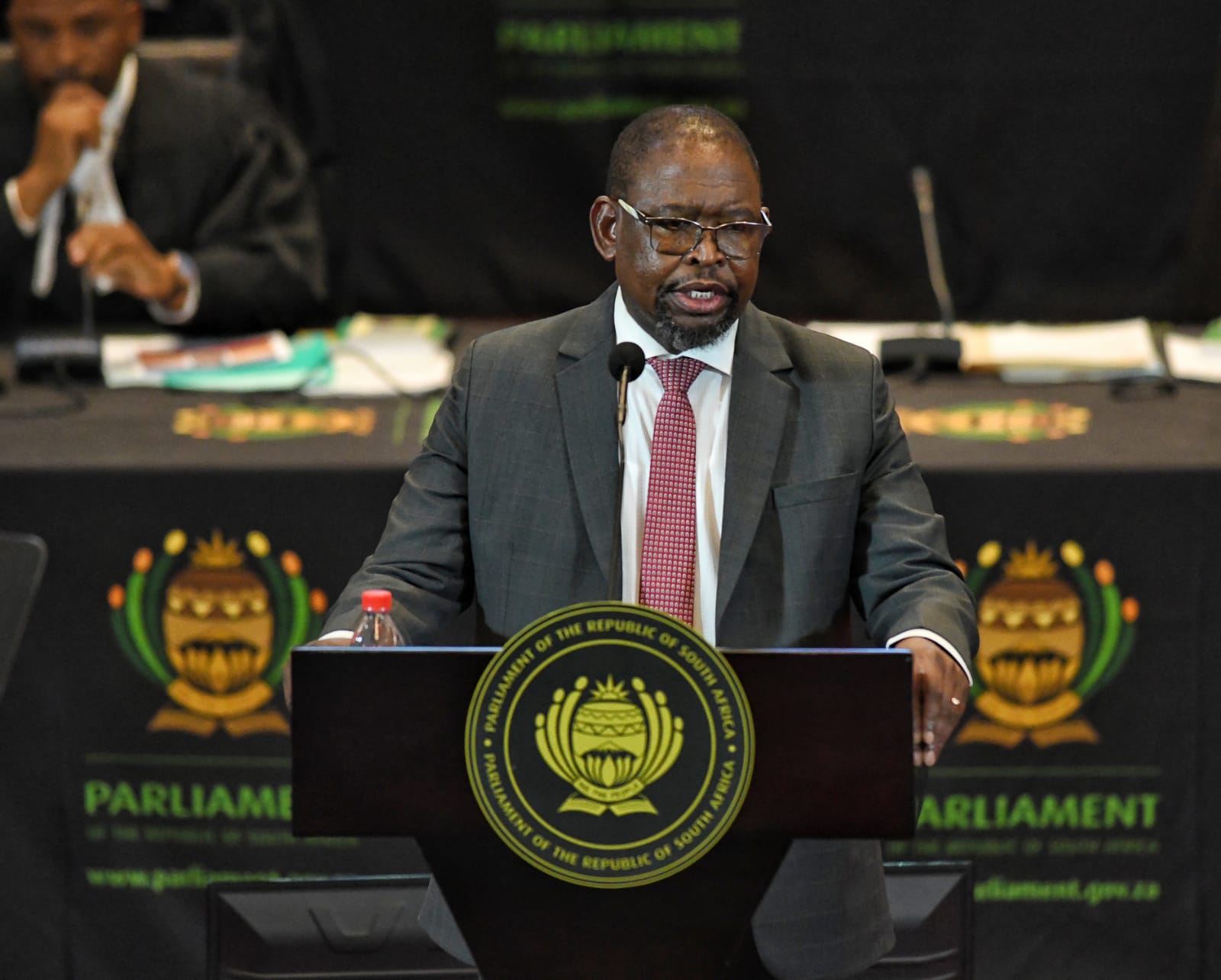
Addressing Parliament, Deputy Minister of Health Sleiman Kwidini acknowledged the impact of the decision but assured lawmakers that the government is working on solutions to fill the gap.
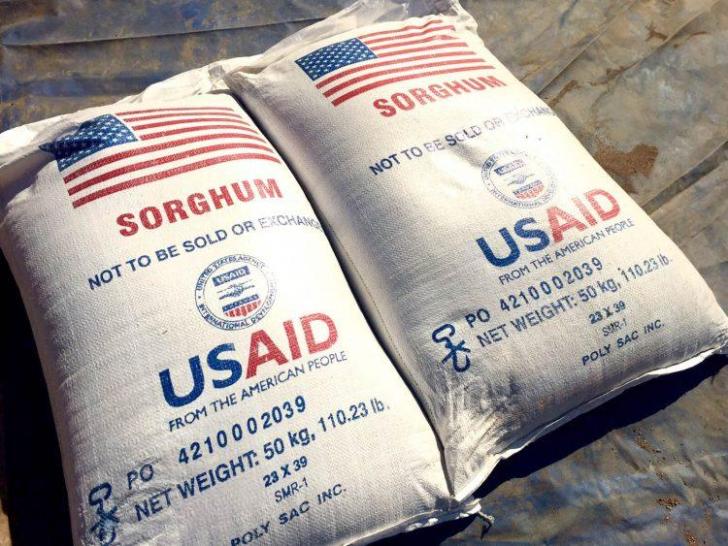
“Yes, there might indeed be an impact from the withdrawal of the United States Agency for International Development (USAID) from the World Health Organisation (WHO). However, as a government, we cannot base our health policies entirely on external funding,” Kwidini said.
Despite the reassurances, health advocates warn that Zimbabwe’s public health system is already under strain. PEPFAR has played a critical role in ensuring access to life-saving antiretroviral therapy (ART), testing, and prevention services. Without continued support, the country could see an increase in HIV transmission rates and a decline in treatment coverage.
Kwidini stated that the government is exploring ways to reallocate resources and strengthen domestic funding for health programmes.
“In terms of HIV and AIDS, malaria, and tuberculosis, these were originally government programmes. We then had stakeholders who came in to fund those programmes. As we speak, our technocrats are working to ensure that we cover the gap left by these programme implementers,” he said.