Subtotal R0,00

Economy/ 17 February 2025, 09:18am/ Lijeng Moruthane
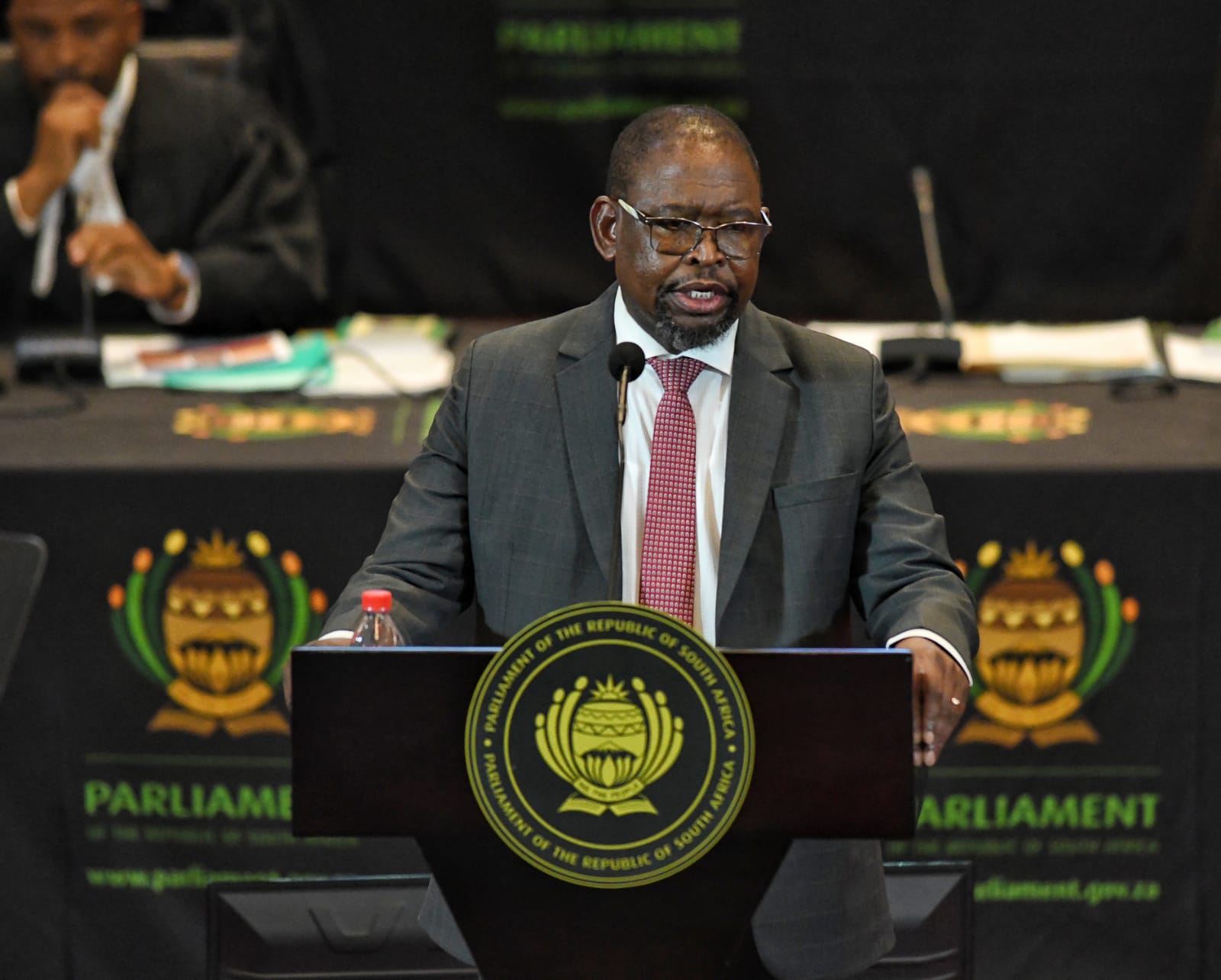
Finance Minister Enoch Godongwana prepares to deliver the national budget amid economic challenges: Image Supplied
By Lijeng Moruthane: With the State of the Nation Address (SONA) now behind, attention shifts this week to the highly anticipated tabling of the national budget in Parliament.
Finance Minister Enoch Godongwana faces the challenging task of balancing the country’s finances amid a constrained economy, with speculation mounting over potential tax hikes to address revenue shortfalls.
However, the Democratic Alliance (DA) has made it clear that it will not support any increases in personal, corporate, or value-added tax (VAT), arguing that South Africans cannot afford additional financial burdens.
“South Africans are already struggling under the cost-of-living crisis, and to further burden our citizens would be completely unacceptable,” said DA finance spokesperson Mark Burke. “The DA urges the Government of National Unity to focus on growth-oriented reforms, infrastructure investment, and cutting wasteful expenditure rather than imposing higher taxes.”
Reports have suggested that Godongwana may have little choice but to consider tax hikes to plug the budget gap. However, opposition to such measures is not limited to political parties.
The Congress of South African Trade Unions (COSATU) has also warned against any increases, particularly in VAT, citing dire consequences for workers and the broader economy.
COSATU’s parliamentary coordinator, Matthew Parks, cautioned that tax hikes could worsen the financial strain on struggling households, especially as the country heads toward the 2026 local government elections.
“Such increases would plunge workers and their families, who are already bleeding from the rising cost of living and a 400 basis points hike in the repo rate, deeper into debt,” said Parks.
“A VAT increase will stoke inflation and suck money out of the economy when it is most needed to stimulate growth. It would send a message to society that government cares more about balancing tables and graphs than ensuring workers can put food on the table and pay for electricity.”