Subtotal R0,00

International/ 11 February 2025, 10:19am/ Staff Writer
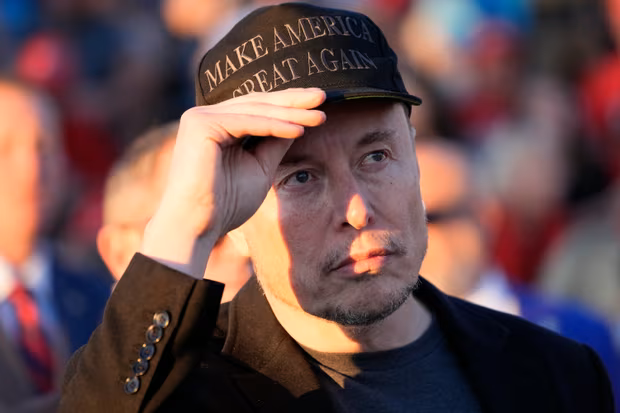
Elon Musk’s Doge department faces legal battles over government overhauls: Image Supplied
By Staff Writer: Elon Musk, once a federal contractor benefiting from lucrative government deals, has now taken a leading role in reshaping the U.S. government’s operations under President Donald Trump’s administration.
As head of the newly created Department of Government Efficiency (Doge), Musk has been aggressively dismantling diversity and inclusion programs and slashing what he deems as government “waste.” However, his rapid and sweeping changes have triggered legal battles and public outcry, raising serious constitutional and ethical concerns.
In 2022, the Pentagon formed a committee on diversity and inclusion, proudly appointing a Marine veteran and senior Tesla director as a member. That same individual helped push Musk to recognize Juneteenth as a company-wide holiday.
But now, under Trump’s second administration, Musk has taken a starkly different stance, leading Doge’s crusade against diversity initiatives and other federal programs he views as unnecessary.
Musk’s actions are facing intense scrutiny, more so given his longstanding ties to government contracts. His company Starlink, a division of SpaceX, has received significant funding from the Pentagon, raising conflict of interest concerns now that he holds an official government position.
The creation of Doge and its sweeping authority have sparked numerous lawsuits. Laurence Tribe, a Harvard Law professor and one of the nation’s leading constitutional scholars, has strongly criticized Musk’s role, calling it legally questionable.
When asked if Doge and Musk’s authority over various government agencies is legal, Tribe was unequivocal “NO.”
Tribe argues that Trump’s executive orders granting Musk vast control over multiple agencies bypass legal guardrails, raising issues of constitutional violations and ethical misconduct.
Further legal opposition has come from Senator Bernie Sanders, who called Musk’s actions “illegal and unconstitutional” in an interview with an American publication. Sanders pointed out that agencies like USAID, one of Doge’s primary targets, cannot be eliminated without congressional approval.
“You can’t do it unilaterally,” Sanders emphasized.
Beyond constitutional concerns, Musk’s approach has raised serious privacy issues. Reports suggest that Doge employees—many of them young programmers handpicked by Musk—took control of the Treasury Department’s payment system, gaining access to Americans’ social security numbers, bank details, and personal addresses.
A judge has already issued a temporary hold on Doge’s full access to the system, while another court has placed a freeze on federal worker buyout deadlines.
Musk’s track record of mass layoffs is also under scrutiny. In recent years, his companies have faced multiple lawsuits over wrongful terminations, racial discrimination, and labor law violations. At Tesla’s Fremont, California, factory, Black employees have won multi-million-dollar settlements over racial harassment claims, with further lawsuits still pending.
According to Ed Ongweso Jr., a senior researcher at Security in Context, Musk’s aggressive governance style is an extension of his corporate tactics:
“It’s obvious lawsuits aren’t a deterrent for the world’s richest man. Why would he stop mass layoffs, slashing and burning operations, or recruiting racists when it’s worked out so well for him that he’s now in firm control of America’s administrative state?”
While legal challenges pile up, Musk’s influence within the government remains largely unchecked. With a conservative Supreme Court supermajority, many of the lawsuits against Doge risk being dismissed or ruled in favor of the administration.
However, public resistance is growing. Protests outside USAID buildings have drawn hundreds, with broader Democratic opposition mounting. Meanwhile, legal experts and advocacy groups continue to challenge Doge’s legitimacy, arguing that it should be classified as a federal advisory committee, making it subject to transparency laws and public oversight.