Subtotal R0,00

International/ 05 February 2025, 10:50am/ Lijeng Moruthane
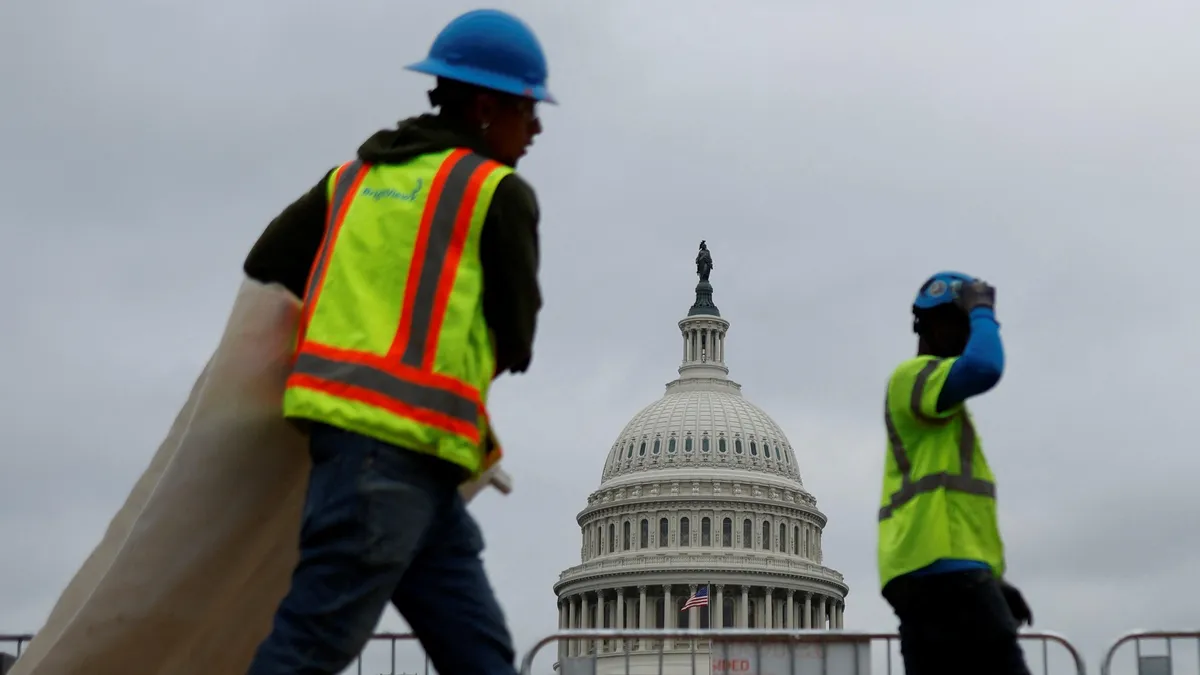
Deportations could lead to a significant shortage of workers in the U.S. construction industry, exacerbating the housing affordability crisis: Image Supplied
By Lijeng Moruthane: A new study suggests that the Trump administration’s push for mass deportations could have unintended consequences, particularly in the construction sector, where undocumented workers play a critical role.
The research warns that removing migrant workers could severely slow homebuilding across the nation, exacerbating the country’s ongoing housing affordability crisis.
Co-authored by Troup Howard, an assistant professor at the University of Utah’s Marriner S. Eccles Institute for Economics and Quantitative Analysis, the study highlights the detrimental impact deportations would have on the construction workforce, which relies heavily on low-skilled labor.
According to Howard, the loss of these workers could drastically reduce new residential construction, thereby driving up both new and existing home prices.
“Deportations would deplete the labor force in the construction industry, and this reduction is directly linked to a substantial decline in homebuilding,” said Howard.
“Without enough workers, the pace of construction would slow, making it harder to keep up with housing demand, which would push prices even higher.”
While the policy of deporting undocumented immigrants has been touted as a way to create more jobs for U.S. citizens and alleviate housing costs, Howard’s study points to a paradox, the reduction in available construction labor would lead to fewer homes being built, potentially worsening the housing affordability crisis.
The study, co-authored by Mengqi Wang from Amherst College and Dayin Zhang from the University of Wisconsin-Madison, analyzes the effects of the Secure Communities program, which began in 2008 and significantly ramped up immigration enforcement across the US.
The research shows that, in counties where the program was implemented, there was a clear drop in the number of workers available for construction jobs, particularly in the low-skill positions that are typically filled by undocumented migrants.
The result, a noticeable slowdown in home construction. With fewer workers in the labor force, new homes became harder to build, and the cost of existing homes began to rise as the supply struggled to meet demand.
As the study notes, the situation is especially dire given that home construction has not yet recovered from the 2008 financial crisis. Over the past 15 years, home prices have steadily climbed, and new housing developments remain below pre-recession levels.
The study also highlights a surprising outcome: while the policy would theoretically create more job opportunities for U.S. citizens, many of the construction positions vacated by deported workers remain unfilled.
“When two jobs open up due to deportations, only one might be filled by an American worker,” Howard explained. “The other job typically goes unfilled, leading to a net loss in the available workforce for these lower-skilled roles.”
This shortage of workers, particularly in the entry-level construction positions that immigrants often occupy, leads to a slowdown in the entire industry. The ripple effect is felt across all levels of the housing market, as delays in building new homes mean fewer opportunities for affordable housing to become available.
Further complicating the situation, the study suggests that even when these lower-skilled positions are filled by US workers, the overall labor shortage still limits the industry’s ability to meet demand.
“You need workers to lay the foundation and frame the house before electricians and plumbers can come in and finish the job,” Howard said. “Without enough workers in the early stages, the entire construction process is delayed, which in turn slows the economy’s ability to meet housing demand.”