Subtotal R0,00

Education/ 13 January 2025, 10:20am/ Lijeng Moruthane
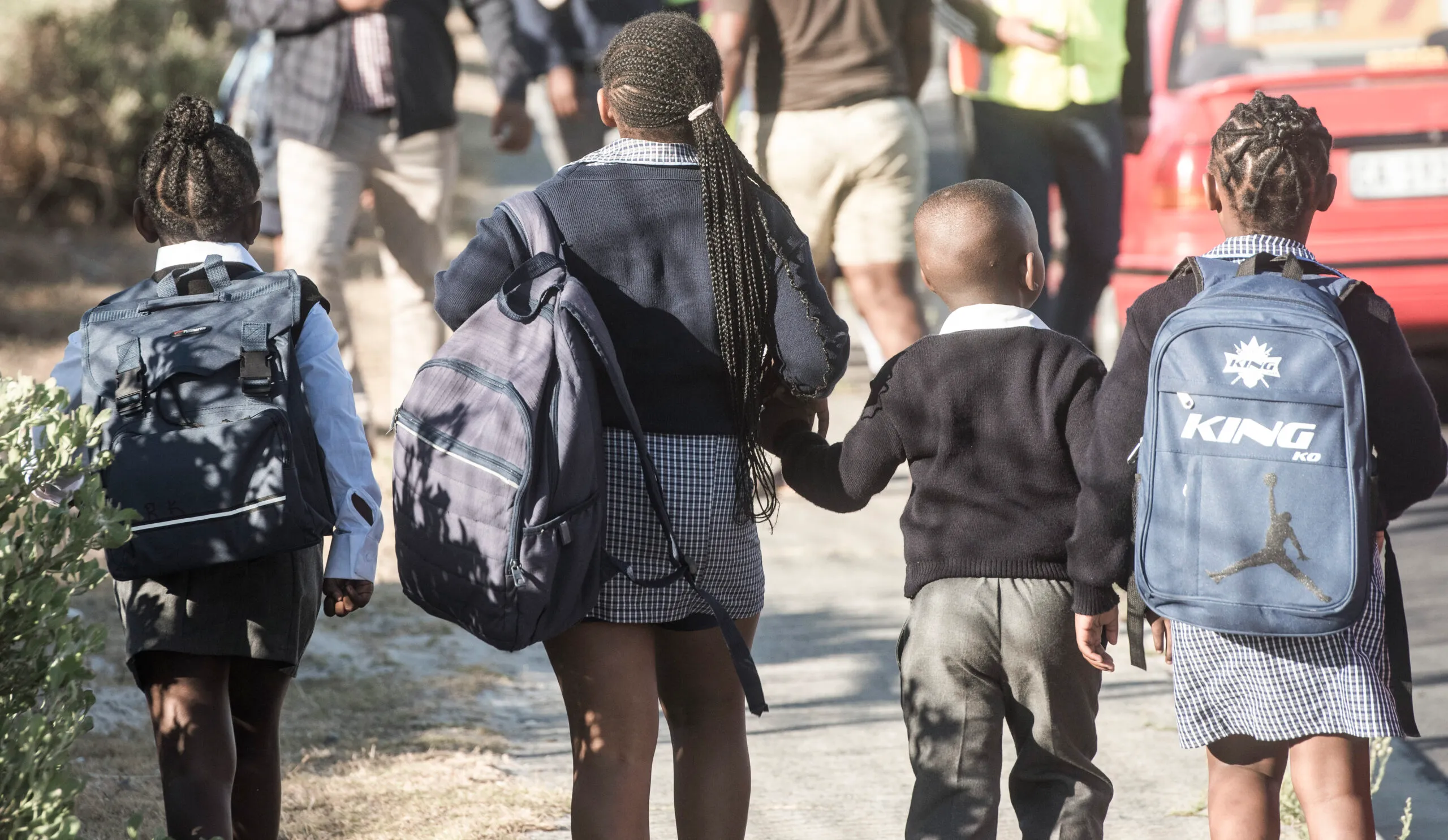
The debate over undocumented migrant children’s access to South African schools intensifies, fueling national controversy: Image Supplied
By Lijeng Moruthane: As South Africa grapples with the inclusion of undocumented foreign children in its public schools, stakeholders are emphasizing a key international principle: every child, regardless of status, has the right to education.
This principle, rooted in both the South African Constitution and international law, has come under scrutiny following the Department of Basic Education’s (DBE) directive to admit all learners, including those undocumented, for the 2025 academic year.
The policy has drawn mixed reactions, reigniting debates on migration, resource allocation, and social justice.
Dr. Vusumuzi Sibanda, CEO of the African Diaspora Global Network, highlighted the legal and ethical imperative to prioritize children’s education above immigration concerns.
“It is a generally accepted international principle that any hindrance to a child receiving an education is not in the best interest of the child,” Sibanda said.
He referenced discussions held in 2019 with then Minister of Basic Education Angie Motshekga, during which it was agreed that documentation should not impede a child’s access to schooling.
South Africa’s Constitution criminalizes the exclusion of immigrant children from education, aligning with global norms that stress equal rights for all children.
As Sibanda noted, “The best interest of the child must remain the guiding principle, even as we address broader issues like immigration policy and resource constraints.”
Despite these legal safeguards, the directive has sparked frustration among some South Africans who argue that the policy strains already limited resources. Herman Mashaba, leader of ActionSA, has been vocal in his opposition, arguing that South Africa cannot sustain such policies given its struggling education system.
“We live in a country where a huge percentage of our public schools are in poor condition, where we do not have enough teachers, and where overcrowding is rampant,” Mashaba said on SABC.
He criticized the government for creating what he described as incentives for undocumented migrants to seek subsidized education in South Africa.
Anthea Ceresoto, CEO of the Governing Body Foundation, acknowledged the concerns but stressed that schools have no authority to enforce immigration laws.
“Schools are not the immigration authority, so we have to rely on the Department of Home Affairs to do its job,” she said.
Ceresoto noted that immigration officials have visited schools to collect undocumented families for deportation, adding that withholding school placements is not a viable solution.
Ceresoto urged migrant parents to comply with visa regulations, especially those eligible for asylum or legal status. However, she emphasized that schools must prioritize children’s rights.
“All children have equal rights,” she said. “Some schools have been reported withholding places to prioritize South African children, which is problematic. Schools have to make a plan to accommodate everyone.”
South Africa’s decision mirrors global debates on balancing humanitarian obligations with domestic challenges. The inclusion of undocumented children has long been recognized as essential for fostering equity and breaking cycles of poverty, but critics argue that it must not come at the expense of host communities.