Subtotal R0,00

News/ 29 November 2024, 14:00pm/ Lijeng Moruthane
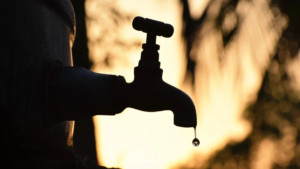
Many communities face deteriorating water quality and unreliable supply as the country’s water crisis deepens: Image Supplied
By Lijeng Moruthane: South Africa is facing a dire and worsening water quality crisis, with the performance of municipalities in providing safe, clean drinking water having plummeted over the past five years.
The number of municipalities that can supply “good” quality water has dropped dramatically, from 93 in 2021 to just 59 in 2024.
This troubling decline was revealed in a recent parliamentary response from Minister of Water and Sanitation, Pemmy Majodina, following questions posed by ActionSA MP Alan Beesley.
The Department of Water and Sanitation (DWS), which monitors drinking water compliance across the country through the Integrated Regulatory Information System, has provided a stark picture of the situation.
Municipalities are rated in categories ranging from poor to excellent based on the quality of water they provide.
However, the numbers speak for themselves: In 2020, 544 municipalities were rated as “bad,” and only 70 were rated as “good.”
By 2024, the number of “bad” systems remains high at 491, with just 59 municipalities able to provide water that meets the required standards.
This is a sharp decline from the 93 good systems in 2021, showing a clear downward trend in municipal water quality performance.
The country’s water crisis is exacerbated by a number of factors, including severe environmental degradation, resource pollution, and inefficient use of water.
Alarmingly, recent reports by the DWS show that more than half of the water provided across the country is of poor to bad microbiological quality.
Around 40.8% of the water is lost due to leaks or remains unaccounted for, while 67.6% of wastewater treatment facilities are failing to properly process sewage and waste.
This means that millions of South Africans are drinking contaminated water, while wastewater is being improperly treated, causing further environmental harm.
Further compounding the crisis, South Africa is facing an alarming water supply deficit. Projections indicate that by 2030, the country will face a 17% shortage in water supply, even as demand continues to rise.
This is not a distant problem but a crisis already unfolding. Despite these dire warnings, the government’s response has been slow and ineffective.
Minister Majodina has claimed that the Department of Water and Sanitation is offering support to municipalities, including guidance and periodic assessments of water treatment facilities.
However, this has done little to address the systemic issues, and the department has no authority to declare a state of emergency in the worst-affected areas unless local government ministers take action.
Adding to the gravity of the situation, South Africa’s water boards are now in deep financial trouble, with a staggering R23.4 billion owed to them—more than 70% of which is overdue by over four months.
This debt crisis is crippling their ability to maintain and upgrade the aging water infrastructure. In key cities like Johannesburg, where water shortages are already a reality, this financial strain threatens to collapse the water boards entirely within the next year.
This looming disaster is compounded by the fact that the government has failed to implement an effective solution, with taxpayer-funded bailouts likely to be the only option to prevent total collapse.
The implications of South Africa’s deteriorating water infrastructure are not just an inconvenience—they are a serious threat to the nation’s future.
In a country where access to clean water is fundamental to daily life, the continued mismanagement and failure to address the crisis have profound social, economic, and political consequences. Economists have repeatedly warned that water security is one of the most pressing risks to South Africa’s long-term stability.
In a recent survey, 78% of investors ranked water security as the most critical environmental issue to address, yet the government has failed to make any meaningful progress.