Subtotal R0,00

Eastern Cape/ 18 November 2024, 11:18am/ Lijeng Moruthane
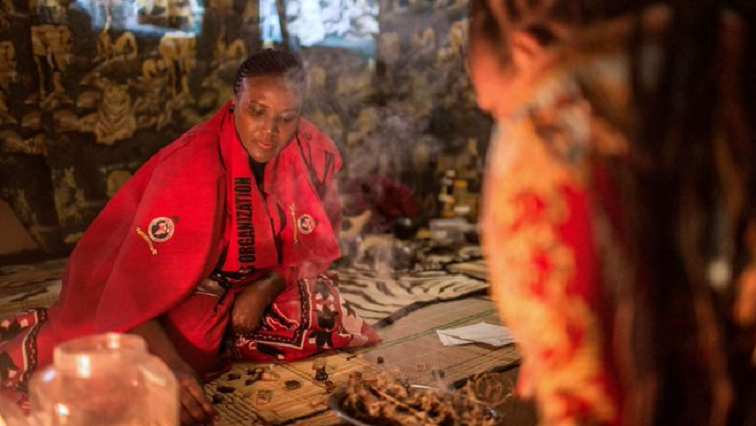
Traditional healers in the Eastern Cape argue that proposed health regulations threaten the cultural and spiritual foundations of their practices: Image Supplied
By Lijeng Moruthane: The recent proposed health regulations for practitioners registered with the Traditional Health Practitioners Council have sparked an outcry from traditional healers in the Eastern Cape, who argue that the draft guidelines undermine the cultural and spiritual foundations of their practices.
Published in June 2024, the regulations outline a series of processes that traditional healers must follow in order to register with the Council, but many in the traditional healing community say these requirements are out of step with their deeply spiritual practices.
At the heart of their concerns is the perceived westernization of the regulations, which, they claim, disregards the ancient spiritual connections with ancestors that are central to their work.
Traditional healers, who have long operated outside the framework of modern healthcare systems, argue that the new regulations impose foreign standards that are incompatible with their cultural identity and the sacred rituals that define their healing methods.
Phuthumile Fuyani, a respected traditionalist, expressed frustration over what he sees as an attempt to erode Indigenous knowledge and practices. He criticized the Department of Health (DOH) and the Traditional Health Practitioners Council for failing to engage directly with traditional healers before drafting the regulations.
Fuyani emphasized that these measures represent not only a regulatory threat but also an existential one to their sacred practices, which rely on communication with ancestors.
“The refusal of the ITP Council and the Department of Health to engage with Traditional Health Practitioners raises serious concerns about the potential for exploitation and suppression of Indigenous knowledge and practice. What the department wants is to regulate traditional medicine, but they cannot do this without capturing the knowledge holders, who are traditional healers,” Fuyani said.
In response, Foster Mohale, spokesperson for the Department of Health, defended the regulatory process, stating that the department and the Traditional Health Practitioners Council had undertaken a comprehensive consultation process.
Mohale pointed to a series of meetings, including one in East London on August 14, 2024, which involved participants from all districts of the province, as evidence of their commitment to including stakeholders in the discussion.
A national consultation with traditional healer associations was also held in Gauteng on August 19, 2024.
However, the widespread dissatisfaction among traditional healers suggests that many feel the consultations were insufficient and failed to adequately address their cultural concerns.
For them, the regulations are not just about the future of their profession but about preserving their cultural heritage and spiritual practices in the face of a system they feel is increasingly dismissive of their traditions.