Subtotal R0,00


Northern Cape/ 04 November 2024, 13:50pm/ Lijeng Moruthane
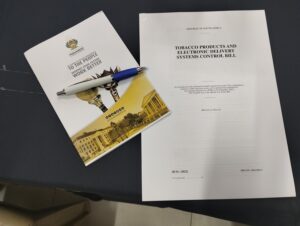
Residents of Kimberley voice their contrasting opinions on the Tobacco Products and Electronic Delivery Systems Control Bill during recent public hearings: Image Supplied
By Lijeng Moruthane: In Kimberley, Northern Cape, residents have shared a range of opinions regarding the Tobacco Products and Electronic Delivery Systems Control Bill, which was discussed during public hearings held by Parliament’s Portfolio Committee on Health that concluded yesterday.
The proposed legislation aims to prohibit the sale of cigarettes through vending machines and restrict cigarette displays at retail locations.
One supporter of the Bill remarked, “I agree with the bill. The bill is correct in terms of what they are saying about the usage of tobacco. We can see now that the youth is using it more than the elderly people, and also what I would like to say is unemployment is what’s causing cigarettes and nicotine to be used more.”
This perspective highlights concerns over youth tobacco use and links it to broader socioeconomic issues like unemployment.
However, not all residents are in favor of the legislation. One individual expressed skepticism, stating, “I do not agree with the bill because already we have existing fake food and fake alcohol in our country.
So restricting cigarettes may result in making fake cigarettes, and that might kill a lot of people or make the situation bad.” This viewpoint raises fears that the Bill could unintentionally lead to an increase in illicit cigarette production, exacerbating public health risks.
Sibongiseni Dhlomo, chairperson of the committee, reaffirmed the importance of incorporating feedback from stakeholders in their decision-making process.
He noted, “I think we are going somewhere. The importance of public participation is that we sit in Cape Town; we will be encouraged by saying this is the package of views that are coming from South Africans from all nine provinces, for those who participate and therefore we grind, and panel beat the bill based on that.”
This commitment to public engagement underscores the ongoing dialogue surrounding tobacco control and its potential impacts on communities.