Subtotal R0,00

Western Cape/ 04 November 2024, 13:25pm/ Lijeng Moruthane
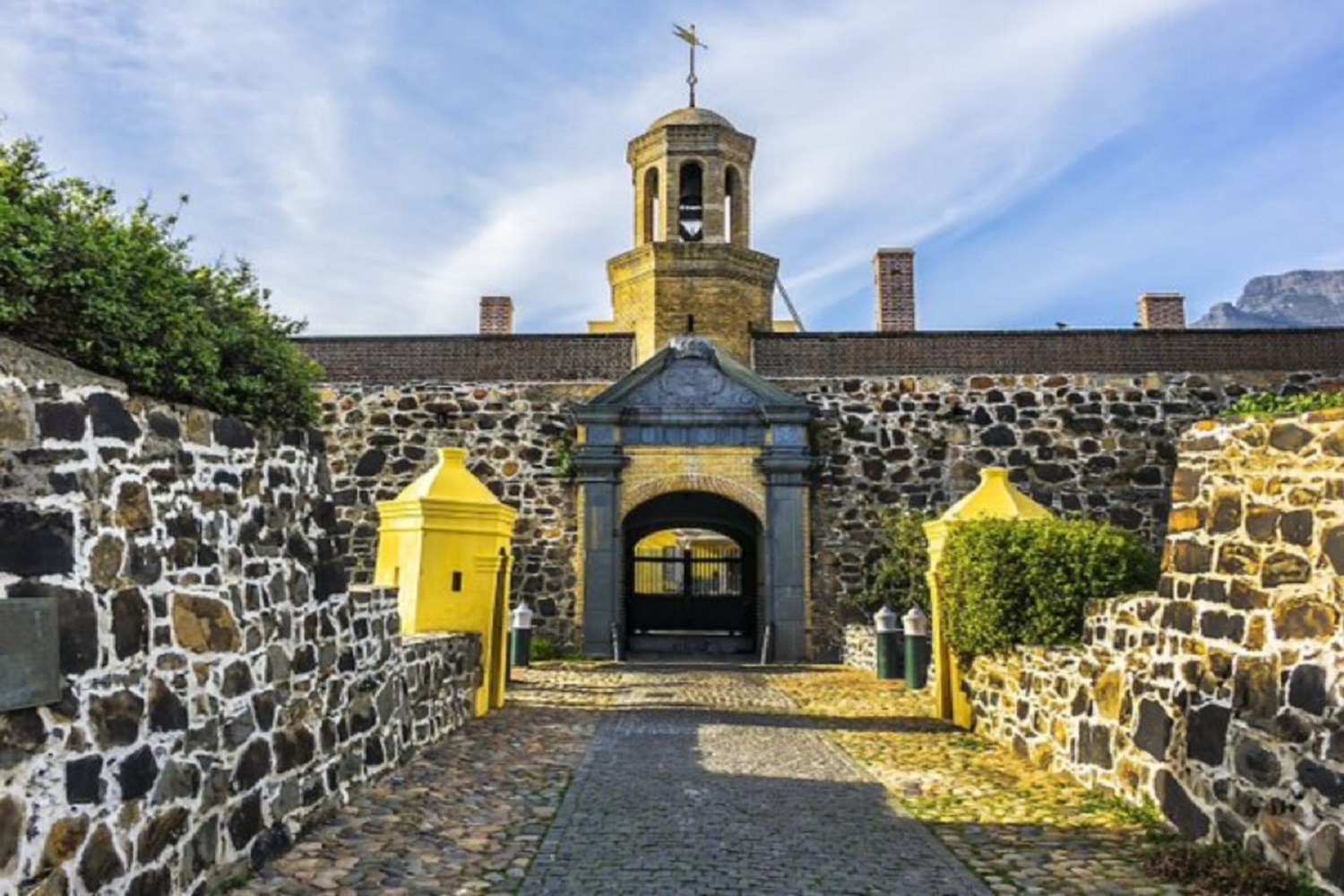
Authorities oversee the eviction of illegal occupants outside the historic Castle of Good Hope in Cape Town, raising urgent questions about urban inequality and housing solutions: Image Supplied
By Lijeng Moruthane: The recent eviction of illegal occupants near the Castle of Good Hope in Cape Town has sparked a debate on urban inequality and housing solutions.
While the chairperson of the Portfolio Committee on Human Settlements, Nocks Seabi, welcomed the action, he raised serious concerns about the persistent inequality affecting the city’s marginalized communities.
Seabi emphasized the challenges faced by these communities, stating, “We remain worried by the continued inequality in our cities, which forces the poor and marginalised to spend inordinate resources on transport to areas of economic activity.”
His comments highlight the need for a comprehensive approach to address the systemic issues that contribute to housing instability.
The City of Cape Town (CoCT) carried out the eviction with support from various authorities, describing the operation as orderly and well-coordinated. Mayor Geordin Hill-Lewis noted that the unlawful occupation had originated during the national lockdown in 2020.
He expressed relief at the eviction’s conclusion, remarking, “We are relieved it has come to an end, not only because of the Castle’s tourism and economic importance but also for the sake of the unlawful occupant.”
To mitigate the impact of the eviction, the city has extended transitional shelter options through its Safe Spaces and night shelters operated by non-governmental organizations.
“City social development professionals assisted the national Department of Public Works and Infrastructure (DPW) by documenting the personal circumstances of each of the unlawful occupants via on-site interviews,” the city reported, reflecting an effort to understand and support those affected.
Despite these efforts, Seabi underscored the necessity for long-term housing solutions that integrate communities closer to economic opportunities.
He lamented, “We have long heard of plans to increase housing opportunities in cities, yet we have not seen tangible results. Our people deserve the dignity of quality housing opportunities as promised by the Constitution.”
Hill-Lewis acknowledged the importance of accepting social assistance, stating, “No person has the right to reserve a public space as exclusively theirs, while indefinitely refusing all offers of shelter and social assistance.”
This perspective indicates a shift towards encouraging those experiencing homelessness to engage with available support services.
The city is committed to expanding its Safe Space transitional shelter program, with plans to invest over R220 million in the next three years to enhance operations beyond the current capacity of 1,070 beds located throughout the CBD, Bellville, and Durbanville.
Currently, two Safe Spaces in Culemborg offer 510 beds, with a new 300-bed facility in Green Point opened in July 2024 and additional plans for Muizenberg and other metro areas.
Each year, the city provides assistance to about 3,500 individuals through shelter placements and referrals to various social services.
The support services available include dignified shelter, access to meals, on-site social workers, personal development planning, and help with issues like substance abuse, skills training, and job placement.
This comprehensive approach seeks to address not just immediate housing needs but also the underlying factors contributing to homelessness.
In closing, Mayor Hill-Lewis expressed gratitude to Minister Dean Macpherson for his leadership, stating that his department’s role as land custodian for the Castle precinct has been crucial in navigating these complex issues.
As Cape Town grapples with the challenges of urban inequality, the recent evictions may serve as a catalyst for broader discussions on sustainable housing solutions and community integration.