Subtotal R0,00


International/ 01 November 2024, 11:10am/ Lijeng Moruthane

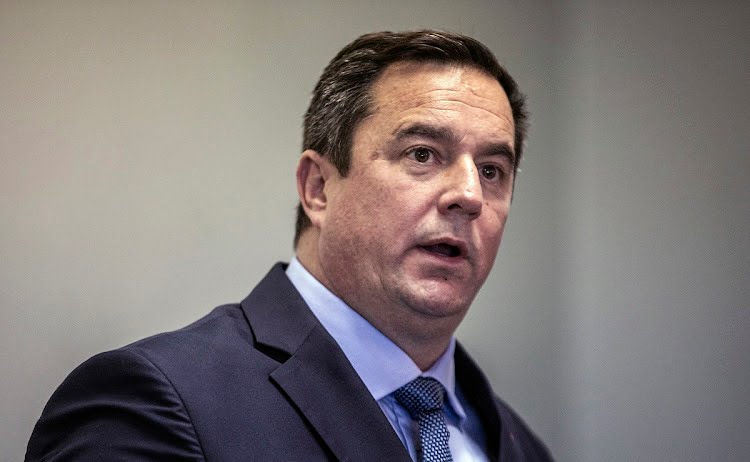
Botswana’s president Mokgweetsi Masisi said he has spoken to the leader of the UDC, Duma Boko, to arrange handing over the reigns: Image Supplied
By Lijeng Moruthane: Botswana’s political landscape shifted dramatically on Friday as President Mokgweetsi Masisi conceded defeat in the general elections, bringing an end to nearly sixty years of rule by the Botswana Democratic Party (BDP).
“I wish to congratulate the opposition on their victory and concede the election,” Masisi stated during a press conference, marking a significant moment in the country’s democratic process.
The president had already contacted Duma Boko, the leader of the left-leaning Umbrella for Democratic Change (UDC), a Harvard-educated human rights lawyer, to initiate the transition of power.
This comes as preliminary results from Wednesday’s election indicated a clear lead for the UDC in the race for parliamentary seats.
With over 22 seats reportedly won by the UDC and additional seats secured by two other opposition parties, the total surpassed 31 out of the 61 seats available, according to early counts from various counting centers.
Although the election authority has yet to confirm these results, it is apparent that the BDP failed to secure enough seats to maintain governance.
The outcome is a significant setback for the BDP and Masisi, who became president in 2018 and had been optimistic about securing a second term.
“We got it wrong big time in the eyes of the people,” he admitted, acknowledging the party’s failure to resonate with voters. “But every indication, by any measure, is that there’s no way that I can pretend that we’re going to form a government.”
Masisi expressed his commitment to a “smooth and transparent transition process ahead of inauguration” as Botswana prepares for a new political chapter.
Voter turnout was notable, with more than one million registered participants in a nation of 2.6 million, driven by pressing concerns over unemployment and allegations of mismanagement during Masisi’s administration.
The UDC’s strong showing signals a desire for change among the electorate, particularly as unemployment has reached 27% this year, compounded by an economic downturn linked to declining diamond sales.
Duma Boko, 54, who founded the UDC in 2012 to unite various opposition factions against the BDP, celebrated his party’s success. “CHANGE IS HERE,” he declared on Facebook as the results rolled in, with celebrations erupting in parts of Gaborone, the capital.
Media outlets noted the significance of this election, with the independent Mmegi newspaper reporting, “Botswana’s new dawn as Boko, UDC rise,” and highlighting the BDP’s “crushing parliamentary, council defeat.”
The UDC also achieved notable victories in local council elections, reflecting widespread public sentiment for new governance.
Voters voiced their expectations for the new government, particularly regarding employment and economic stability. “We are expecting more from this new Botswana,” said Pelontle Ditshotlo, 41, a cleaner who criticized the BDP for not fulfilling its promises. “When you are in parliament, we need to know that you listen to us, you are with us.”
Political analyst Olopeng Rabasimane emphasized the challenges ahead for the incoming administration. “The new government will need to focus on weaning the country off its diamond dependency, stabilizing the economy, and creating new jobs, especially for young people,” he remarked.