Subtotal R0,00

International News/ 23 September 2024, 16:30pm/ Staff Writer

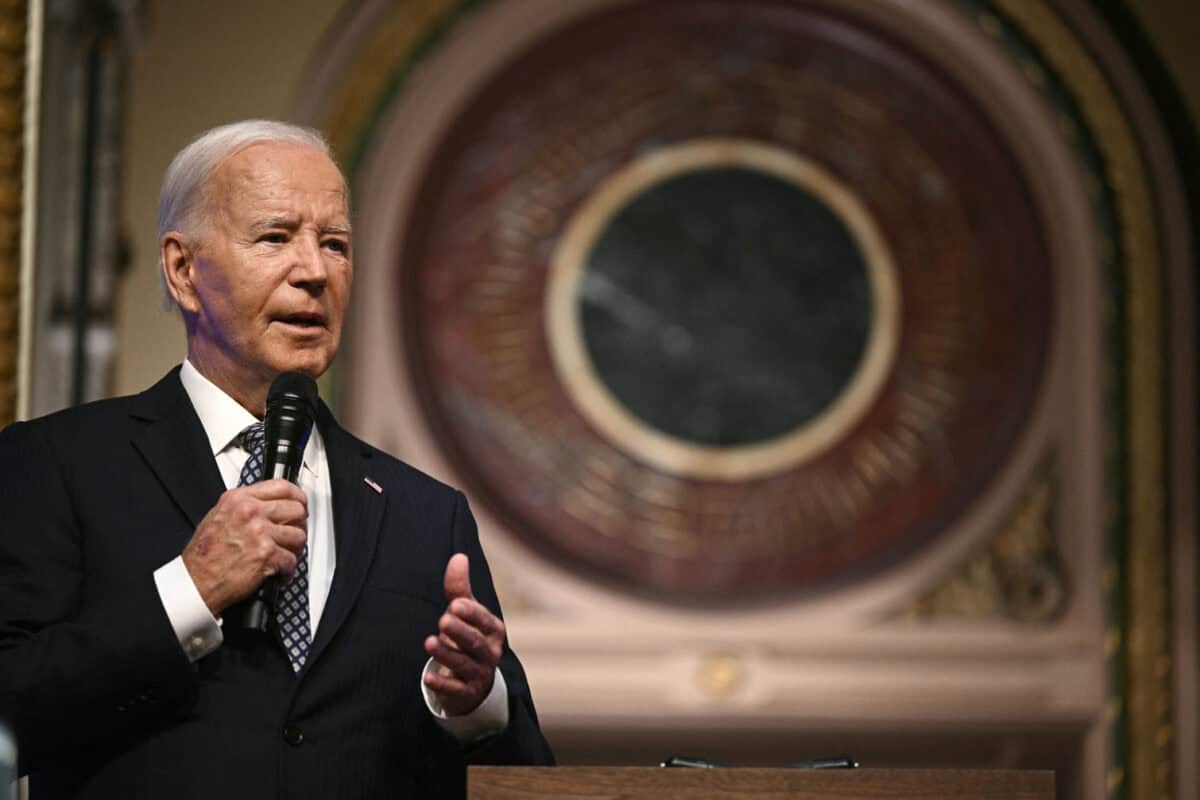
US President Joe Biden: Image Supplied
By Staff Writer: The US Commerce Department announced on Monday its intent to prohibit the sale of connected vehicles that utilize Chinese and Russian technology, citing national security concerns.
This proposed regulation aligns with President Joe Biden’s tougher stance toward China and follows a February announcement regarding investigations into the security risks associated with Chinese technology in automobiles.
Modern vehicles increasingly feature integrated electronics that allow connectivity with personal devices, other cars, US infrastructure, and manufacturers, including electric and autonomous vehicles.
The new rule targets both the software and hardware that enable these connections.
According to the Bureau of Industry and Security, “Malicious access to these systems could allow adversaries to access and collect our most sensitive data and remotely manipulate cars on American roads,” highlighting the alarming possibility of hackers gaining control over vehicles in motion.
The government has not disclosed which manufacturers or models may be affected by this rule, which will be subject to public commentary for 30 days. In anticipation of the announcement, China cautioned the US against “discriminatory actions” against its companies.
Foreign ministry spokesperson Lin Jian remarked, “China opposes the US’s broadening of the concept of national security and the discriminatory actions taken against Chinese companies and products.”
The American Automotive Policy Council, representing major industry players such as General Motors, Ford, and Stellantis, has not yet responded to inquiries from AFP.
This month, the Biden administration also implemented a 100-percent tariff on Chinese electric vehicles, along with other significant tariff increases, provoking strong reactions from Beijing.
Currently, there are no Chinese-branded vehicles sold in the US, but the issue remains regarding vehicles assembled domestically that contain Chinese parts.
A preliminary study indicated “minimal Chinese and Russian software” within local supply chains, although an official noted that the hardware supply chain is “slightly more complicated” due to a greater presence of Chinese components, suggesting the need for new suppliers.
To allow the industry time to adjust, the proposed hardware ban is not expected to take effect until 2029, while the software ban could be implemented as early as 2027.
Commerce Secretary Gina Raimondo stated, “Cars today have cameras, microphones, GPS tracking, and other technologies connected to the internet,” warning that “it doesn’t take much imagination to understand how a foreign adversary with access to this information could pose a serious risk to both our national security and the privacy of U.S. citizens.”
She emphasized that the US is taking “targeted, proactive steps to keep PRC and Russian-manufactured technologies off American roads.”
Trade policy with China is a central issue in the upcoming presidential race, featuring Republican Donald Trump against Democratic Vice President Kamala Harris.
Trump previously adopted a hardline approach to China, implementing tariffs on imports from the country, a strategy Biden has largely continued while also restricting technology exports to China, especially those with military applications.