Subtotal R0,00

National News/ 23 September 2024, 14:58pm/ Lijeng Moruthane
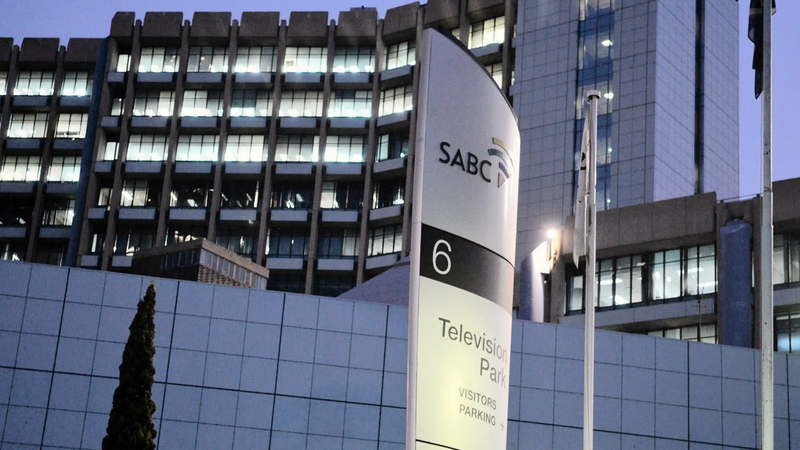
SABC calls on Sars to help enforce revenue collection from South Africans: Image Supplied
By Lijeng Moruthane: The South African Broadcasting Corporation (SABC) has reiterated its push for the introduction of a mandatory household levy, calling for support from the South African Revenue Service (SARS) and MultiChoice in enforcing the collection of these levies.
Philly Moilwa, SABC’s head of policy and regulatory affairs, made these remarks during a public hearing hosted by Parliament’s Portfolio Committee on Communications and Digital Technologies last week.
The hearing is part of the process to introduce the SABC Bill, which aims to reform the current TV licence system and establish a new funding model for the broadcaster.
Moilwa emphasized that the SABC is seeking to move away from the declining TV licence model.
“We have moved far ahead of accessing the SABC from a TV, you can access it across devices. We have identified Sars as the most effective collector for the levies, as it already does so for taxes. This can assist us in the collection,” he said.
He also suggested that MultiChoice, the dominant subscription broadcaster, could help by using its billing system to ensure compliance. “If they say that you cannot subscribe to us without having a licence, that would assist us,” he added.
The SABC has expressed frustration with the current TV licence model, citing widespread non-compliance, with only 13% of households paying their licences.
During the hearing, SABC Group CEO Nomsa Chabeli urged Parliament for immediate financial assistance, including possible government grants.
She also stressed the need for a sustainable funding model, noting that the broadcaster requires an additional R2.5 billion in the next two years.
“We want to introduce an interim measure while the bill is under development for a funding model framework. We believe that this three-year period should be expedited,” Chabeli said.
“A funding model is critical for the SABC, is a burning issue and we need to ensure there is interim viability with the bill,” she added.
Moilwa further pointed out that many European public broadcasters receive government grants and proposed a similar approach for the SABC.
“In European countries, their economy can carry the public broadcaster. With the SABC being dependent on commercial revenue, there are constraints to our ability to invest in content, which has an effect on creative industries. Government needs to provide grants from 3% to something substantial,” he concluded.