Subtotal R0,00


International News/ 18 September 2024/ 15:00pm/ Lijeng Moruthane
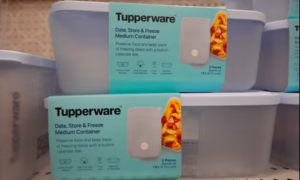
By Lijeng Moruthane: Tupperware gained widespread popularity in the 1950s when women from the post-war era began hosting “Tupperware parties” in their homes to sell the brand’s food storage containers, seeking both empowerment and independence.
Despite this early success, the company has since struggled to compete with rivals offering cheaper and more eco-friendly products.
Recently, Tupperware has raised concerns about its ability to stay afloat, repeatedly flagging potential bankruptcy risks due to liquidity issues.
“Over the last several years, the company’s financial position has been severely impacted by the challenging macroeconomic environment,” said CEO Laurie Goldman in a statement.
The company is now seeking court approval to continue selling its products while it explores the possibility of selling the business.
Tupperware has been attempting to reverse its fortunes after consecutive quarters of declining sales. Post-pandemic challenges, including rising labor, freight, and raw material costs, such as plastic resin, have added further strain to the business.
In 2022, Tupperware’s stock experienced dramatic fluctuations during the “meme stock” rallies, where retail investors, often through social media, target financially struggling companies or those with high short interest.
According to bankruptcy filings in the US Bankruptcy Court for the District of Delaware, the company reported estimated assets of $500 million to $1 billion and liabilities ranging from $1 billion to $10 billion. The number of creditors is listed between 50,001 and 100,000.
In 2023, Tupperware reached an agreement with its lenders to restructure its debt and enlisted the help of investment bank Moelis & Co to explore strategic alternatives.