Subtotal R0,00

Gauteng/ 10 September 2024, 14:5opm/ Anele Ndlovu
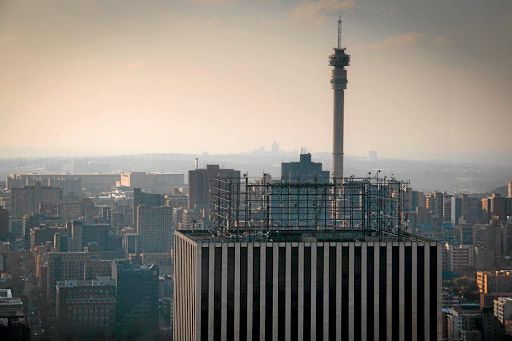
Gauteng Records Lowest Clean Air Days in SA: Image Supplied
By Anele Ndlovu: Gauteng, South Africa’s economic hub, is facing a serious air quality crisis, registering the lowest number of “clean air days” in the country.
According to a recent report by the national air quality officer, the province only had 100 clean air days in 2023, falling far behind Mpumalanga, which had between 150 to 200 clean air days despite housing 12 of Eskom’s coal-fired power stations.
Patience Gwaze, the national air quality officer, voiced concern over the worsening air quality, noting that it has “regressed” since 2017.
“The situation in Gauteng is particularly concerning,” Gwaze said, pointing to the province’s dense population, high vehicle emissions, industrial activities, and widespread waste burning as key contributors to pollution.
Although Mpumalanga’s coal dependence often draws attention, Gauteng’s air quality is also impacted by pollution carried over from neighboring provinces.
Gwaze stressed the need for improved air quality monitoring, particularly in under-monitored areas like Limpopo and the Free State, where insufficient data might distort the overall assessment.
“Monitoring stations are mainly located where air quality is expected to be poorest, which might not represent the entire province,” she explained.
To tackle these challenges, Gwaze is pushing for the expansion of priority areas for air quality management.
Currently, the Vaal Triangle airshed, Highveld, and Waterberg-Bojanala regions are designated as critical zones.
“We plan to propose extending these areas to include places like the West Rand, Tshwane, and Johannesburg,” she said.
The urgency of these measures is highlighted by the recent gazetting of regulations enforcing air quality management plans in priority areas.
Published shortly before the Supreme Court of Appeal was set to hear the “Deadly Air” case, these regulations respond to long-standing demands from environmental groups.
Ntombi Maphosa, an attorney at the Centre for Environmental Rights, commented, “Publishing these regulations was exactly what we aimed for with the case.”
The new regulations require air quality management plans to include measurable targets for emission reductions, a crucial step towards improvement.
However, Maphosa pointed out remaining challenges. “We would have liked to see a stronger focus on equipping local municipalities with more air quality officers to improve monitoring capacity,” she said.
Currently, South Africa operates 130 government air monitoring stations, with 107 in working order. Gwaze noted that many of these stations are aging and need replacing.
To help bridge the monitoring gap, privately-owned stations have been introduced in areas like Richards Bay, supporting the government’s efforts.