Subtotal R0,00

Gauteng/ 06 September 2024, 10:40am/ Lijeng Moruthane
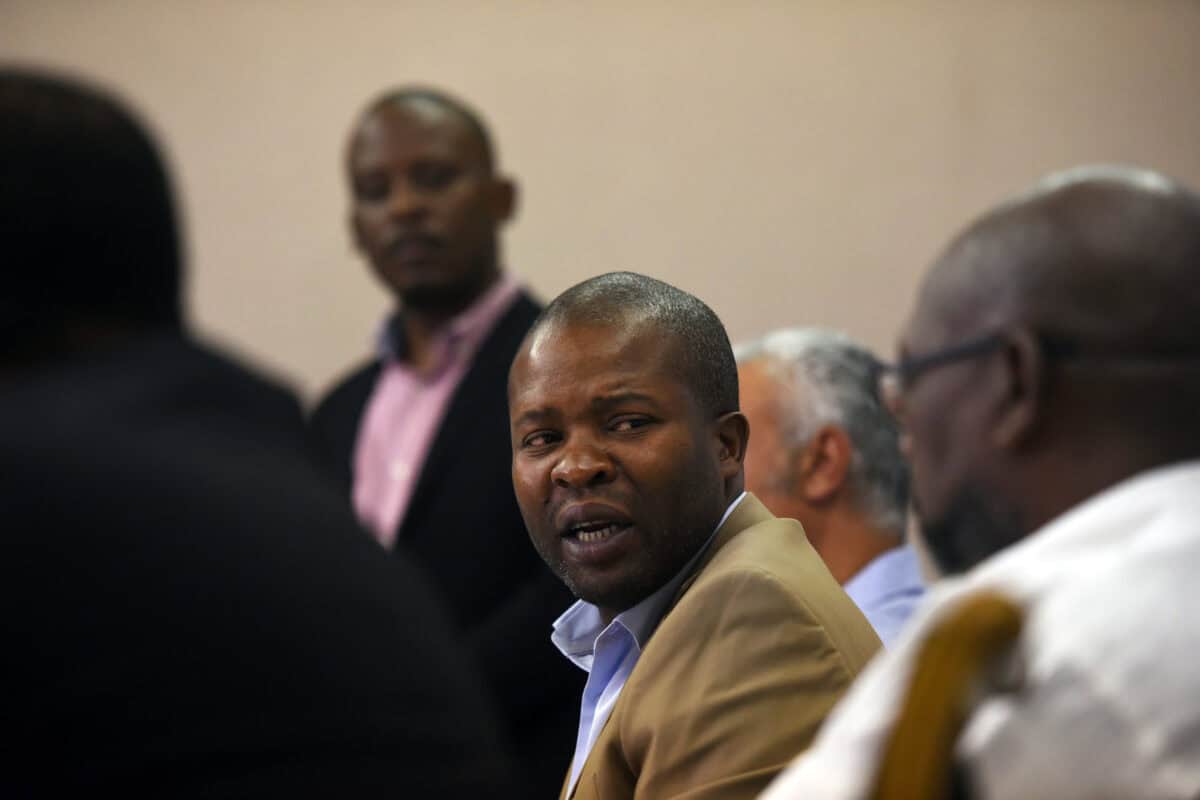
Gauteng Finance MEC Lebogang Maile: Image Supplied
By Lijeng Moruthane: Gauteng MEC for Finance, Lebogang Maile, acknowledged the 2022-23 financial year audit results recently presented by Auditor-General Tsakani Maluleke, but stressed the importance of improving fiscal management to strengthen governance and service delivery.
Maile stated that the provincial government would ramp up training for senior officials in underperforming municipalities, adding, “Compliance with legislation is not improving and remains a stumbling block toward good governance as most municipalities still do not comply with procurement legislation.”
He emphasized the need for urgent action from accounting officers, mayors, and mayoral committee members to address service delivery challenges, urging internal audit units and committees to intensify their quarterly performance assessments.
To improve accountability and audit outcomes, Maile mentioned that Gauteng Treasury had implemented monitoring measures and introduced new initiatives to enhance the credibility of financial reporting.
Of the 11 municipalities in Gauteng, only the DA-run Midvaal achieved a clean audit for the 2022-23 financial year.
Six municipalities received unqualified audit opinions with findings, while others had adverse opinions. Nationally, 34 out of 257 municipalities received clean audits, with 18 located in the Western Cape.
The Auditor-General’s report cited common issues such as poor expenditure management, unauthorised and irregular spending, procurement mismanagement, and inaccurate financial reporting.
There were also limitations in the submission of financial statements and weak consequence management.
Jongizizwe Dlabathi, chair of the SA Local Government Association Gauteng, pointed out the need to address governance challenges highlighted by the audit.
He expressed concern over the financial struggles municipalities face, stating, “We can’t dispute that municipalities are struggling financially and it’s a concern because we cannot afford a local government that fails to fulfil its mandate.”
Dlabathi also raised concerns about inadequate funding for municipalities relative to their responsibilities compared to provincial and national departments.
He stressed the importance of improving performance management and compliance with supply chain management, saying, “Poor performance management is an issue, as municipalities are often unable to report accurately on their performance.”
He added that weak internal controls, especially in supply chain management, worsened the situation, and suggested that some municipalities lacked skilled administrators capable of ensuring compliance.
During his budget vote in July, Gauteng MEC for Cooperative Governance and Traditional Affairs (Cogta), Jacob Mamabolo, announced a R77 million budget to support struggling municipalities.
On a national level, Cogta Minister Velenkosini Hlabisa is set to launch a 12-month plan to turn around municipalities.
DA Gauteng member of the standing committee on public accounts, Alan Fuchs, criticised Cogta for failing to support municipalities, blaming the collapse of service delivery and infrastructure on the department’s incompetence and lack of resources.
He argued, “Cogta has been slow in its approach. In previous years, they have lacked the skills, resources, and will to do what is required to support municipalities.”
Fuchs added that while provincial and national governments cannot directly intervene in local governance, there is an urgent need for a strategic plan to assist municipalities, as they are in “financial free fall” and struggling to invest in critical projects or pay suppliers.
Poorly executed infrastructure projects and insufficient maintenance funds were also contributing to the deterioration of communities.