Subtotal R0,00

National News/ 27 March 2024, 17:50pm/ Staff Writer
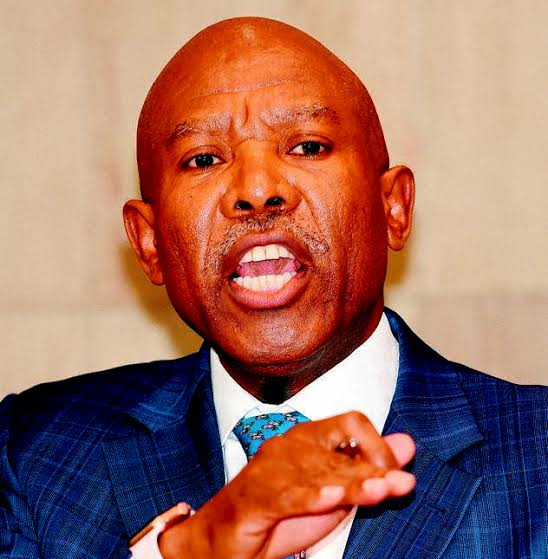
SA Reserve Bank Governor Lesetja Kganyago: Image Supplied
By Staff Writer: In a widely anticipated move, the South African Reserve Bank’s Monetary Policy Committee (MPC) opted to maintain the country’s benchmark repo rate at 8.25% for the fifth consecutive meeting. The decision, announced by SA Reserve Bank Governor Lesetja Kganyago during a presentation in Pretoria, was met with unanimous support from the committee members.
Governor Kganyago highlighted the persistent risks to South Africa’s inflation outlook, with inflation currently running above the central bank’s target range. He stated, “The return to target has been slow. We still see headline inflation heading back to 4.5%. However, given extra inflation pressure, headline now reaches the target midpoint only at the end of 2025, later than previously expected.”
The repo rate has remained at its highest level in 15 years since May of the previous year, standing at 8.25%. Kganyago noted, “During the pandemic, the rate dipped to 3.50%. Since then, the monthly payment on a new R2 million home loan (at the prime rate) has climbed from around R15,500 (7%) to almost R22,700 (11.75%).”
Consumer inflation reached 5.6% last month, well above the target midpoint of 4.5%. Kganyago expressed concerns about the inflationary pressures, stating, “The return to target has been slow.” He added, “Overall, we see growth at 1.2% this year, improving to 1.6% by 2026. These projections are better than the 2023 outcome, but below longer-run averages, which are around 2%.”
The South African economy continues to face challenges, with electricity shortages contributing to dampened economic growth. Kganyago expressed optimism that the burden of load shedding would ease in the coming years, with the Reserve Bank projecting a modest growth acceleration to 1.2% in 2024, improving to 1.6% by 2026.
Looking ahead, South Africa remains vulnerable to external economic developments, with the potential for a sell-off of the rand if global interest rates rise. The country’s economic performance is closely tied to factors such as inflation, energy supply, and global market conditions, all of which will continue to influence its monetary policy decisions in the future.