
Subtotal R0,00

Soccer /15 September 2026, 12:34pm /GoodWill Mathebula
Katleho Lechoo: Image Supplied
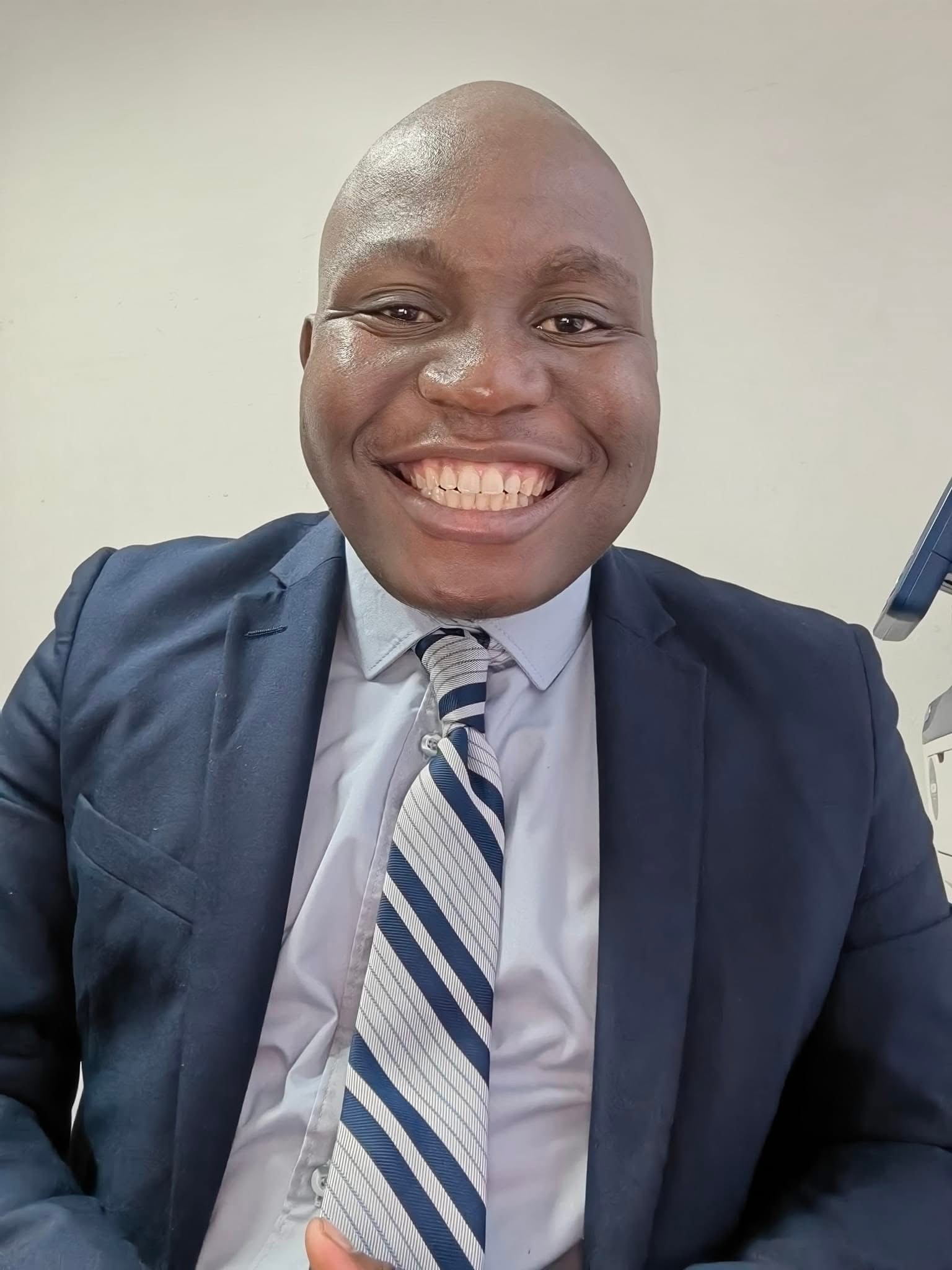
By GoodWill Mathebula: While Danny Jordaan’s fourth-term victory dominated the headlines at the South African Football Association’s Elective Congress, a quieter but deeply significant shift unfolded in the corridors of power: Katleho Lechoo was elected as the youngest member of SAFA’s new National Executive Committee.
The University Sport South Africa Football chairperson, who ran unopposed as an Associate Member representing university sport, now brings USSA back into SAFA’s primary leadership structure for the first time since 2018.
Lechoo’s election on 12 September 2026 represents more than a personal milestone. It places university football — long regarded as a critical bridge between school, amateur and professional football — directly at the decision-making table during a defining period for the national game.
Born in Viljoenskroon, a small farming town in the Free State, Lechoo has steadily built a profile in student leadership and football administration. He previously served as University of the Free State Student Representative Council president before rising to lead USSA Football.
“This is not simply a seat for me or for one institution; it is a seat for student athletes, universities, coaches and administrators who believe that talent must have a pathway,” Lechoo said after his election. “University football has the ability to develop leaders on and off the field, and I am committed to ensuring that its voice is heard clearly in the future of South African football.”
Lechoo said his priority would be connecting university sport more meaningfully with SAFA’s development structures.
“We must stop treating education and elite football as separate worlds,” he said. “A young player should never have to choose between pursuing an education and pursuing a football dream. We need systems that allow both to thrive.”
Lechoo joins an NEC led once again by SAFA president Danny Jordaan, who secured a decisive re-election victory over AmaZulu FC chairperson and businessman Sandile Zungu.
Jordaan, 75, received 157 votes at the Midrand congress, while Zungu obtained 82. The result confirms a fourth term for Jordaan, who has been at the helm of South African football’s governing body since 2013.
The association announced the outcome in a brief statement: “Dr Jordaan is re-elected as the SAFA President.”
The vote ended weeks of vigorous campaigning in what was viewed as Jordaan’s most serious leadership test in more than a decade. Zungu had campaigned on calls for improved governance, stronger accountability, enhanced grassroots and school football, and a renewed commitment to women’s football.
Jordaan’s support base, organised through the Football Transformation Forum, argued instead for experience, continuity and recognition of recent national-team achievements.
The lead-up to the congress was marked by tension. SAFA reported that delegates had faced death threats, harassment and intimidation, while allegations of vote-buying and financial inducements circulated ahead of the vote. There were also disputes about the legitimacy of certain regional structures, with some reportedly prevented from voting following disqualification decisions.
Despite the turbulent build-up, the congress proceeded under the observation of FIFA, the Confederation of African Football, COSAFA and SASCO. The Premier Soccer League, football legends and other stakeholders were also in attendance.
FIFA president Gianni Infantino and CAF president Dr Patrice Motsepe called Jordaan to congratulate him following the result, while also extending congratulations to the incoming executive members.
In his address after the election, Jordaan defended his administration’s record, particularly highlighting advances in women’s football, officiating and youth national teams.
“As far as referees are concerned, you know that when we started, you did not have a single woman referee refereeing women’s football. Now every single women’s football match is refereed by a woman to the extent that for the first time also, you have a woman refereeing matches in our highest professional league, the PSL,” the SAFA President said.
“And so you find South African women going to the World Cup, going to AFCON or WAFCON, and officiating at that level. So I want to not go on and on, but stop to say, I hope you have some idea of the last four years that this executive has worked and produced good results now that our women’s team, Banyan Banyana, is ranked number two on the African continent.
“Bafana Bafana are number 10 on the continent, our under-20s are the African champions and our under-17s played in Qatar in the World Cup. This must be seen and not be dismissed as if there’s no development in South African football.”
Jordaan said the new executive would intensify work to implement Vision 2030, with a demanding programme already awaiting SAFA.
Among the immediate priorities are the CAF Under-20 Africa Cup of Nations COSAFA qualifier in Mozambique, Bafana Bafana’s 2027 Africa Cup of Nations qualifiers against Guinea and Eritrea, preparations involving the SA Under-23 side, South Africa’s participation in the inaugural FIFA Under-15 World Cup in Azerbaijan, the FIFAe World Cup, coaching education and the Hollywoodbets Super League.
For Lechoo, the NEC appointment arrives at a time when South African football faces repeated calls to strengthen player pathways, administration, technical development and institutional accountability.
His presence offers university sport a direct platform to influence those conversations — and places significant expectations on one of the youngest figures in SAFA’s new leadership collective.
“The responsibility is enormous, but so is the opportunity,” Lechoo said. “We have to build a football system where a talented young person from Viljoenskroon, from a rural village, from a township or from any university campus can see a real path forward. That is the South African football future I want to help build.”







