
Subtotal R0,00

News/02 September 2026, 11:34am/ Mpho Mokoena
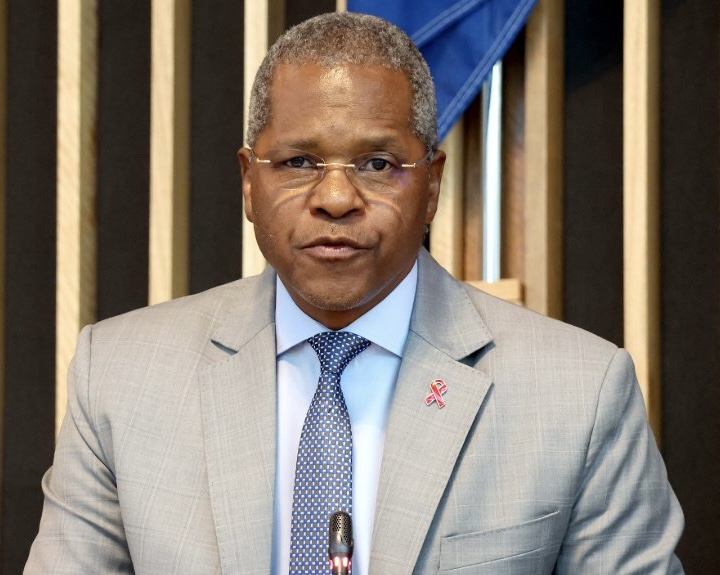
Velenkosini Hlabisa: Image Supplied
By Mpho Mokoena: National and provincial departments that repeatedly neglect municipal rates and service accounts could soon face the withholding of their own funding, in a move that signals a tougher stance against government’s mounting debt to local authorities.
The Department of Cooperative Governance and Traditional Affairs (Cogta), working with the National Treasury, is finalising a Cabinet proposal that would allow the state to invoke constitutional powers against departments that persistently fail to honour payments owed to municipalities.
The proposed intervention comes as government departments are reported to owe municipalities about R15 billion for unpaid property rates and services — a debt burden that has placed added strain on local governments already battling weak revenue collection, service-delivery backlogs and financial mismanagement.
Cogta Minister Velenkosini Hlabisa revealed the plan in a parliamentary response to IFP MP Zuzifa Buthelezi, following the National Treasury’s July decision to temporarily withhold equitable-share allocations from 69 municipalities that had not complied with financial governance and management rules.
Hlabisa said the obligation on national and provincial departments was clear.
“National and provincial departments therefore have both constitutional and statutory obligations to pay municipal property rates and municipal service accounts,” he said.
The minister said accounting officers were required to settle contractual obligations and pay money owed within agreed periods. Yet state departments have remained among the significant contributors to municipal debt, with the Department of Public Works and Infrastructure identified as a key player because of its role as custodian of state-owned properties.
Hlabisa said Cogta and Treasury were now pursuing reforms designed to ensure that all spheres of government face comparable consequences for serious or repeated financial non-compliance.
“The principal mechanism being pursued is the development of a draft Joint Cabinet Memorandum seeking Cabinet approval to invoke section 216(2) of the Constitution in respect of national and provincial departments that persistently fail to meet their financial obligations to municipalities.
“The purpose of this reform is to align accountability measures for municipalities with those for national and provincial departments when serious or persistent non-compliance with financial obligations occurs.”
Section 216(2) of the Constitution allows the National Treasury to stop the transfer of funds to an organ of state if it commits a serious or persistent breach of financial-management obligations. The measure has traditionally been associated with enforcement against municipalities, but the new proposal could extend its practical reach to departments that fail to settle accounts with local government.
Hlabisa said municipalities already had legislative authority to impose property rates and surcharges for services provided, but the proposed Cabinet intervention was aimed at ensuring departments could not evade accountability for those costs.
“The draft Joint Cabinet Memorandum is currently being finalised. Outstanding inputs have been requested from the Department of Public Works and Infrastructure, in its capacity as the custodian of state-owned properties and a significant contributor to the debt owed by organs of state to municipalities,” he added.
The prospect of financial action against delinquent departments emerges after Treasury used the same constitutional enforcement framework against municipalities in July.
Finance Minister Enoch Godongwana told Parliament that the Treasury released the withheld funding on July 31, 2026, after determining that transfers could not be withheld for more than 30 days without parliamentary approval.
“The National Treasury released funding on July 31, 2026 as the National Treasury cannot withhold the Equitable Share for more than 30 days without the necessary parliamentary approval,” he said when responding to EFF MP Omphile Maotwe.
Godongwana said the suspension of enforcement followed an assessment of the affected municipalities and continued monitoring of their compliance after the temporary withholding of transfers.
He said the municipalities were receiving support from national and provincial treasuries as they implemented corrective measures, with specific targets, milestones and deadlines set for improvement.
“Clearly defined targets and activities, milestones and timelines were communicated to the affected municipalities. The municipalities are expected to report meaningful progress by 30 September 2026.”
The July withholding was carried out in line with legislative requirements, including notification to Parliament and the South African Local Government Association of Treasury’s intention to act against non-compliant municipalities.
Hlabisa said Cogta’s current support programme was intended to help municipalities improve compliance, strengthen financial-management systems and address the weaknesses that triggered the July intervention.
“The interventions currently underway are intended to assist municipalities in resolving the issues that contributed to the July 2026 withholding decision, thereby reducing the risk of future interruptions to equitable share transfers.”
While Treasury has suspended the withholding of allocations to the affected municipalities, the government’s attention is now increasingly turning to unpaid bills within its own ranks.
Hlabisa said Cogta and Treasury were strengthening coordination to identify, verify and monitor debt owed by organs of state to municipalities — and to consider enforcement measures where departments refuse to meet their obligations.







