
Subtotal R0,00

International/13 August 2026, 09:35am/ GoodWill Mathebula

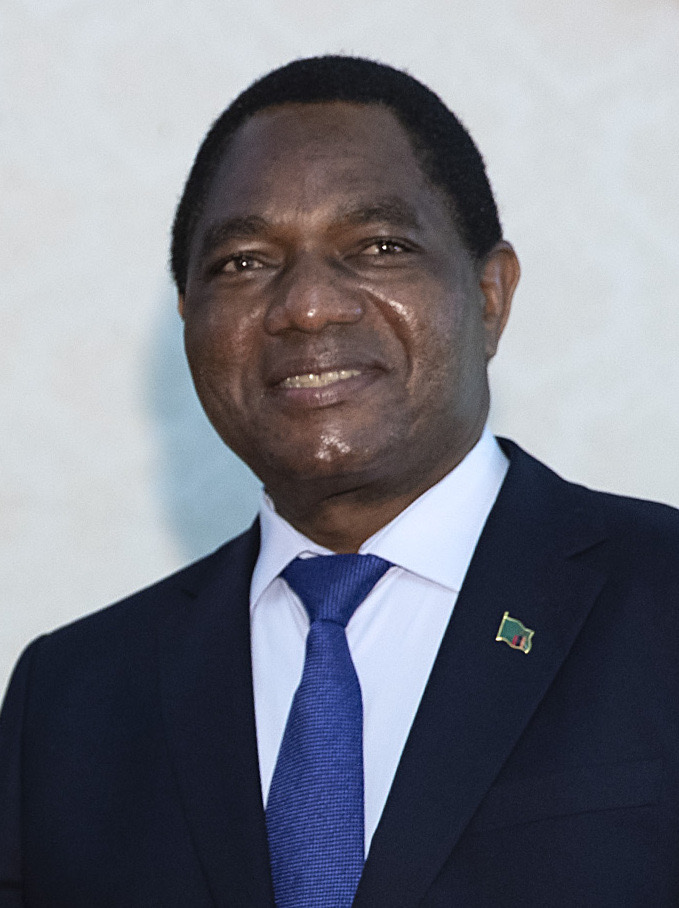
By GoodWill Mathebula: Zambia heads to the polls on Thursday in a high-stakes general election that will test whether President Hakainde Hichilema’s record of financial recovery can outweigh public anger over the rising cost of everyday life.
Hichilema, who has governed the copper-producing southern African nation since 2021, is widely seen as the favourite to secure a second term. But while his administration can point to a major debt restructuring, renewed investor confidence and falling inflation after the country’s 2020 sovereign debt default, many voters say the gains remain more visible in economic reports than in their own households.
The election will decide the presidency, parliament and local government leadership at the same time, putting Zambia’s economic direction and democratic credentials under intense scrutiny.
To win outright, a presidential candidate must secure more than 50% of votes cast. If no contender reaches that threshold, the country will hold a run-off between the two leading candidates.
Hichilema’s main opponent is Brian Mundubile, an experienced parliamentarian making his first bid for the presidency. Mundubile leads an opposition alliance supported by followers of the late former president Edgar Lungu, Hichilema’s predecessor.
The campaign has drawn large crowds on both sides, although analysts say divisions within the opposition could ultimately strengthen the ruling party’s hand.
“I am tempted to think the ruling party will carry the day despite the huge crowds we are seeing at the rallies for (Mundubile),” said historian and analyst Euston Chiputa.
“One of the serious weaknesses in the opposition camp is that it is splintered,” he said, with parliamentary and local government candidates from Mundubile’s party and those from his running mate’s party competing against each other in some places.
For investors, the expected outcome is less uncertain than the challenge that could follow it. Markets broadly anticipate a Hichilema victory, but are watching to see whether a second administration can turn Zambia’s post-default macroeconomic progress into jobs, higher incomes and more tangible improvements for citizens.
Inflation has dropped to its lowest level in years and key economic indicators have improved. Yet for many Zambians, food prices, transport costs and the struggle to find secure work remain the defining realities of daily life.
The vote is therefore shaping up not simply as a contest between political parties, but as a referendum on a central question: has Zambia’s recovery reached the people it was meant to serve?
The run-up to polling day has also been shadowed by allegations of political repression in the nation of 22 million people—claims the government has rejected.
Zambia is rated as “partly free” by US non-profit group Freedom House, which says that although there are regular multi-party elections, opposition parties face “onerous legal and practical obstacles to fair competition.”
Political science lecturer Lee Habasonda of the University of Zambia said the opposition still holds significant influence in key population centres, particularly Lusaka and Copperbelt Province, which account for large numbers of registered voters.
“The competition is still there because the opposition has support in Lusaka and Copperbelt Province, which have large numbers of registered voters,” said Lee Habasonda, a political science lecturer at the University of Zambia.
“If the opposition had rallied behind one candidate earlier, this would have been one of the toughest elections for the ruling party,” he said.
Polling stations will open from 6 a.m. to 6 p.m., according to the Electoral Commission, with results expected on Monday. Should no presidential candidate clear the 50% mark, a second-round vote must be held within 37 days.







