
Subtotal R0,00

International/ 13 August 2026, 07:56am/ Staff Writer

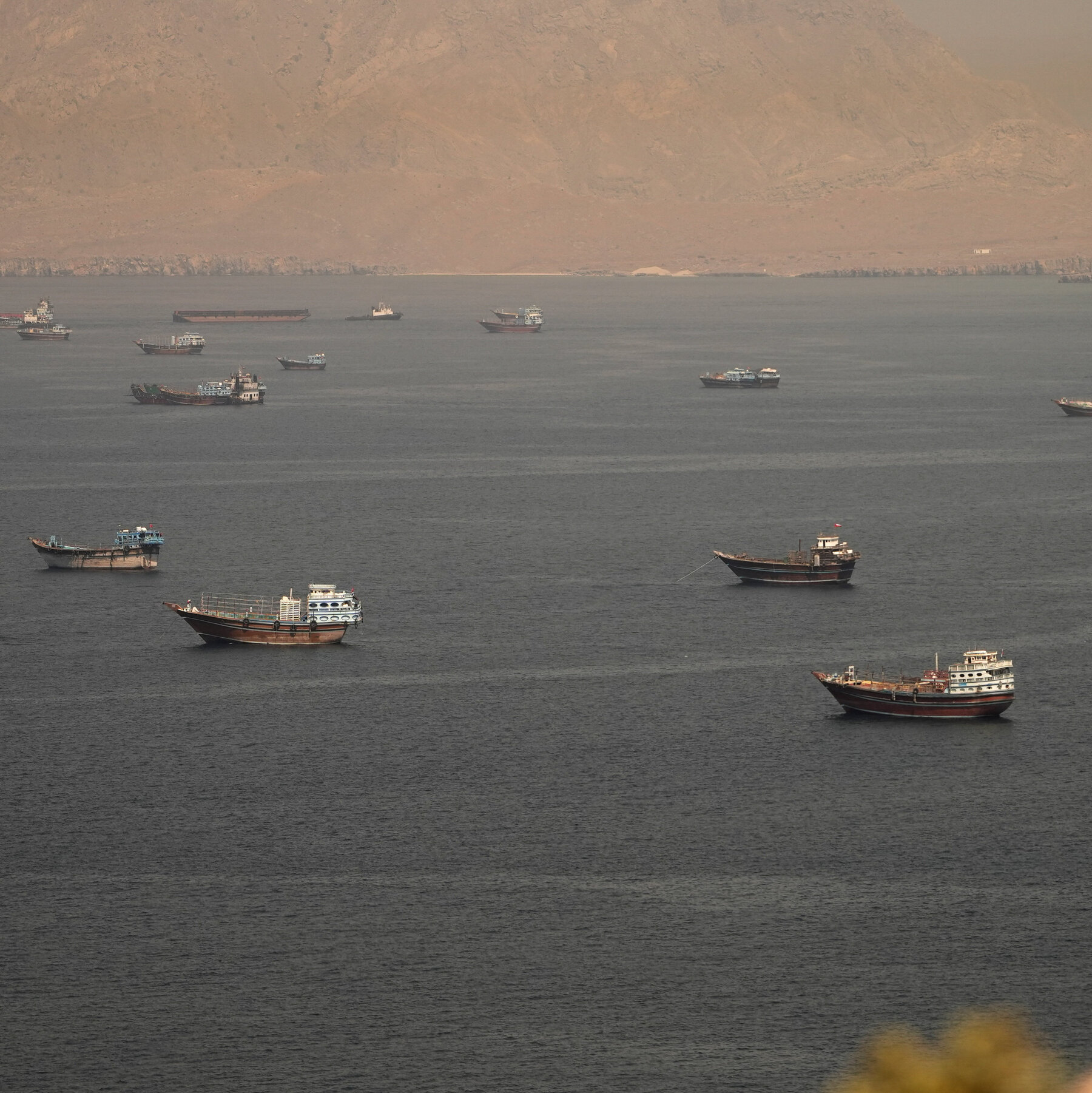
By Staff Writer: Oil prices pushed higher for a second day on Wednesday as the prolonged closure of the Strait of Hormuz kept energy traders on edge, while global stock markets delivered a mixed performance ahead of crucial US inflation data.
The market mood was shaped by a potent combination of geopolitical strain, stubborn inflation and growing uncertainty over the US Federal Reserve’s next move on interest rates.
Brent North Sea crude rose 0.6 percent to $89.40 a barrel in early trade, while West Texas Intermediate climbed 0.7 percent to $83.78. Both contracts have advanced about 14 percent in the past week as the conflict-linked disruption to one of the world’s most important shipping routes shows little sign of easing.
“Crude oil prices have surged in the last few days because the Strait of Hormuz remains effectively shut, and there are no signs of progress between the US and Iran,” wrote Forex.com’s Fawad Razaqzada.
The oil rally has raised the stakes for Wednesday’s release of the US consumer price index, a closely watched gauge of inflation that could heavily influence the Federal Reserve’s policy outlook.
Inflation has remained above the central bank’s two percent target for more than five years, with the Iran war, which began in February, adding fresh pressure through higher energy costs. A sharp rise in oil prices could complicate the Fed’s task just as signs emerge that the US labour market is losing momentum.
A report last week showed that the world’s largest economy shed more than 20,000 jobs last month, a development that suggested hiring conditions were beginning to soften. But traders fear that renewed inflationary pressure could still force policymakers to raise borrowing costs.
The Fed’s July meeting revealed a growing divide among its board members, with three officials backing an increase and dissenting from the final decision to leave rates unchanged. Investors are now betting that at least one rate rise will be announced before the end of the year, while some expect two.
There will be another jobs report and one further CPI release before the Fed’s next meeting in September, leaving markets highly sensitive to every new reading on prices, wages and employment.
The immediate focus, however, remained firmly on the Persian Gulf.
“The latest headlines around talks between Oman and Iran provided some relief, but we shouldn’t confuse talks with an actual breakthrough. Iran has come out saying that the Strait of Hormuz will remain shut until their conditions are met.”
The analyst added that the positions taken by Washington and Tehran meant “any potential deal is still some way off, meaning risks remain skewed to the upside for oil prices”.
Reports that Iran and Oman were in advanced discussions over reopening Hormuz to some maritime traffic did little to calm investors. A statement from Pakistan’s defence minister on Tuesday that the two sides were “close to some sort of arrangement” briefly encouraged hopes of a diplomatic breakthrough, but that optimism faded as the day progressed.
Washington and Tehran have both made demands for compensation following the five-month war, hardening their positions and making a wider agreement appear increasingly difficult.
Tensions also escalated after the US military said a US helicopter fired missiles into the engine room of a Panama-flagged cargo vessel that had tried to breach the American blockade of Iranian ports.
Asian equities reflected the uncertain backdrop. Seoul stood out with another strong rally, as the Kospi gained more than three percent, led by chipmakers SK hynix and Samsung. The companies had been among the hardest hit during July’s technology-driven sell-off.
The rebound was also supported by strong earnings from US artificial-intelligence companies CoreWeave and Super Micro Computer, helping ease concerns that the long-running AI investment boom may be failing to generate adequate returns.
Tokyo, Shanghai, Taipei, Manila and Jakarta also edged higher. But Hong Kong, Sydney, Singapore and Wellington fell as investors weighed the prospect of higher global borrowing costs against the increasingly volatile energy outlook.
At about 4:10am South African time, Tokyo’s Nikkei 225 was up 0.1 percent at 67,002.60, while Shanghai’s Composite Index rose 0.1 percent to 3,939.29. Hong Kong’s Hang Seng Index dropped 1.1 percent to 25,375.72.
On currency markets, the dollar gained modestly against the yen, trading at 159.35 yen from 159.27 yen on Tuesday. The euro slipped to $1.1539, while sterling dipped to $1.3505.
Wall Street had closed lower overnight, with the Dow down 0.3 percent at 53,791.85. London’s FTSE 100 lost 0.2 percent to finish at 10,844.19.
For traders, the calculation is becoming clearer: the longer the Strait of Hormuz remains constrained, the greater the risk that energy-driven inflation will force the Federal Reserve into a more aggressive stance — even as the US economy shows signs of slowing.







