
Subtotal R0,00

News/15 July 2026, 04:55am/ Linda Mgomezulu

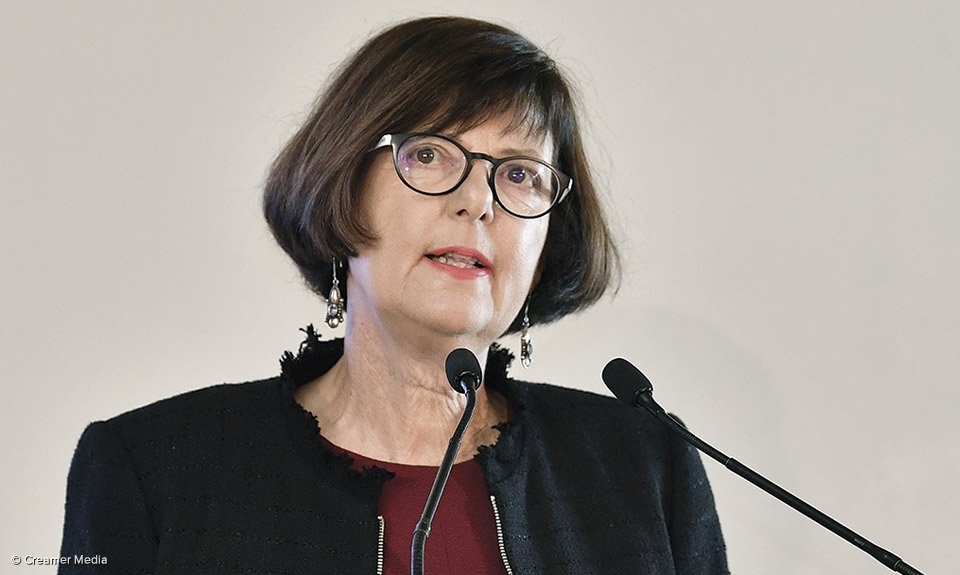
Barbara Creecy: Image Supplied
By Linda Mgomezulu: South African motorists may soon find themselves paying more just to keep their vehicles on the road, as government weighs a controversial new charge tied to licence renewals and first-time registrations to prop up the embattled Road Accident Fund (RAF).
In a fresh sign that the state is searching for ways to rescue one of its most troubled entities, Minister of Transport Barbara Creecy confirmed that officials are reconsidering how the RAF is funded. At the centre of the debate is a possible mandatory vehicle-linked fee — a move likely to ignite public anger at a time when households are already under severe financial strain.
For years, the RAF has relied largely on the fuel levy collected on petrol and diesel. But with the rise of electric vehicles, which use the roads without contributing through fuel purchases, government appears to be shifting its thinking toward a system that would spread the cost across all motorists, regardless of what powers their cars.
“The Department of Transport, in collaboration with the Road Accident Fund (RAF), has initiated a structured review of the RAF funding framework, guided by a formal business case. Once this process is completed, it will be communicated publicly,” Creecy said.
Yet the proposal is colliding head-on with a deeper public frustration: why should struggling citizens be asked to pay more for an institution long dogged by scandal, allegations of corruption, poor governance and financial mismanagement?
Opposition parties and labour groups say that is the real issue.
The Democratic Alliance (DA) has come out strongly against the idea, arguing that motorists are not to blame for the RAF’s financial collapse.
“The RAF is not in crisis because motorists are not paying enough. The RAF is in crisis because years of mismanagement, corruption, waste and poor governance have left it financially crippled. South Africans should not be forced to foot the bill for the government’s failures,” the party said.
The DA also pointed to the fact that drivers already contribute every time they fill up.
“The DA has consistently argued that the RAF has become an unsustainable burden on taxpayers and motorists. Every litre of fuel purchased already includes a levy that funds the RAF”.
That criticism is likely to resonate with many South Africans, particularly as living costs continue to rise. Any extra payment attached to annual licensing could be seen not as a policy adjustment, but as another blow to already overstretched households.
Unions have echoed that concern. The Public Servants Association (PSA) warned that adding a compulsory charge now would be both unfair and poorly timed, especially for workers battling stagnant wages, rising fuel prices and electricity tariff hikes.
“At a time when South Africans, and public servants in particular, are grappling with rising living costs, increasing fuel prices, electricity tariff hikes and stagnant wages, any additional tax burden will be insensitive and unjustifiable. The introduction of another compulsory tax will place an additional financial burden on public servants.”
The union was even more direct in its broader criticism of the fund’s administration.
“RAF cannot expect citizens to carry the financial consequences of its inability to manage public funds effectively. Citizens should not be punished for the RAF’s failure to uphold the principles of good governance, accountability, and responsible financial management”.
Fueling the outrage is the RAF’s own spending history, which has repeatedly raised red flags. Members of Parliament’s Standing Committee on Public Accounts (SCOPA) were recently left stunned by reports that the fund spent R48,300 on what appeared to be a single bucket hat from Dzinge Productions.
Spokesperson McIntosh Polela insisted the invoice was misleading, saying that although it reflected one hat, it in fact covered multiple units.
Still, the revelation added to a growing picture of an institution under intense scrutiny for how it handles public money.
According to previous reports the Road Accident Fund (RAF) pulls in more than R48 billion from the fuel levy annually, but despite that massive inflow, thousands of road crash victims are still waiting for their payouts. Its financial position is dire: the fund reportedly owes more than R518 billion while holding assets of only R33 billion.
Last year, parliamentary hearings and audit findings placed the RAF under the spotlight over questionable spending, including millions of rand on communications, staff bonuses and other expenses. The Auditor-General also flagged irregular, fruitless and wasteful expenditure.







