
Subtotal R0,00

News/27 June 2026, 11:34am/ Mpho Mokoena
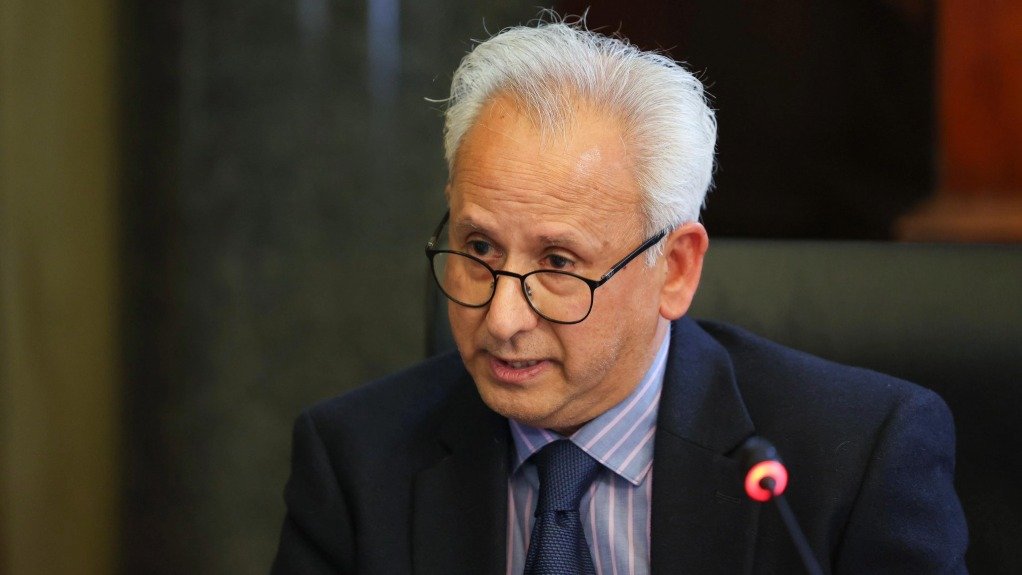
Firoz Cachalia: Image Supplied
By Mpho Mokoena: With South Africa preparing for nationwide anti-undocumented immigration protests on June 30, Acting Minister of Police Firoz Cachalia has come out swinging, rejecting claims that the demonstrations are meant to protect ordinary citizens and warning instead that they threaten to deepen harm across the country.
Speaking at Friday’s Inter-Ministerial Committee (IMC) on Migration briefing in Pretoria, Cachalia shifted the debate away from protest organisers’ stated motives and toward what government sees as the real fallout: instability, financial strain, threats to lives, and damage to South Africa’s standing.
At the centre of his remarks was a firm message — the state will not treat the planned action as harmless political expression if it turns disruptive or violent.
“There’s a narrative out there propagated by those who are organising this reckless and disruptive behaviour that they are acting in the interests of our citizens, in the interests of our people,” he said.
“In fact, their behaviour has economic, financial, human, and diplomatic costs, as we heard from Minister Lamola. Indeed, they are acting in a way that harms our citizens’ well-being and our national interests”.
The protests, expected to involve groups including March and March and Operation Dudula and others, are being organised against undocumented immigration. But from government’s perspective, the issue is no longer only about migration — it is about national security, public order, and the cost of containing unrest.
Cachalia said the government is obliged to protect residents, enforce the law, and keep the country secure, and confirmed that a special policing operation has already been activated ahead of the demonstrations. Around R600 million has been allocated for the response, a figure that covers extra police deployments and the safeguarding of critical infrastructure.
The size of that bill became one of the sharpest points in his criticism: while organisers cast their mobilisation as a public cause, government argues the public will be left carrying the burden.
“So those who are involved in organising this disruptive behaviour accompanied by violence, we have heard that there have been fatalities, will have to pay the costs of both their criminal actions, and they will also be held civilly liable,” he added..
“I do not know if many of them are aware that they can be held civilly liable for any injury or damage to property that is the result of their efforts at incitement. So, what we’re experiencing is not costless. And that must become part of the national conversation”.
In a further warning, Cachalia said those linked to violence and incitement could face not only criminal charges but also civil claims for injury, death, or damage caused during the unrest.







