
Subtotal R0,00

Eastern Cape/23 June 2026, 15:34pm/ Sipho Gumede

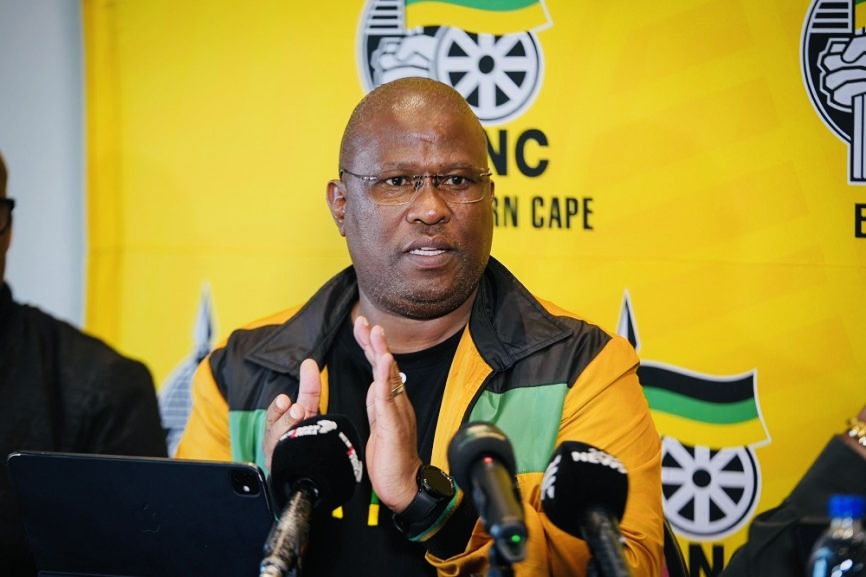
Oscar Mabuyane: Image Supplied
By Sipho Gumede: In a stinging legal and political setback for Eastern Cape Premier Oscar Mabuyane, the Eastern Cape High Court has dismissed with costs his bid to silence Economic Freedom Fighters (EFF) leader Julius Malema over explosive claims tied to the University of Fort Hare master’s degree controversy.
The ruling, delivered in KuGompo City, has handed the EFF fresh ammunition in its long-running attack on Mabuyane, while once again dragging questions around political power, academic integrity and public accountability into the national spotlight.
Mabuyane had asked the court to declare Malema’s remarks false, unlawful and defamatory, arguing that the statements had damaged his reputation. He also wanted an interdict barring Malema from making any further comments on the issue.
But the court refused.
In the wake of the judgment, the EFF moved swiftly to frame the outcome not simply as a legal win, but as a powerful endorsement of Malema’s public stance.
“The Court’s judgment goes far beyond merely dismissing Oscar Mabuyane’s application with costs. Judge Eksteen expressly found that while President Julius Malema’s statements were prima facie defamatory, the defence of truth and public interest had been successfully established,” the party said.
At the heart of the matter is Mabuyane’s academic record and his connection to a master’s programme at the University of Fort Hare, an institution already under intense scrutiny amid allegations of admissions irregularities and broader governance failures.
Mabuyane has maintained that he does not hold a master’s degree and has never claimed to possess one. However, court papers show that although he had been admitted to the programme, he was later deregistered after failing to meet enrolment requirements. That deregistration is itself the subject of separate legal proceedings, which remain before the courts.
What makes the latest ruling especially politically potent is the court’s apparent acceptance, according to the EFF, that serious underlying concerns could not simply be brushed aside as campaign rhetoric or personal attack.
Julius Malema: Image Supplied
According to the EFF, the court found that forensic findings contained in the Horizon Report into the University of Fort Hare admissions scandal remained materially uncontested and that the “substantial truth” of the allegations raised by Malema had been established on a balance of probabilities.
The party said the court also took account of forensic probes into Mabuyane’s registration, his later deregistration, and ongoing investigations by law enforcement authorities as well as the Special Investigating Unit.
For the EFF, that meant the court had effectively rejected any attempt to isolate Mabuyane’s academic admission from the wider cloud of alleged institutional abuse.
The party argued that the judgment rejected attempts to separate questions surrounding Mabuyane’s admission and participation in the programme from broader allegations of academic fraud and abuse of institutional processes.
In one of the most politically charged aspects of the ruling, the EFF said the court underscored the public’s right to scrutinise those in power, particularly during an election period.
“Judge Eksteen specifically held that, particularly in an election year, South Africans have a real interest in statements that question the integrity and conduct of public office bearers entrusted with the responsibility of governing the people,” the EFF said.
That finding strikes at the heart of a recurring tension in South African politics: when does robust public criticism cross the line into defamation, and when is it protected because it serves the public interest?
The EFF believes the court answered that question decisively.
“In dismissing Mabuyane’s attempt to obtain an interdict, the Court held that public representatives have no right to protection from lawful criticism, especially within the political arena where accountability to the public is paramount,” the party said.
The judgment now leaves Mabuyane facing not only a legal defeat, but a damaging renewal of public focus on the Fort Hare controversy and the unresolved questions surrounding his academic journey.
Sensing the political moment, the EFF has cast the ruling as part of a broader fight against the abuse of public institutions and vowed not to let the matter fade.
“The EFF will continue to demand accountability from Oscar Mabuyane and all those implicated in wrongdoing at the University of Fort Hare. We reiterate our call for the finalisation of all investigations into the awarding of qualifications at the institution and for decisive action against all those found to have abused public institutions for personal advancement,” the party said.







