
Subtotal R0,00

News/20 June 2026, 12:20pm/ Mpho Mokoena
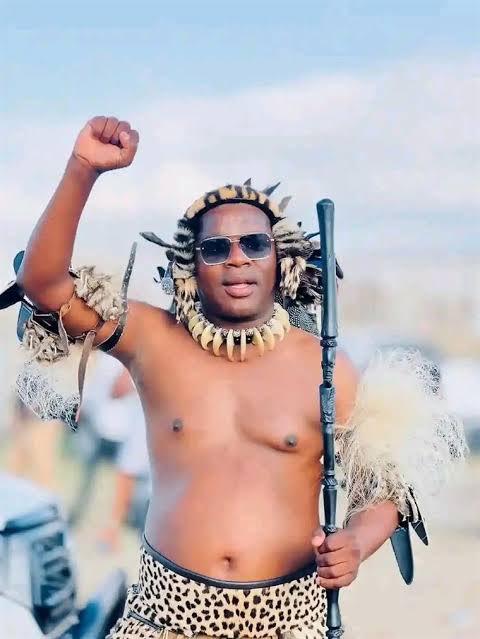
Ngizwe Mchunu: Image Supplied
By Mpho Mokoena: In a ruling likely to echo far beyond the courtroom, the Johannesburg High Court has come down firmly against controversial media personality Ngizwe Mchunu, finding that his 2025 statements and published content crossed the line into hate speech, harassment and unfair discrimination against the LGBTQ community.
The equality court on Friday found that statements and content Mchunu published in 2025 amounted to hate speech, harassment and unfair discrimination against the LGBTQ community.
The judgment marks a significant moment in South Africa’s ongoing struggle to defend constitutional rights and protect vulnerable communities from harmful public rhetoric. It is also being seen as a clear signal that courts are prepared to act decisively when speech targets people on the basis of identity.
The South African Human Rights Commission (SAHRC) swiftly welcomed the ruling, describing it as an important victory for equality and human dignity.
In a wide-ranging order, the court directed Mchunu to issue a public apology, pay R250 000 towards organisations promoting equality, and cover the legal costs of the complainants. The court also permanently barred him from publishing discriminatory content or taking part in demonstrations that discriminate against LGBTQ people.
For rights advocates, the ruling is more than a legal reprimand — it is a public reaffirmation of the principles at the heart of South Africa’s democracy.
The commission said the ruling supports South Africa’s constitutional values of dignity, equality and freedom from judgement.
SAHRC spokesperson Wisani Baloyi underscored the weight of the decision, saying “the commission welcomes this outcome as a strong affirmation that hate speech and discrimination conduct particularly against vulnerable and historically marginalized communities will not be tolerated in South Africa’s constitutional democracy.”







