
Subtotal R0,00

Gauteng/28 May 2026, 08:34am/ Linda Mgomezulu

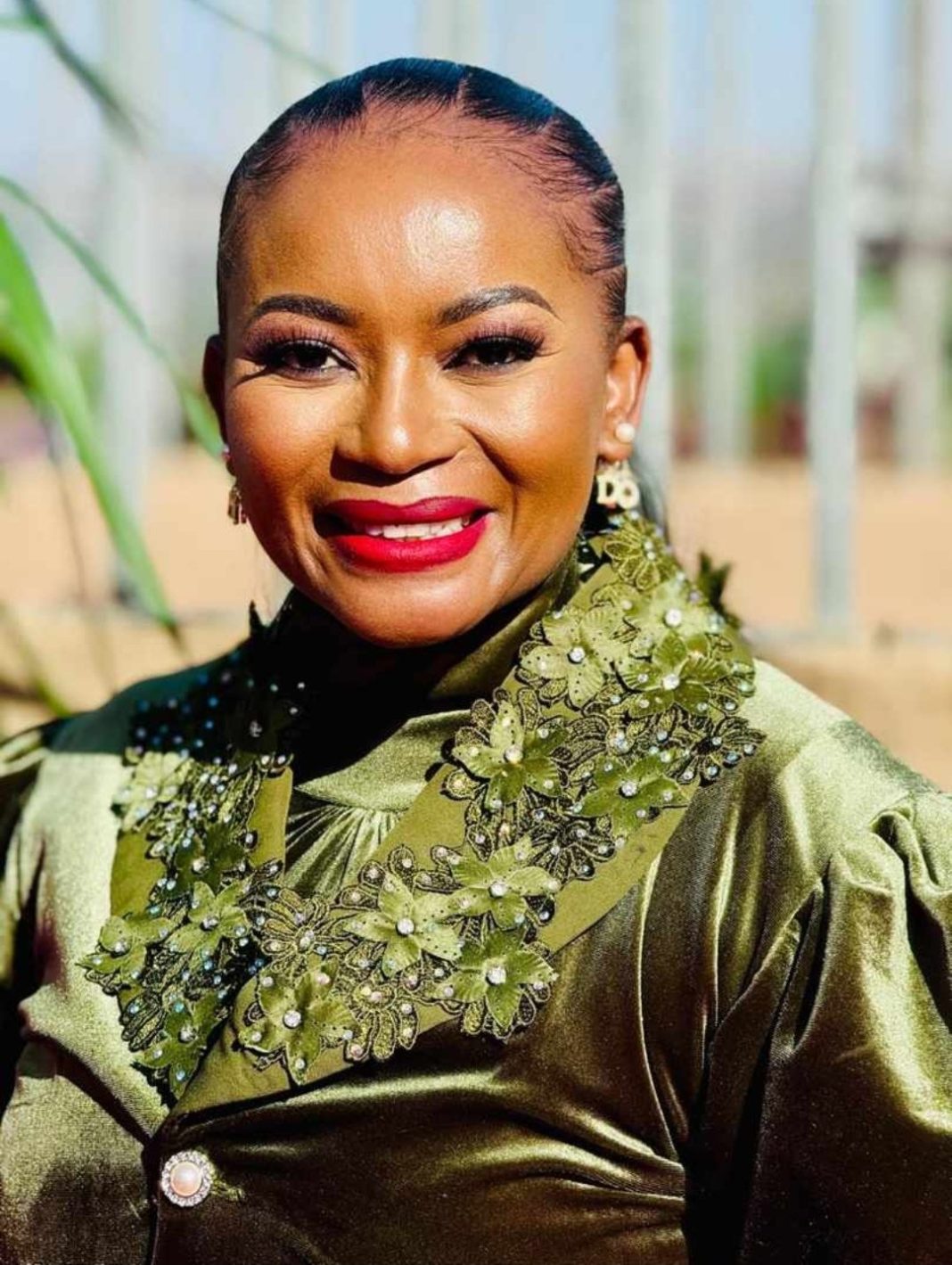
Loyiso Masuku: Image Supplied
By Linda Mgomezulu: Johannesburg residents are being asked to dig deeper from July as the City tables a budget that promises financial discipline, infrastructure rescue and institutional reform — but also delivers steep tariff increases at a time when households are already under pressure.
Finance MMC Loyiso Masuku presented the City’s 2026/27 budget against a difficult backdrop: ageing pipes, unstable electricity networks, mounting debt to bulk suppliers, a shrinking revenue collection rate, and a multibillion-rand infrastructure backlog that dwarfs the money available to fix it.
The budget sets operational expenditure at R88.3 billion, covering the City’s day-to-day running costs, including salaries. But the most politically sensitive feature is the burden now heading toward residents and ratepayers: water, sanitation, electricity, refuse removal and property rates are all going up.
The City has allocated R8.8 billion for capital expenditure in the next financial year — money intended for infrastructure and development — but that figure sits uneasily beside an infrastructure renewal backlog of more than R185 billion across Johannesburg Water, City Power and the Johannesburg Roads Agency. Masuku also placed the broader combined infrastructure backlog at more than R220 billion.
It is a budget that reads less like a spending plan and more like a rescue note: pay creditors, patch failing systems, chase revenue, attract investors, and hope that reform moves faster than decay.
Masuku did not shy away from the criticism recently levelled at the City by Finance Minister Enoch Godongwana, who wrote a scathing letter to Executive Mayor Dada Morero earlier this month. In it, Godongwana raised alarms over an unfunded budget, an illegal salary deal and declining revenue collection.
But Masuku pushed back against the idea that Johannesburg is beyond saving.
“Johannesburg is not a failed city, it is a city under pressure. Service coverage remains significant: 99.3% of residents have access to water, 96% enjoy access to dignified sanitation, 92% have access to electricity, and 87% are serviced by our refuse removal services. These numbers reflect the deliberate efforts of successive ANC administrations since 1996 to improve the lives of residents and to expand services in an inclusive and transformative way,” she said.
Still, the MMC conceded that access on paper does not always translate into reliable service in daily life.
“A household may be connected to water, but if pipes burst repeatedly, dignity is interrupted. A home connected to electricity still suffers if the network is unstable. A road still exists even when potholes make it dangerous. That is why infrastructure, maintenance, revenue recovery and institutional reform are at the centre of this budget,” she added.
From July, Johannesburg households will feel the budget directly on their municipal bills.
Water: Tariffs will increase by 12.5%, driven largely by Rand Water’s 11% bulk purchase cost increase. Combined water and wastewater revenue is projected at R21.5 billion. The first 6 kl per month remains free; usage above 6 kl and up to 10 kl will be charged at R33.57/kl, while consumption above 50 kl will be charged at R100.40/kl.
Sanitation: Charges will rise by 11%.
Electricity: Residents will face an 8.63% increase. City Power’s proposed overall average tariff increase is 9.01%, aligned with Eskom’s bulk cost increase approved by NERSA, but the City says limiting the increase for residential customers brings the effective average household increase down to 8.63%.
Refuse removal: Pikitup tariffs will rise by 6.2%.
Property rates: Rates will increase by 3.6%.
For residents already frustrated by outages, leaks, billing disputes and potholes, the tariff hikes are likely to sting. But Masuku framed the increases as part of a painful balancing act: the City must keep basic services running while also paying what it owes to major suppliers such as Eskom and Rand Water.
“Creditor settlements impose a direct constraint on new capital investment. Every rand allocated to creditor repayments is unavailable for new infrastructure. This is the right trade-off: unresolved obligations would damage the City’s credit standing, risk supply interruptions and undermine investor confidence. Some communities will not see new capital investment in 2026/27 because the City is honouring obligations that protect the systems that serve them daily. That is a difficult, but honest, message,” she said.
That message may be honest, but it is unlikely to be popular. In practical terms, it means some areas may continue waiting for upgrades while the City prioritises keeping the existing system alive and avoiding deeper financial instability.
Masuku said the City’s financial recovery cannot depend only on collecting more money from residents. She announced a turnaround framework built around six recovery pillars: financial recovery, revenue enhancement, expenditure containment, creditor and liquidity reform, governance and compliance, and labour stability.
“It requires simultaneous action on expenditure control, trading services reform, audit remediation, entity stabilisation, capital discipline, labour-management stability and stronger oversight,” she said.
The City’s three core trading services — City Power, Johannesburg Water and Pikitup — were identified as central to the turnaround effort. According to Masuku, these entities have been weakened by split accountability, declining revenue collection, insufficient capital investment, governance failures and institutional fatigue.
The numbers are stark. Non-revenue water losses stand at 44.7%, meaning nearly half of the water in the system is not generating income due to leaks, theft, metering failures or billing weaknesses. Electricity losses sit at 27%, another major blow to the City’s finances.
“No honest budget speech can avoid these facts. Johannesburg cannot budget its way out of a R220 billion infrastructure backlog through municipal resources alone. We must fund what is urgent, protect what is essential, leverage what is possible, and partner where our own resources fall short.
“For us to achieve the above, we must manage every cent diligently and ensure accountability across all levels. We must exercise, in word and practice, a zero-tolerance approach to corruption and maladministration,” she said.
The R8.8 billion capital budget is therefore being positioned not as a complete solution, but as a foundation for broader funding. Nearly 40% of that capital budget — R3.5 billion — will come from loans, underlining how dependent Johannesburg has become on external financing to repair and expand infrastructure.
“The combined infrastructure renewal backlog across Johannesburg Water, City Power and the Johannesburg Roads Agency (JRA) exceeds R185 billion. Without meaningful institutional reform, capital investment alone cannot achieve sustainable service delivery,” she said.
Masuku argued that Johannesburg must look beyond traditional municipal funding if it is to close the gap. The City is pointing to a mix of development finance, partnerships, private investment and climate-linked funding as part of the solution.
“The scale of our infrastructure challenges requires innovative funding models. This budget supports alternative funding through multilateral development banks, development finance institutions, commercial banks, national grants, provincial partnerships, public-private partnerships, land value capture, climate finance, infrastructure funds, waste-to-energy partnerships and private sector co-investment,” she said.
Among the investment projects highlighted are R27 billion in foreign direct investment, the R5.4 billion Microsoft data centre, a R7 billion waste-to-energy partnership and the R760 million Midrand Bulk Water Storage Facility.
Masuku said these projects are proof that the City still has the ability to attract major capital — but she also warned that confidence is fragile and depends on results.
“These investments show that Johannesburg is still investable. But investor confidence survives on implementation – on stable governance, reliable water, electricity stability and governance stability. A city does not attract investment by wishing for it. It attracts investment by adhering to the highest standards of good governance, stability, predictability and, finally, consistent improvements to infrastructure,” Masuku said.







