
Subtotal R0,00

News/18 May 2026, 09:50am/ Linda Mgomezulu
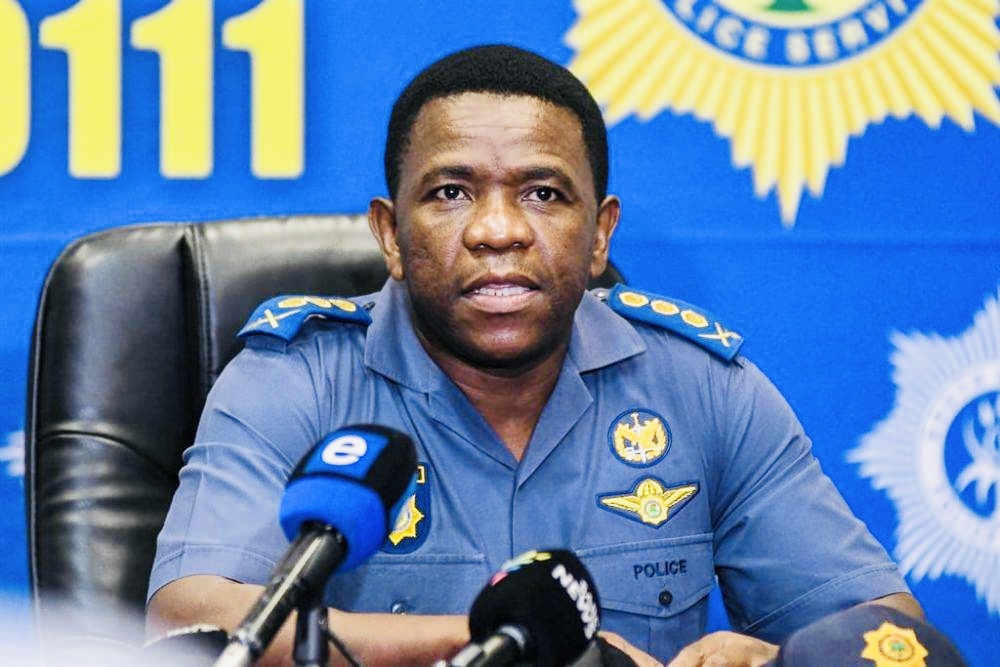
Nhlanhla Mkhwanazi: Image Supplied
By Linda Mgomezulu: A fierce wave of social media speculation was shut down on Monday after the Independent Directorate Against Corruption (IDAC) firmly denied claims that it had issued a J50 warrant of arrest for KwaZulu-Natal police commissioner Lieutenant-General Nhlanhla Mkhwanazi.
The denial comes after online reports alleged that the anti-corruption body had moved to arrest the outspoken top cop. But IDAC has now made it plain that the claims are baseless, describing them as “false”.
The agency said it had taken note of widespread rumours and repeated enquiries suggesting that it had a J50 warrant ready for Mkhwanazi. In a sharply worded response, the directorate left no room for doubt.
“This information is false and dismissed with the contempt it deserves.”
The statement, delivered by IDAC spokesperson Henry Mamothame, suggested that the false claims were not merely careless gossip but part of a wider effort to undermine both the institution and the man at the centre of the storm.
“These rumours are clearly started to disrupt and distract the work of IDAC, as well as the responsibilities that Gen Mkhwanazi is discharging in the fight against crime,” said Mamothame.
He also urged South Africans to think twice before accepting social media claims as fact.
“Members of society are urged to be vigilant against false information circulated in social media platforms, aimed at destabilising and discrediting law enforcement in the country.”
The dramatic rumour may have collapsed under official scrutiny, but it once again places Mkhwanazi at the centre of the national conversation — a familiar position for a police commissioner whose name has become synonymous with controversy, confrontation and high-stakes policing.
Mkhwanazi is widely seen as a hardline officer with a reputation for toughness and a style that has often thrust him into the spotlight. He joined the South African Police Service in 1993 as a student constable at just 20 years old, beginning his career in public order policing.
Over the years, he rose through the ranks of the service. In 2005, he was appointed head of the Special Task Force, an elite unit tasked with specialised operations and linked to high-level policing capacity, including the National Air Wing and the National Intervention Unit. By 2011, he had become component head of specialised operations at major-general rank, and later that year he was appointed acting national police commissioner by former president Jacob Zuma after Bheki Cele’s suspension.
In December 2018, Mkhwanazi was appointed KwaZulu-Natal police commissioner by Cele, a role he still occupies today. Although his contract expired on March 30, 2026, it has since been extended for another five years by the now-suspended national police commissioner, General Masemola. Mkhwanazi has previously said his move to KwaZulu-Natal was voluntary and not financially motivated.
His latest brush with the spotlight comes against the backdrop of an already explosive chapter in South African policing.
On July 6, 2025, Mkhwanazi delivered a media briefing that reverberated across the country, alleging corruption, political interference and institutional capture inside the South African Police Service. During that briefing, he implicated several senior figures, including police minister Senzo Mchunu, who is currently on special leave, and suspended deputy national commissioner for crime detection Lieutenant-General Shadrack Sibiya.
At the heart of Mkhwanazi’s claims was his repeated insistence that Mchunu had been “captured” to write the December 2024 disbandment letter of the Political Killings Task Team, a move that triggered intense scrutiny and political fallout.
President Cyril Ramaphosa later told Parliament’s Ad Hoc Committee that he had not approved the disbandment of the Political Killings Task Team and that he was dissatisfied he had not been consulted beforehand. In written responses, Ramaphosa said the decision had been taken by Mchunu and should have fallen under the authority of the now-suspended national police commissioner, General Fannie Masemola.
The president said he was informed of the development on or about February 1, 2025, when Masemola indicated that Mchunu had instructed that the unit be disbanded. Ramaphosa further said Masemola had made it clear he disagreed with the decision.







