
Subtotal R0,00

Free State/18 March 2026, 13:09pm/ GoodWill Mathebula
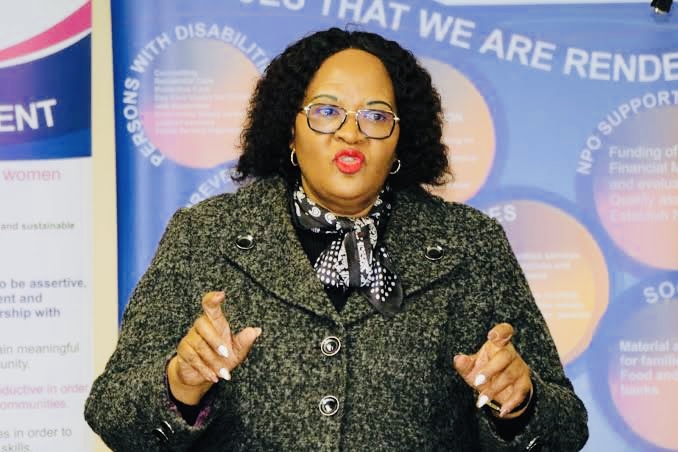
Free State MEC for Social Development Mathabo Hlalele: Image Supplied
By GoodWill Mathebula: The sentencing of Vuyisane Makeleni to 20 years’ imprisonment has brought a measure of relief to a deeply shaken community, but the Free State Department of Social Development says the case has also exposed a far broader and more urgent concern — the operation of unregistered early childhood development centres that leave children vulnerable to harm.
Makeleni was sentenced after pleading guilty to the rape of a three-year-old child at a crèche in Phase 6, in a case that has horrified residents and reignited calls for stronger protection of children in places meant to provide care, safety and nurturing.
While the court’s ruling has been welcomed, provincial authorities say the sentence must not mark the end of public attention, but rather the beginning of more determined action to protect children.
Free State MEC for Social Development Mathabo Hlalele described the incident as both heartbreaking and intolerable, saying the abuse of a child in a childcare environment represents a grave betrayal of trust.
“This is a deeply disturbing and heartbreaking incident. The violation of a child in a place that is meant to provide care and safety is unacceptable. We strongly condemn this act of brutality and call for continued vigilance in protecting our children,” said Hlalele.
The MEC said the sentence was an important legal outcome and a necessary step toward justice for the young victim and her family, but emphasised that the matter had also laid bare serious systemic failures. Chief among these, she said, was the existence of an illegally operating crèche at the centre of the case.
“This sentence is a step towards righteousness and justice for the young victim and her family, but justice in court must now be matched by action in communities. We cannot allow unregistered centres to operate in the shadows while our children are exposed to danger,” Hlalele said.
According to the department, the crèche where the incident occurred was found to be operating illegally, prompting renewed concern over whether all centres caring for children are complying with required legal and safety standards.
Hlalele said the case should serve as a wake-up call not only for authorities, but also for communities and parents who entrust such facilities with the care of their children every day.
“A place of care must never become a place of trauma. Every facility caring for children must comply fully with legal and safety norms and standards. We are sending a clear message that the protection of children cannot be negotiable,” she said.
Hlalele further stressed that crimes against children must be met with the strongest possible legal response, adding that acts of such brutality have no place in society.
“Such crimes have no place in society and must be met with the full might of the law,” she said.
Beyond the court judgment, the Department of Social Development said it remains focused on the wellbeing of the child and her family, who continue to deal with the trauma of the incident.
The department has committed to ongoing psychosocial support, including trauma counselling, emotional support and family intervention services aimed at helping them recover.
“We pledge our full support to the child and her family during this difficult time. Our social workers will continue to provide psychosocial support and family counselling to ensure healing and recovery,” Hlalele said.
The MEC said the department’s role extends beyond public condemnation and legal accountability, and includes ensuring that victims and their families receive sustained care in the aftermath of abuse.
“Our responsibility does not end with condemnation. It extends to restoring dignity, supporting healing, and standing with affected families for as long as they need us,” she said.
Hlalele also called on communities across the Free State to take a more active role in reporting abuse and alerting authorities to suspicious or unregistered centres.
She said child protection could not rest solely with government departments, but required cooperation from residents, parents and community structures.
“Communities are the first line of defence. If you see abuse, neglect, or an illegally operating centre, report it. Silence can never be allowed to shield those who harm children,” she said.







