
Subtotal R0,00

Western Cape/ 09 March 2026, 09:21am/ GoodWill Mathebula
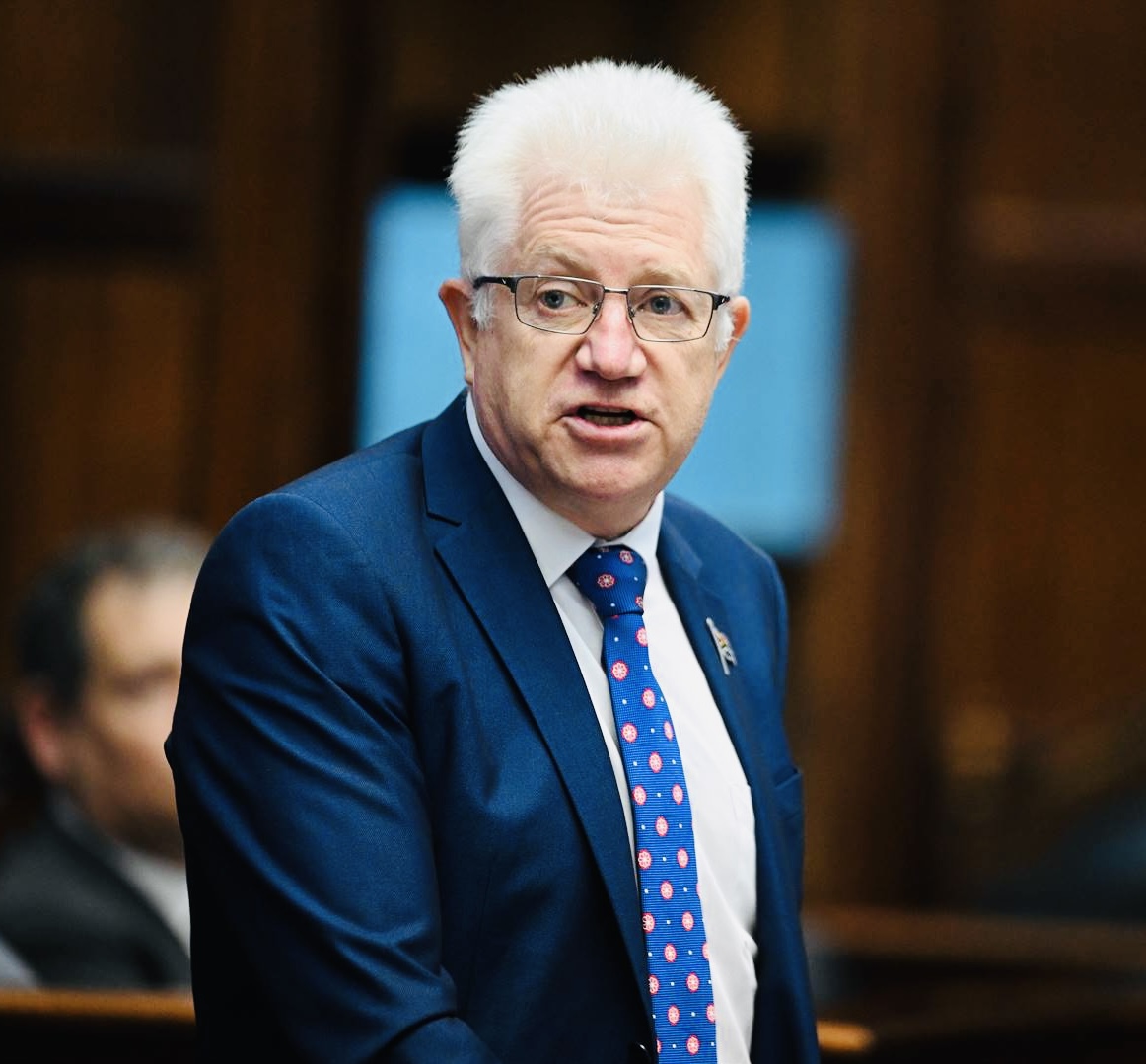
Alan Winde: Image Supplied
By GoodWill Mathebula: The Western Cape’s worsening water picture is no longer just a warning on paper — it is fast becoming a province-wide test of planning, protection and political urgency.
Premier Alan Winde has called on municipalities across the province to press ahead with installing and maintaining critical water infrastructure as dam levels continue to slide and pressure mounts in vulnerable towns and cities. But beyond the familiar drought narrative, the latest developments point to a broader struggle: not simply to save water, but to safeguard the systems that deliver it.
Provincial dam levels have now dropped to 58%, while Cape Town metro dams are sitting at 66% — their lowest levels in years. The City of Cape Town has warned that, if current water consumption patterns continue, storage could fall to as low as 40% by May, raising fresh concern over how long reserves can comfortably hold.
Nowhere is the danger more immediate than in Knysna, where a severe water crisis has kept the town under a local state of disaster since March. Although management interventions have slightly lifted storage levels, the area still faces the looming threat of “Day Zero” — a phrase that has once again entered public conversation with unsettling force.
With several municipalities battling similar pressures, Winde has shifted the focus firmly onto long-term resilience, arguing that water security will depend not only on conservation but on stronger infrastructure and better oversight.
“We are preparing for three years of drier summers and longer summers and that means we have got to mitigate this risk. That means long-term investments and making sure that we getting the right management into the right areas.”
His remarks suggest a province bracing for more than a single dry spell. Instead, officials are increasingly planning for a harsher climate pattern in which water shortages may become a recurring reality rather than an exceptional event.
At the same time, Winde has sharply criticised acts of vandalism and theft targeting crucial water installations, warning that such crimes are sabotaging already strained communities. He said those responsible would be brought to book.







