
Subtotal R0,00

Disclaimer: The opinions expressed within the following content are solely the authors and do not reflect the opinions and beliefs of the Insider Chronicle or its affiliates.
Opinion Piece/25 February 2026, 20:49pm/ Thabang Mokoka
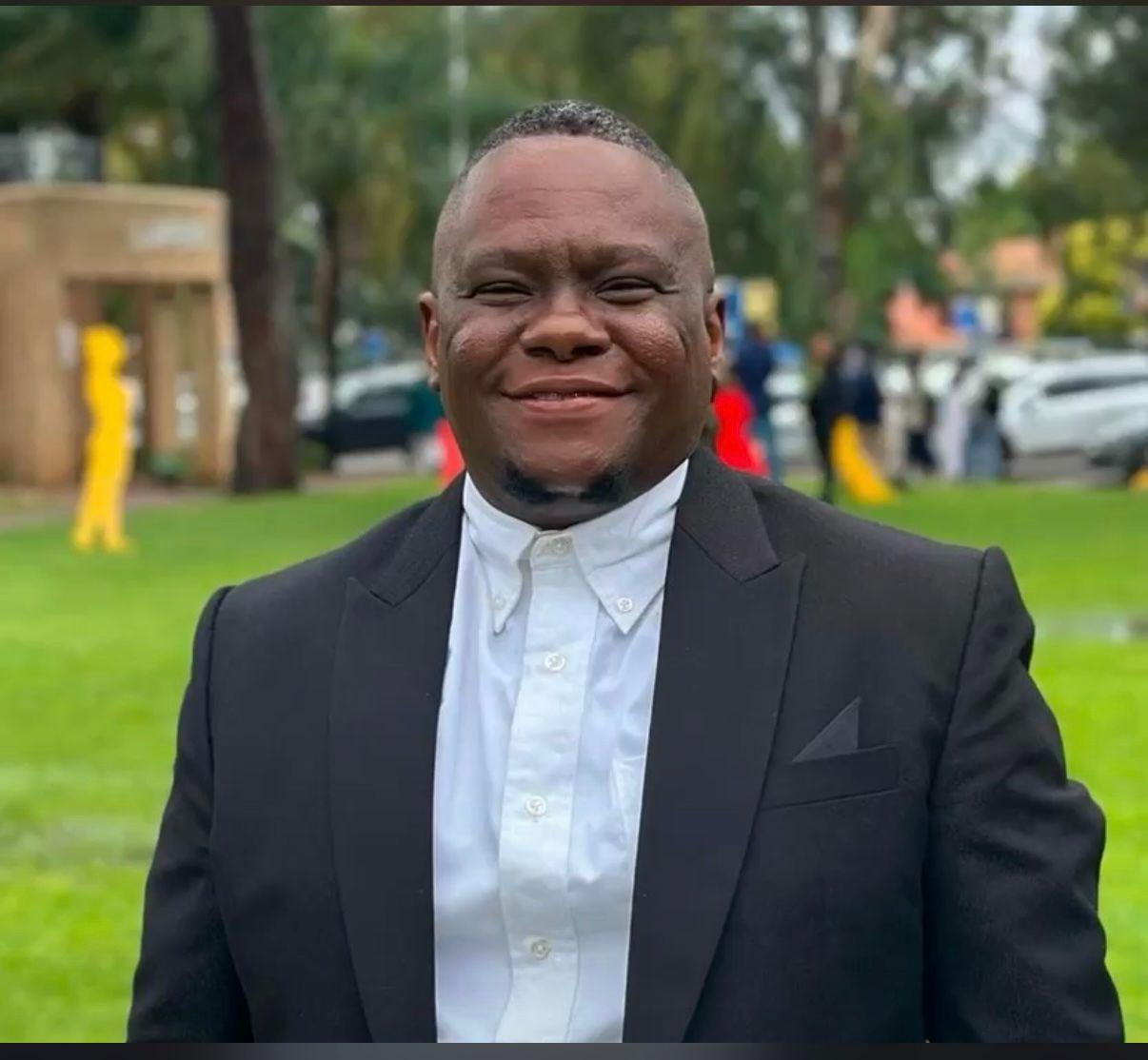
Thabang Mokoka: Image Supplied
By Thabang Mokoka: There is a classical movie Con Air. The first take starts with anold plane flying over Nevada, full of really bad guys from prison. Cameron Poe is one of them, but he’s different. He’s got a picture of his daughter, whom he never even met. He killed a guy years ago, but it was to protect his pregnant wife from some drunk in a bar.
The court said manslaughter anyway, and he did his time. Inside, he took care of his cellmate Baby-O, who had diabetes, through all those boring years. He wrote letters home that his family got, even if distance made it hard.
Then the hijacking happens. Cyrus Grissom, they call him The Virus, takes over with his crew. Guards die, blood everywhere on the plane. Poe ends up trying to stop the chaos, even though he’s still a convict. Down on the ground, guys like Vince Larkin watch it all go wrong, knowing not everyone on that plane is pure evil. Poe is more like the good guy stuck in the middle.
It makes you think about how prison transports mix everyone together. Like Billy Bedlam, who killed without caring, and Poe, who was just defending his family. They sit next to each other, wear the same clothes, breathe the same air. When they get out, society does the same thing. We look at the record and assume they are all the same. No second chances, just exile forever.
Just imagine, as life generally has no formula, getting released after ten years. You walk out with a plastic bag, a toothbrush, some letters saying you are good now, and clothes that are worn out or not up to date with the current fad. No more sirens or locks.
The road ahead feels empty. Freedom hits different, not like those happy songs about it. It’s quite scary. People on the street grab their bags tighter when you pass. You see the look, like you are marked for life. You did the classes, anger management, and learned a skill or two. Who knows, even a PhD for that matter. Paid what you owed to the victims, but for some odd reason, the stigma keeps costing you.
Society likes locking people up, easy to forget them. However, bringing them back is messy. The government says prisons fix people, turn them around and not just store the bad ones. Yet when a guy who committed a crime, financially or otherwise, as an example gets a big job managing public money, everyone freaks out. Like prison should curse you forever, and therefore concluding there is no coming back.
What is prison really for, though? If it’s just punishment, fine, be mean about it. But our own rules say it’s about fixing and keeping society safe. So maybe there is room for redemption that is possible. Denying jobs because of old crimes pushes people right back to crime.
Social commentator Tshediso Mangope, reflecting on a similar area of topic, posed a rhetorical question that cuts to the bone stating, “What happens when a naked person offers you a shirt?” He suggests that those who moralise the loudest about this appointment are themselves unclothed in virtue, throwing stones from glass houses.
But hold on, that’s not the whole story. The other side makes sense too, even if it’s uncomfortable. For purposes of illustration, picture a woman, a member of the “Purple Gang”attacked badly in the most gruesome Gender-Based Violence and Femicide way by some guy.
She has suffers with both emotional and visible scars. The perpetrator is found guilty and locked up in jail for years. During his incarceration, he doesrehabilitation programmes, is well-behaved and finally released.
He now integrates into society, knocks on various doors or fillsnecessary documentation for a job opportunity, to which he qualifies and is given an offer. Here is the catch! He declared his crime, and records were sourced from the correctional department, including his parole officer giving a thumbs-up.
Salt-and-pepper he is! Clean-shaven, a faint whisper of cologne trailing his path as a man reformed, polished, presentable with a phantom of polished presence. As the manager, he interacts with his staff, an almost exclusively female team, with an impeccable, almost fragile respect.
Does the right to work, to rehabilitation, trump the right of those women to a safe and secure working environment? Do we not owe a duty of care to the living, breathing employees who must sit in meetings with him, who must take instructions from him, who must endure the psychological terror of his proximity?
In the movie, there is Johnny 23, the rapist with all those victims. When he gets loose in Vegas, around women and kids, no one wants him reformed. It’s just dread. Some people can’t be trusted near the weak ones. The government putting him in charge would be helping the next crime happen.
This ties into real laws, like the Public Service Act. It talks about balancing rights on one’s person’s dignity, and a job shouldn’tdestroy another safety. The rules say employees need integrityand high ethics. But how good is a workplace full of scared people wasting time on fear instead of work?
Not all crimes are the same. Fraud is money stuff, not violence however mixing them up is equally completely wrong. Some crimes change you forever for certain jobs. The fraud guy might be good at admin, the violent one claims he’s changed; however, the system is a tough animal.
Section 14 of the Public Service Act, in the interest of the public, deals with conditions of employment, but the spirit of the law, and indeed the entire constitutional edifice, is built on a balance of rights.
One person’s right to dignity and work cannot automatically annihilate another’s right to freedom from harm, from fear, and o a workplace free of psychological violence.
The vetting processes within the public service are possibly inconsistent and equally dynamic, requiring adopted governance processes and framework that will not be exposed wide open.
Poe in the movie fights the bad inmates and eventually kills one to save order in the plane; however, when authorities found Bedford’s body, one of the most dangerous men on the plane,their first instinct was to suspect him first. But then Baby-O took the bullet meant for Poe when he sacrificed himself for his friend, to which the system had no category for that kind of love. It only had handcuffs, warrants and the assumption of guilt.
So, where does this leave us? There are many questions to ask ourselves, both ethically and morally. Should we build a society on the lie of redemption if we block every door on the way back in? On the other hand, should we build a professional public service on the blind hope that everyone who claims to be reformed is?
The answer is definitely not one blanket approach, but to be brutally honest and robust, a reflection of implementing the adopted assessment systems that are risk-based, inclusive, but not limited to credit checks, lifestyle audits, and independent verification of employment history.
This should not be just a tick-box exercise by a compromised HR official. In fact, my view is that it should be processed right through an executive structure for approval upon satisfying themselves of the candidate as per risk exposure standards adopted.
For roles involving vulnerable groups, the scrutiny must be exponentially higher, inclusive of continuous psychological evaluations and, crucially, we need to involve the very people who will be managed by these individuals. This is where ethics becomes tangible. It is not just a document in a regulation; it is the mechanism of control we put in place to protect the vulnerable.
Poe eventually gets home, holds his kid, the system lets him be normal, but on that plane, he looked like the rest and was part of the rest at that moment. That’s the scary part of letting out, you don’t know if it’s a person or a monster till later.
As a reminder of the wisdom as echoed by Mangope, we must be wary of the naked man offering us a shirt, and equally, weought to be wary of the man who burned down a house,demanding we trust him with matches.
A catch twenty-two! The question isn’t whether to forgive or not, but how to manage the second chance so it doesn’t become a second betrayal. Because at the end of the movie, the bad guys get caught… but Garland Greene, the killer, slips away laughing in a casino.
The system immediately failed, letting him vanish into the neon. Itmakes you pounder, with every new hire, who just walked in the door and if their laugh is the last thing you will hear.
Thabang Mokoka writes in his personal capacity







