
Subtotal R0,00

News/21 February 2026, 08:45am/Linda Mgomezulu
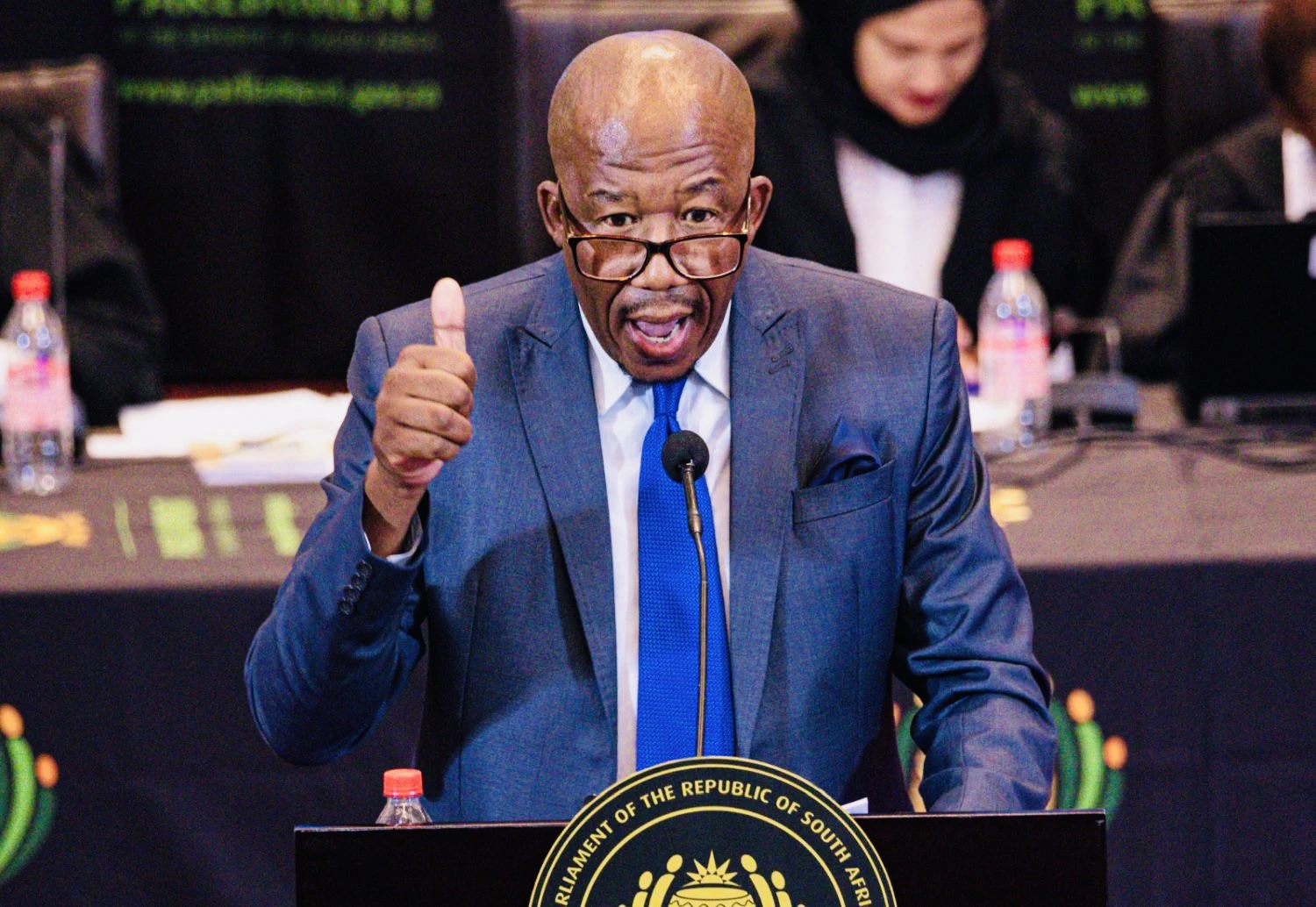
Mlindi Nhanha: Image Supplied
By Linda Mgomezulu: The National Prosecuting Authority (NPA) says it is considering an appeal after the Eastern Cape High Court in Makhanda found it defamed Democratic Alliance (DA) MP Mlindi Nhanha in a media statement and ordered it to pay R300 000 in damages—an outcome the prosecuting authority believes “is likely to set a precedent” for how it communicates about criminal matters.
The ruling, delivered on 17 February 2026 by Acting High Court Judge Nicola Molony, turns attention away from the political firestorm that followed the NPA’s 2021 statement and toward a broader question: how far an institution tasked with public accountability can go in public messaging without unfairly staining someone’s name.
Nhanha had sued the National Director of Public Prosecutions (NDPP) after the NPA released a statement—issued by regional spokesperson Analisa Ngcakani—about a domestic incident at his home in Dyamala, Alice, in April 2021. Nhanha argued the statement was false, defamatory and professionally devastating. He initially sought R1 million.
The NPA statement claimed Nhanha had been arrested for attempted murder following that domestic incident, alleging he assaulted his wife, Vatiswa, and her brother, Mxolisi Daniel, and “reportedly discharged a firearm at Daniel,” though no one was hit. It further stated he was granted R500 bail and that the NPA would decide whether to prosecute, despite the complaint later being withdrawn after an amicable resolution.
In court on 22 September 2025, Nhanha argued the wording was framed in a way that implied—and led readers to believe—that he was guilty of attempted murder, committed gender-based violence (GBV), and had fired a gun at Daniel. He said the statement spread widely, leading to him being branded a “woman basher” and portrayed as a threat to his own family. He also told the court the allegations bled into his parliamentary work, claiming colleagues distanced themselves.
The NPA defended its statement by saying the information came from the case docket, including affidavits from Nhanha, Daniel and other family members. It argued it had a duty to respond to media enquiries after Nhanha’s court appearance on charges related to “pointing a firearm and discharging it in public,” and denied liability, saying it did not know whether the contents were false or defamatory.
Molony rejected the NPA’s position, finding the statement defamatory because it imputed criminal offences of attempted murder and assault. She held that adding “allegedly” did not materially shift how the public would read the statement, and stressed that the release “made no reference to any charges involving the use of a firearm.”
“It, thus, cannot be said that the contents of press statement were substantially true and the defendant’s defence in this regard must fail. “The defendant accordingly did not successfully rebut the presumptions of wrongfulness and unlawfulness, and is liable to pay the damages suffered by the plaintiff,” the judgment reads.
Nhanha welcomed the ruling, describing the fallout as lasting and deeply personal.
“The actions of the NPA have come at a significant personal bearing to me and my family. “I have no doubt in my mind, actions by the NPA were politically motivated, with an express intention to injure my name and that of my party the Democratic Alliance,” his statement released on Thursday, 19 February reads.
The NPA, however, has signalled it is not ready to let the judgment stand without further scrutiny. In a statement on Friday, 20 February, NPA Eastern Cape spokesperson Luxolo Tyali said: “Upon reading of the judgment, we take the firm view that there may be aspects of the findings made that may require serious consideration by the NPA because the judgment is likely to set a precedent. “In addition to being precedent-setting, the judgment may have a bearing on how NPA’s spokespersons approach communication in criminal matters in the future,” Tyali said.







