
Subtotal R0,00

News/22 January 2026, 06:01am/Mpho Mokoena
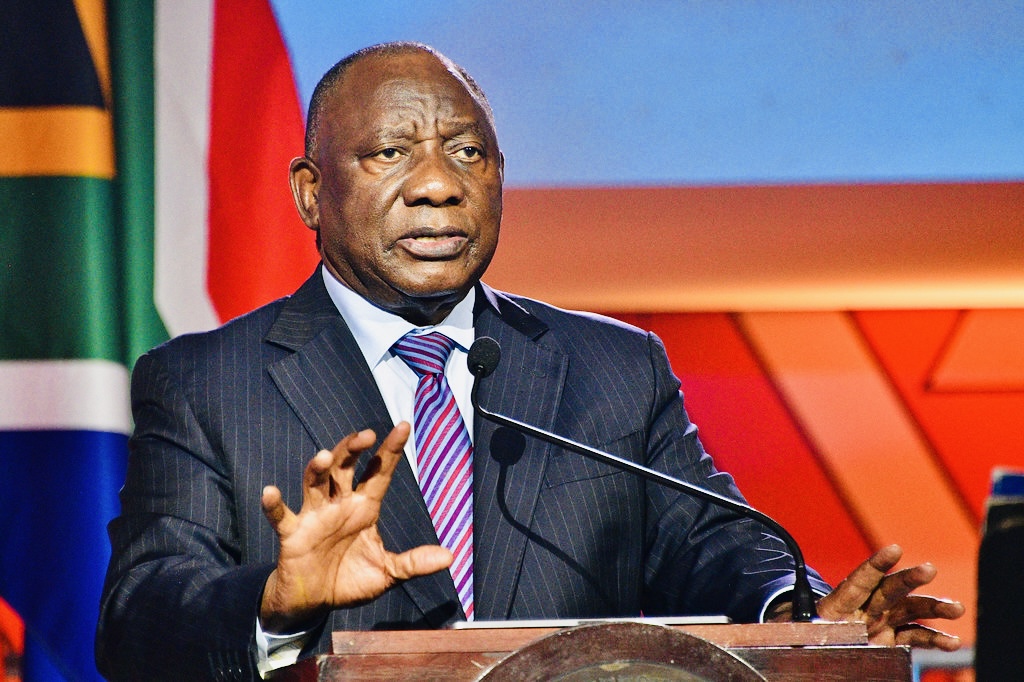
President Cyril Ramaphosa: Image Supplied
By Mpho Mokoena: In the wake of a heart-wrenching accident that claimed 12 learner lives in Vanderbijlpark, President Cyril Ramaphosa is moving to tighten the reins on scholar transport safety.
The move, described by officials as urgent and essential, aims to ensure that the vehicles entrusted with South Africa’s future generations are governed by stricter rules, better oversight, and swifter accountability.
What began as a routine school day for dozens of youngsters ended in catastrophe on a narrow road when a minibus, used for scholar transport, attempted to overtake a truck and collided with it. Dashcam footage circulating in the aftermath appears to show the minibus entering the oncoming lane during the overtaking attempt, a risky maneuver that veered into tragedy in seconds.
The Gauteng government has confirmed a critical detail: the driver involved in the fatal crash was operating with an expired Professional Driving Permit (PDP). That revelation has stunned many parents, educators, and civic leaders who say the safety standards around learner transport must be rock solid, not merely adequate to pass inspections.
Speaking on the sidelines of the Basic Education Lekgotla in Boksburg, President Ramaphosa stressed the urgency of safeguarding scholar transport. What he described as a moral imperative underscores a broader national insistence that the routes to school should not carry an unacceptable risk.
“I am going to be directing the minister [of basic education] and [the] transport [department] to look at how we can save the lives of our children. Our children are the future, and they are the most prized possession that we have as a nation,” Ramaphosa said, articulating a resolve that has resonated beyond political corridors.
The president’s remarks arrived as questions swirled about oversight, licensing, and the real-world effectiveness of current regulations governing vehicles that shuttle hundreds of thousands of learners daily.
Law enforcement reports indicate that the 22-year-old driver of the scholar transport has been arrested and charged with culpable homicide and negligent driving. The case has intensified calls for rapid reforms and stronger prevention measures to ensure similar tragedies are not repeated.
Families of the victims, along with educators and social workers, are urging policymakers to translate grief into lasting change. Advocates argue that accountability must extend beyond the individual driver to the systems that allowed such risks to persist.
While details are still emerging, the overarching objective is clear: elevate the safety standards surrounding scholar transport from regulatory compliance to proactive risk elimination. Potential areas of reform under consideration include:
- Tightening PDP renewal processes and ensuring immediate penalties for expired permits.
- Requiring more stringent vehicle inspections, including seat belts, seat occupancy monitoring, and emergency response readiness.
- Mandating real-time monitoring and reporting for high-risk routes and vehicles carrying learners.
- Expanding driver training, highlighting defensive driving, passenger management, and crisis response.
- Implementing independent audits of scholar transport operators, with transparent public reporting.
Education and transport authorities are expected to outline a concrete plan in the coming weeks, outlining how resources will be allocated to implement these safeguards without disrupting essential transport for learners.
Parents and school leaders express a mix of grief, resolve, and insistence on change. “We trusted the system to protect our children,” one mother shared, her voice steady but shaking. “If a system can fail, it must be rebuilt with no margin for error.” Teachers, who witness the daily grind of getting learners to and from schools, emphasize that safety cannot be compromised by cost-cutting or bureaucratic delays.







