
Subtotal R0,00

North West/ 08 January 2026, 11:43am/ Dakalo Mulaudzi
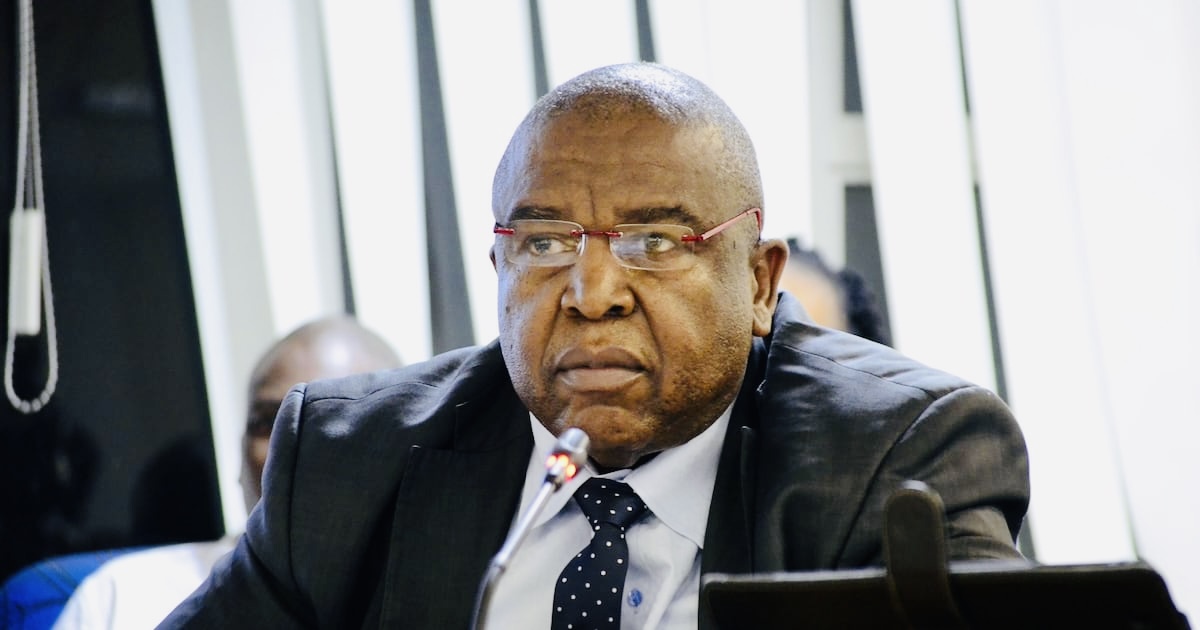
Dr Andrew Lekalakala: Image Supplied
By Dakalo Mulaudzi: A courtroom has thrown out former North West Department of Health head Dr Andrew Lekalakala’s attempt to build a legal shield around testimony he gave during a brutal, all-night grilling in the provincial Legislature, leaving the former health boss to face fraud and corruption charges linked to a lucrative contract awarded to a company tied to the fugitive Gupta family.
Lekalakala is accused of fraud, corruption, and contravention of the Public Finance Management Act as head of the department, but in contravention of the Public Finance Management Act (PFMA), he represented the department in concluding an agreement with a company named Mediosa for the provision of mobile primary healthcare in certain districts of the North West. Prosecutors allege the deal was irregular; Lekalakala’s camp has tried to move the battleground away from the contract itself and onto what happened after it—when politicians summoned him to account.
That summons, he says, was not a routine oversight meeting but an ordeal that stretched into the early hours. After the conclusion of the agreement, Lekalakala was summoned to a joint session of the Provincial Legislature. He told the court he was appointed the head of the department and then concluded an agreement with Mediosa to secure and provide mobile primary healthcare in two rural districts of the North West.
According to Lekalakala, the controversy surrounding his appointment and the Mediosa agreement ignited public scrutiny. He claimed the appointment caused a media frenzy, which led to him, his deputy, and other senior officials being summoned to a joint session of the Legislature.
Then came the interrogation he now says haunts his criminal case.
“I was questioned, or rather interrogated under oath in the presence of the other officials being present for several hours until approximately 5am. I was obliged to answer the questions put to me, whether relevant or not, as per the Provincial Privileges Act,” he explained.
He says the pressure was compounded by repeated warnings about the seriousness of the oath.
Lekalakala said that during his evidence, he was also several times reminded that he was under oath and that he must speak the truth.
In his version, the session crossed a line from hard questioning into intimidation—complete with threats that law enforcement could be called in.
“I experienced the process as being domineering and threatening. I was now and then threatened with a remark ‘that the police must be called, and I must be locked up immediately’. Following my appearance before the committee, a complaint was lodged at the SA Police Service (SAPS),” he maintained.
But it was not only the tone of the Legislature meeting that he placed before the court. The core of his bid was to keep what he said in that chamber from being used against him later—or to force a constitutional rethink of the law governing legislative protections.
Lekalakala claimed he was entitled to legal privilege in respect of his evidence tendered before the legislature, or in the alternative, if he is not entitled to legal privilege, he ought to be protected, and that the court needs to make a finding of constitutionality of the North West Immunities Act.
He also asked the court to examine whether his fundamental rights were breached by the way the Legislature compelled his participation. In addition, he wanted the High Court to decide on whether his constitutional right not to incriminate himself was violated, and if he was compelled to attend the Legislature meeting, and was compelled to testify and/or to answer questions of members of the Legislature.
And, with criminal proceedings in mind, he tried to secure a ruling that his Legislature testimony could render any future trial constitutionally unfair.
Lekalakala also wanted the court to determine whether the admission of evidence given by the applicant before the legislature would render his criminal trial unfair in terms of the Constitution.
The court, however, shut the door on that strategy. However, the North West High Court dismissed Lekalakala’s application to have the North West Provincial Legislature’s Powers, Privileges and Immunities Act declared unconstitutional on the basis that Lekalakala alleges that it offends his right against self-incrimination.
The ruling means Lekalakala’s attempt to turn a political grilling into a constitutional escape hatch has failed—for now. The state’s case, rooted in the Mediosa agreement and the alleged PFMA breaches, remains on track, while the former health department head must now fight his battle where it began: in the criminal courts.







