
Subtotal R0,00

News/ 07 January 2026, 18:36pm/ Dakalo Mulaudzi
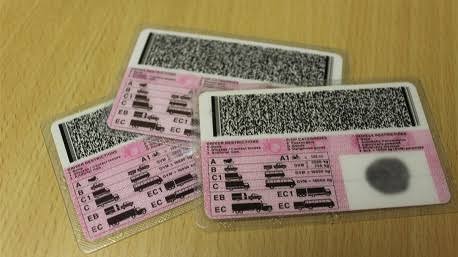
By Dakalo Mulaudzi: South Africa’s long-running driving licence card crisis has taken a new turn after the North Gauteng High Court set aside the Department of Transport’s tender for new card-printing machines, declaring the procurement process unlawful and ordering the department to start again.
In a judgment that shifts the immediate spotlight from who would supply the machines to how government will keep cards flowing in the meantime, the court instructed the department to cancel the current bid and re-advertise it within 30 days. The ruling follows findings by the Auditor-General (AG) that the procurement process failed to meet key legal and regulatory requirements.
At the centre of the case was the department’s decision to appoint the French company Idemia as the preferred bidder — a decision the court ruled was “irregular, unlawful and invalid” after reviewing the AG’s concerns.
According to the AG’s report, the tender process showed repeated non-compliance with the Public Finance Management Act (PFMA), Treasury regulations and the department’s own internal licensing procurement procedures. The report also found that the bid evaluation committee departed from the criteria and specifications set for the tender when it awarded the contract to Idemia, raising questions about fairness and consistency in how bids were assessed.
The court’s ruling effectively endorses those findings, requiring a reset of the procurement process rather than attempting to correct defects within the existing tender.
While the order compels the department to restart the process quickly, the court also made provision for continuity in a service that has already been battered by technical failures and prolonged delays.
To prevent further disruption, the department has been granted permission to temporarily outsource the printing and issuing of driving licence cards to the Department of Home Affairs while a new service provider is procured through a fresh tender.
The interim arrangement is intended to keep production running as the Department of Transport returns to the market — a significant point given the public impact of previous stoppages.
The legal fight comes after months in which motorists faced uncertainty and long waits due to the breakdown of the country’s licence card printing machine early last year. The backlog of applications and renewals was only cleared in December, when 2.2 million cards were eventually printed.
Those delays intensified scrutiny of the department’s ability to maintain critical infrastructure and manage procurement for replacements.
Transport Minister Barbara Creecy welcomed the decision, saying it supported the department’s move to approach the court rather than defend a process tainted by irregularities.
In a statement, Creecy said the outcome vindicated the department’s position that transparency and clean governance required judicial clarity — particularly where the AG had already raised serious compliance concerns.
Beyond the immediate need to replace ageing production capacity, government is also positioning a longer-term alternative. A prototype driving licence card developed by the Government Printing Works has been approved by government, and Cabinet is expected to consider the proposal as part of a broader solution for the country’s card production system.
For now, the court order forces a rapid re-run of the procurement process — with the public likely measuring success less by legal compliance alone than by whether licence cards can be produced reliably without another backlog.







