Subtotal R0,00

Politics/ 30 December 2025, 06:30am/ Dakalo Mulaudzi
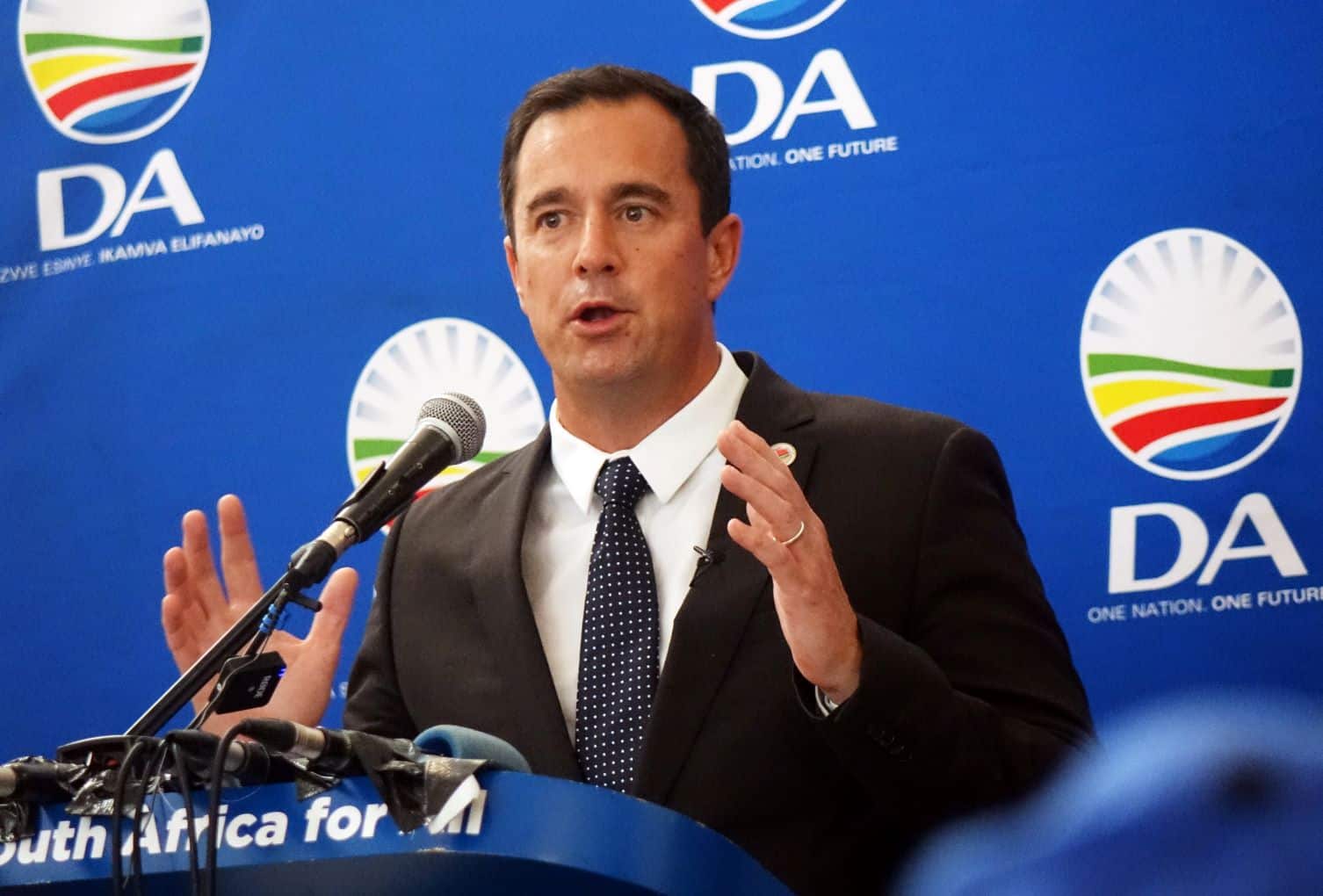
DA leader John Steenhuisen: Image Supplied
By Dakalo Mulaudzi: The Democratic Alliance’s (DA) ongoing internal divisions have drawn criticism from political analysts, who say the party is now mirroring the very practices it has long accused the ANC of — using state resources to secure political support.
Political analyst Professor Ntsikelelo Breakfast says senior DA leaders are allegedly deploying state machinery to settle factional battles as the party heads towards its elective conference next year. According to Breakfast, these internal struggles have intensified to the point where formal complaints have now been lodged with oversight institutions.
This follows a complaint filed with the Public Protector by the current Minister of Forestry, Fisheries and the Environment, Willie Aucamp, against his DA predecessor, Dr Dion George. Aucamp has accused George of misusing state resources to carry out a politically motivated smear campaign.
Aucamp has requested an investigation into what he claims was an improper probe initiated by George and his former staff shortly after Aucamp took office. He alleges that the investigation targeted his private business affairs and falsely attempted to link him to the lion breeding industry — an industry he insists he has no involvement in. Aucamp believes the investigation was baseless and politically driven
Aucamp was appointed to the ministerial post in November, following DA leader John Steenhuisen’s request to President Cyril Ramaphosa to remove George from the position. Steenhuisen cited “underperformance” and “mismanagement” as the reasons for George’s removal.
George, however, rejected these claims and suggested that his dismissal was retaliatory. He alleged that, in his role as the DA’s federal finance chairperson, he had raised concerns about Steenhuisen’s spending habits. George further claimed that he revoked Steenhuisen’s access to a party-issued credit card after discovering irreconcilable personal expenses, including Uber Eats orders.
At the same time, Steenhuisen was facing public scrutiny over a default court judgment in May 2025 for nearly R150,000 in unpaid personal debt. These developments coincided with further instability within the party, including the removal of DA Deputy Minister of Trade, Industry and Competition Andrew Whitfield in June 2025.
Professor Breakfast argues that Steenhuisen is using state appointments to remove rivals and reward loyalists ahead of the party’s leadership contest.
He said Aucamp was also appointed to fight George.
“But he might have forgotten that that one (George) has ammunition as the treasurer of the party. That is why he exposed that Steenhuisen has been abusing the party’s credit card,” said Breakfast.
He added that the silence of DA federal chairperson Helen Zille suggests a shift in internal support, claiming that Steenhuisen has appointed Aucamp for personal political benefit.
“That appointment has nothing to do with the party. That is why I am saying state machinery has been used to dish out favours in exchange for political support,” Breakfast said.
Governance expert and political analyst Sandile Swana echoed these concerns, saying that while George had performed well in regulating wildlife, his position conflicted with vested interests within the DA, the Government of National Unity (GNU) and certain business sectors.
Swana said this reflects what he described as “politics of the stomach,” arguing that George is unlikely to survive the battle. Adding that Steenhuisen has money, while he only has intellectual capital and sound technical arguments.
Another analyst, Professor Theo Neethling, said the dispute bears the hallmarks of early conference manoeuvring, suggesting that internal rivalries are already shaping perceptions of authority and legitimacy within the party.
Neethling described Aucamp’s appointment as politically significant.
“Aucamp’s appointment is politically significant. He had previously been appointed by Steenhuisen as a DA national spokesperson — a role that typically reflects trust, loyalty and close alignment with the party leader’s strategic messaging. His elevation to the cabinet, therefore, reinforces perceptions that Steenhuisen is consolidating influence around trusted allies at a time of growing internal contestation,” he said.
Neethling added that these developments indicate the DA is entering a period of intensified internal competition, where leadership authority, factional alignment and succession politics are becoming increasingly intertwined.
DA spokesperson Karabo Khakhau said the party could not comment on the matter, stating that it was unaware of the basis of the allegations that state resources were being traded for political gain.