Subtotal R0,00

Transport/ 19 December 2025, 16:35pm/ Ayanda Shezi
Motorists urged to remain vigilant despite improved road safety figures. Image Supplied
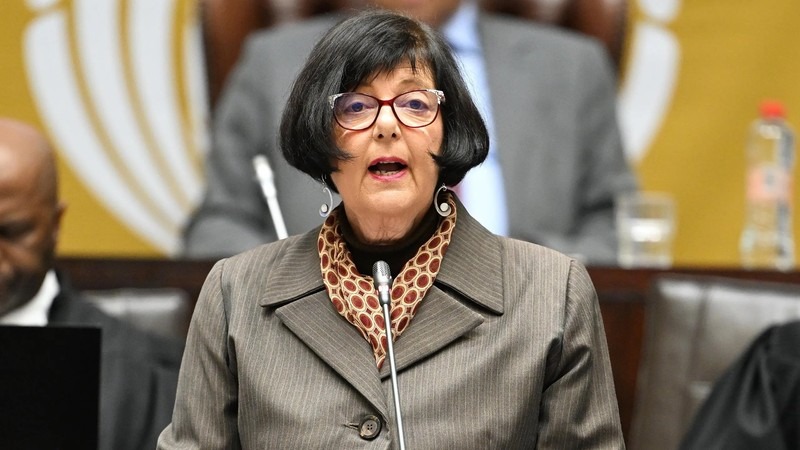
By Ayanda Shezi: South Africa has recorded a notable decline in road fatalities halfway through the 2025 festive season, with early figures showing a reduction of just over 20%. While authorities have welcomed the improvement, Transport Minister Barbara Creecy has warned that the gains remain vulnerable as the busiest travel period of the holidays is still ahead.
Creecy presented the mid-term review of the 2025 Festive Season Road Safety Campaign on Friday, outlining preliminary statistics covering the period from 1 to 16 December. According to the data, fatal crashes dropped by 20.9%, while road deaths declined by 20.8% compared to the same period in 2024. “We are seeing a decrease in the number of fatalities and remain positive about our current efforts,” Creecy said.
“However, this early encouraging trend masks the ongoing reality of road trauma across the country.”
Figures released by the Department of Transport show that fatal crashes decreased from 545 last year to 431 this year, while fatalities fell from 638 to 505. This means 113 lives have been saved so far during the festive season. The daily average number of deaths on the country’s roads currently stands at 32, marking the lowest level recorded in five years.
Despite these improvements, Creecy cautioned that road deaths continue to occur every day, with pedestrians remaining the most vulnerable group. In the Western Cape alone, 66 people were killed in 55 crashes during the first half of December.
“Pedestrians continue to represent a disproportionately large share of the road toll,” she said, adding that pedestrians account for 44% of fatalities. Passengers make up 28%, drivers 26%, and cyclists 2%.
Gauteng continues to record the highest number of road deaths, despite seeing a 12% drop in crashes. The province reported 105 fatalities in 95 crashes. KwaZulu-Natal followed with 88 deaths, Mpumalanga with 69, and the Eastern Cape with 52.
The Free State emerged as the strongest performer during this period, achieving a significant reduction in fatalities. “The Free State managed to bring major crashes from 40 last year this time to 19 this year, while road deaths were brought down from 61 to 20,” Creecy said.
In contrast, Mpumalanga and the Northern Cape recorded increases in fatalities compared to last year. Creecy attributed these setbacks to ongoing behavioural risks, including alcohol abuse, speeding, fatigue and unsafe pedestrian behaviour. She also said adverse weather conditions had affected road safety efforts.
“The data at mid-season tell us that enforcement is having an impact on incident rates, but fatal crashes are still occurring at unacceptable levels,” she said.
Law enforcement operations have intensified nationwide. A total of 639 roadblocks were conducted, with more than 714,000 vehicles stopped and checked. Authorities issued 168,427 traffic fines, removed 3,695 unroadworthy vehicles from the roads, and impounded 2,552 public transport vehicles.
Drunken driving arrests rose sharply to 2,364 cases. “We increased drunken driving arrests by 97.8% this year compared to last year,” Creecy said. Other arrests included motorists for excessive speeding, reckless driving, jaywalking on freeways and attempting to bribe traffic officers. One Gauteng motorist was caught driving at 193km/h in a 120km/h zone, while an Eastern Cape driver recorded a breath alcohol level of 2.38 milligrams per 1,000 millilitres, “ten times above the country’s legal breath alcohol limit”.
As Christmas and New Year travel approaches, Creecy said enforcement would be intensified further. “As we approach the peak travel period around Christmas and New Year, Government will adopt a zero-tolerance approach to lawlessness on the roads,” she said.
“Enforcement will be firm, visible and consistent, because every life matters.”
She urged South Africans to take responsibility for road safety, stressing that “every road death is preventable”. “To all road users, I reiterate the call to: never drink and drive, obey speed limits, ensure your vehicle is roadworthy, rest before long trips and wear seatbelts,” she said.
“Progress is possible, but it is fragile. Gains can be reversed quickly if discipline is not maintained and responsibility ignored,” Creecy said.
“Let us ensure that the remainder of this festive season is remembered not for tragedy, but for lives saved and families reunited safely.”