Subtotal R0,00

News/ 28 November 2025, 09:01am/ Ayanda Shezi
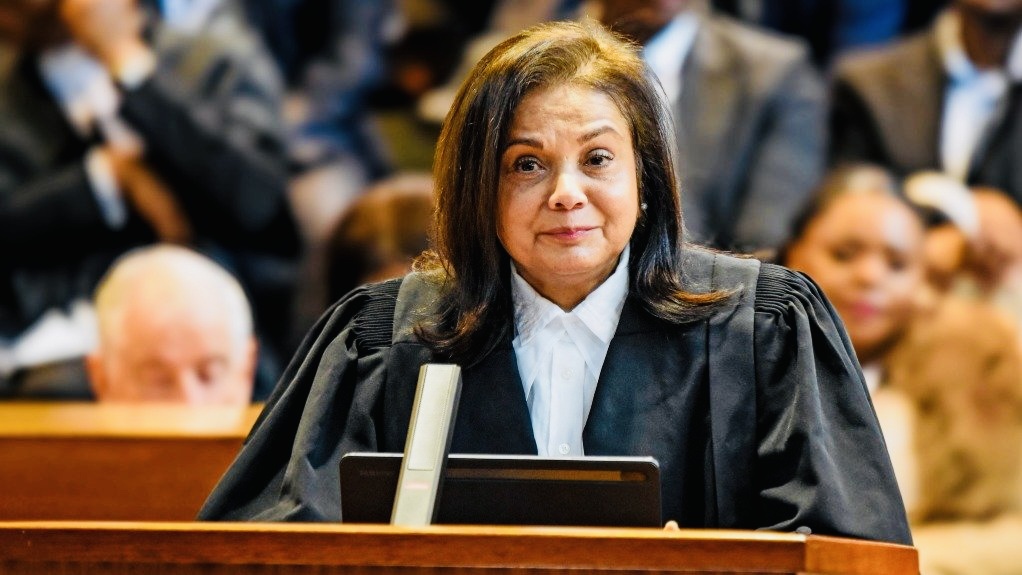
Batohi says Chauke’s key decisions in the Mdluli case did not meet NPA standards. Image Supplied
By Ayanda Shezi: National Director of Public Prosecutions (NDPP) Shamila Batohi has told the Nkabinde Inquiry that Gauteng Director of Public Prosecutions (DPP) Advocate Andrew Chauke’s decision-making in the long-running Richard Mdluli matter fell short of the standards required by the National Prosecuting Authority (NPA). She said his withdrawal of murder and attempted-murder charges against the former Crime Intelligence boss “was not consistent with the NPA’s policies and prescripts.”
Batohi appeared before the inquiry on Thursday, where she was taken through years of correspondence, reviews, and court outcomes that have become central to determining whether Chauke acted improperly when he removed the charges in 2012.
Evidence leader Advocate David Mhlamoynane SC led her testimony, highlighting a series of letters and explanations that had passed between her and Chauke. Batohi explained that on 13 May 2021 she wrote formally to Chauke requesting clarity about key decisions he made as DPP. These included his handling of both the Booysen matter and the Mdluli case.
In her letter, she told him that “a number of issues and decisions made by you have come to my attention and require additional information and clarification,” adding that her intention was to “make an informed decision on how to proceed.”
Chauke’s written reply, which was read into the record, relied heavily on a later Supreme Court of Appeal (SCA) judgment. He told Batohi that the SCA found his 2012 decision “not irrational” and had highlighted that any review should be undertaken by the NDPP. He also said a reconsideration memo was sent to then NDPP Mxolisi Nxasana, who, according to Chauke, “came to the same decision that I earlier made.”
Chauke added that “anyone who criticises me and imputes the decision under discussion to me only is both misplaced and wrong,” arguing that criticism “should also include the then NDPP, Mr Nxasana.” He described allegations against him as “unfounded” and claimed they were being advanced “for nefarious reasons or in the service of an unknown agenda.”
Batohi, however, told the inquiry that this did not address the core issue. She referred the panel to an opinion by Advocate Joe Nalane SC, who emphasised that the crucial period for assessing Chauke’s conduct was February 2012 — the moment he personally withdrew the charges.
According to Batohi, Nalane argued the question was whether Chauke, at that time, acted “within the prescripts of the law, policies and directives applicable to him as a prosecutor, and in particular as the DPP.” She said Nalane was clear that Nxasana’s later review “cannot serve as retroactive justification for Advocate Chauke’s original decision.”
She confirmed that the inquiry needed to consider only the period around 2 February 2012 and the weeks following, when Chauke referred the matter to an inquest — more than two years before the SCA judgment.
The inquiry heard that Chauke told her in writing that he believed sending the case to an inquest “might cause inculpatory evidence to surface.” Batohi said Chauke never specified what evidence was missing or what gaps existed.
She testified that all assessments at the time — including by the prosecution team, Judge Murphy, and later the SCA in the Brandt judgment — found the evidence strong enough for prosecution. She said, “Referring a matter like this to an inquest, where there is already sufficient evidence, poses a serious risk of weakening the case, not strengthening it,” explaining that traumatised witnesses would be subjected to yet another round of questioning.
By then, the case was already 13 years old. Batohi added that even after the inquest magistrate delivered findings favouring prosecution, Chauke “still did not reinstate the murder and attempted-murder charges,” opting instead for lesser charges.
These charges — intimidation, kidnapping, assault, and assault with intent to cause grievous bodily harm — eventually led to Mdluli’s 2019 conviction before Judge Mokgoatlheng, who rejected claims of a political conspiracy. The judge found the alleged plot was “fabricated, concocted and was not shown to exist.” Batohi said this demonstrated that the representations Chauke relied on in 2012 were “weak, unsubstantiated and later shown to be totally false.”