Subtotal R0,00

Free State/ 23 November 2025, 09:50am/Mpho Mokoena
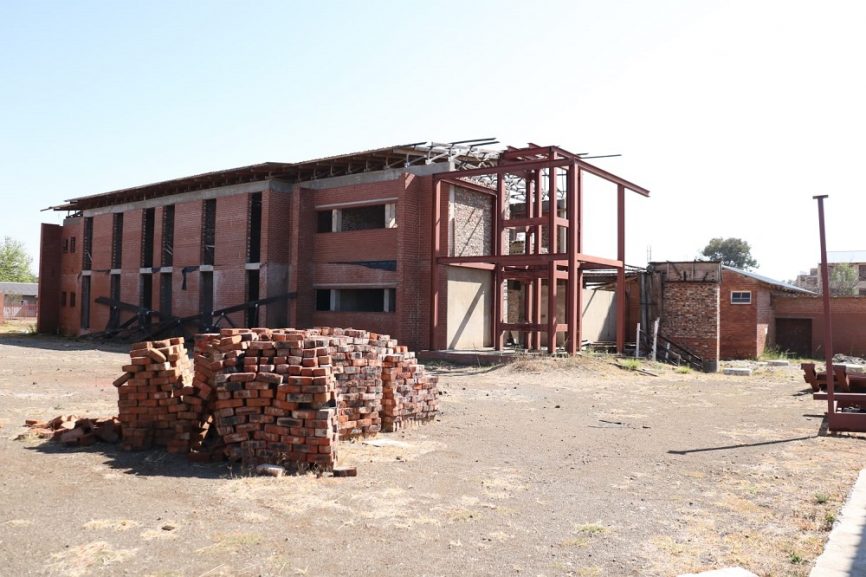
This image is for illustration purposes only and is not the actual picture: Image supplied
By Mpho Mokoena: A recent oversight mission by the National Council of Provinces (NCOP) in the Free State has spotlighted a mounting accountability crisis: more public infrastructure projects are being abandoned by contractors, raising questions about oversight, procurement, and the stewardship of state funds.
Led by committee chairperson Bheki Radebe, the delegation pressed for decisive actions to blacklist non-performing contractors, arguing that tougher consequences are essential to prevent recurrent failures in vital services.
The NCOP’s field visit this week revealed two unfinished Regional Bulk Infrastructure Grant (RBIG) projects within the Nketoana Local Municipality. The scope and potential impact of the stalled work became evident as officials inspected sites and reviewed project documentation.
The projects terminated before completion include; the construction of a 3ML reservoir in Petrus Steyn and the upgrade of the raw water and high-lift pump stations in Reitz.
These terminations have left critical infrastructure needs unmet, while the municipality bears the financial strain of delays and partial work.
Nketoana municipality, pursuing recovery through its legal representatives, disclosed that the incomplete RBIG initiatives have cost approximately R42 million to date. The findings underscore how non-performance drains local budgets and hampers service delivery.
Radebe underscored the broader danger of appointing incompetent companies to essential projects. “It is unacceptable for incompetent companies to be appointed for critical infrastructure projects only for them to abandon the work and later claim financial difficulty,” he stated.
He urged the municipality to “leave no stone unturned” in recovering state funds and to push for blacklisting of such companies from future government contracts.
In discussing systemic remedies, Minister of Public Works and Infrastructure Dean Macpherson indicated that professionalisation programmes are being drafted and enforcement will follow.
He explained that enforcement will occur “through restriction committees” to be established across all spheres of government and in all provinces.
The objective is to tighten the procurement environment and deter non-performance through clear, enforceable consequences.
CIDB CEO Bongani Dladla framed the issue as a broader, ongoing challenge. He noted that a CIDB analysis with the Auditor-General found that up to 70% of public projects are not considered successful due to delays, significant overruns, or compromises in quality. This finding points to systemic inefficiencies that extend beyond a single region.
The article’s broader pattern includes concerns about inconsistent responses to non-performing contractors. In Limpopo, officials faced criticism for not blacklisting underperforming firms. MEC Ernest Rachoene conceded that poor-performing contractors appointed by Roads Agency Limpopo (RAL) had not been blacklisted for failing to perform.
Since the 2020-21 financial year, a panel of preferred contractors had seen 601 contractors and consultants appointed, but 182 failed to meet deadlines. Only one contractor was terminated for poor performance, while no action was taken against the remaining 181, who continued to do business with the government, he said.