Subtotal R0,00

Business/ 17 November 2025, 08:16am/Dakalo Mulaudzi
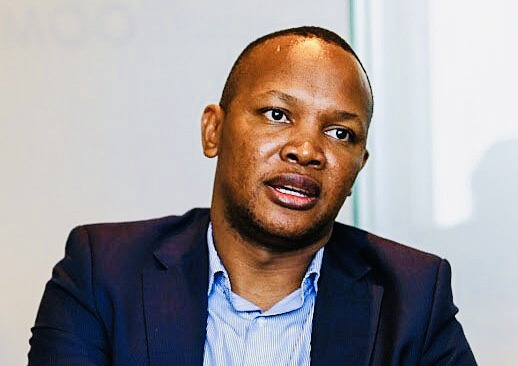
Nkosana Kenneth Makate: Image Supplied
By Dakalo Mulaudzi: Nkosana Kenneth Makate is steering back to the Johannesburg High Court to contest a 40% slice of his multi-million-rand settlement with Vodacom for the idea that blossomed into the ubiquitous “Please Call Me.”
This comes after Makate’s former legal funder filed urgent papers to block Vodacom’s payout to Makate and strengthen its own claim to a stake in the settlement.
The matter, slated for urgent hearing on Tuesday, 18 November 2025, had already raced through arbitration, where Makate’s claim was dismissed.
Black Rock Mining claims to be the nominated funder under a 2011 agreement between Makate and Chris Schoeman—an entrepreneur who had rallied several investors to fund the legal battle against Vodacom.
Under the agreement, each funder in the Raining Men Trade circle would receive roughly 4% to 5% of the final settlement if Makate’s claim prevailed. They would also bear full financial risk if the case was dismissed.
In a bold move, Black Rock sent a letter to Vodacom demanding the network withhold payment to Makate and his legal team at Stemela & Lubbe Attorneys.
Sinenhlanhla Mnguni, Black Rock’s legal representative, warned Vodacom that the firm planned to initiate legal action if the company did not respond or commit to withholding payment by close of business on 10 November 2025.
The tension traces back more than a decade. Schoeman has claimed that Stemela & Lubbe conspired to sideline Raining Men Trade by arguing that the investors were not footing Makate’s legal bills, thereby making Makate financially liable.
Schoeman has argued these claims were false and born of demands from Raining Men Trade’s directors and funders for a breakdown of the law firm’s bills.
Stemela & Lubbe have denied the allegations and defended against Raining Men Trade’s case for years. In 2020, the High Court ruled that Raining Men could not join Makate’s litigation against Vodacom, having failed to comply with two cost orders for legal expenses it could not pay.
Makate told the press he is “happy that the matter is heading to court to be finalised.” “This doesn’t give me sleepless nights because they don’t have a case,” he asserted.
“They are entitled to nothing. When we were with [Vodacom CEO] Shameel [Joosub], they wanted to have a seat in the room. I also had to fend them off by getting a judgment against them, saying I had exclusive rights.”
Makate has also alleged that Black Rock unconditionally withdrew from its participation in 2024. He has previously described meeting Raining Men Trade’s directors and funders as the greatest “misfortune” of his life, calling them “dishonest fraudsters.”
Earlier in November 2025, Vodacom and Makate announced a settlement for an undisclosed amount. Industry insiders suggest the settlement could lie between roughly R353 billion and R748 billion in implied earnings adjustments, with reliable sources indicating a minimum of around R500 million.
If Black Rock’s claims withstand scrutiny, it would be entitled to approximately R200 million to R299 million of Makate’s payout.
Tax considerations add another layer of complexity. Webber Wentzel tax experts noted that the ultimate settlement will likely be taxed as income, with limited room to deduct legal expenses from the taxable amount.
They cautioned that the precise tax treatment depends on the facts, the nature of the settlement, and the terms of the agreement, urging Makate to consult his tax advisors for a detailed assessment.
“The tax treatment depends entirely on the nature and purpose of the payment. Each case must be assessed on its own facts and circumstances,” the experts noted, underscoring that nuances could alter the final tally.
Beyond the money and legal theatrics, the case touches on a national narrative about innovation, credit, and the stewardship of ideas that change everyday life.
“Please Call Me” is a familiar feature of South African mobile life, a simple idea that reshaped a telecom landscape and spawned a business ecosystem of its own.
The court will now decide who gets a share of that legacy—and what signals the justice system sends to future inventors and funders alike.