Subtotal R0,00


Health/ 12 November 2025, 14:09pm/Mpho Mokoena
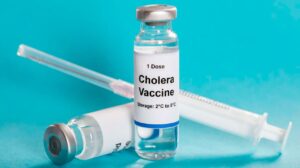
SAHPRA gives Biovac go-ahead to start oral cholera vaccine trials. Image Supplied
By Mpho Mokoena: South Africa has taken a historic step toward vaccine self-reliance, officially beginning clinical trials for the country’s first fully manufactured oral cholera vaccine. The milestone positions South Africa as the first African nation to produce the vaccine entirely from start to finish — a development hailed as a breakthrough for the continent’s health security.
The approval to commence the trials was granted by the South African Health Products Regulatory Authority (SAHPRA) to local vaccine manufacturer Biovac. The initiative marks a major leap in Africa’s capacity to respond to infectious disease outbreaks without depending on international suppliers.
Speaking on the announcement, Health Minister Dr Aaron Motsoaledi said the project strengthens South Africa’s resilience and independence in vaccine production.
“The commencement of clinical trials for South Africa’s first fully manufactured oral cholera vaccine is a historic milestone — not just for Biovac and the country, but for the entire African continent,” Motsoaledi said.
The first phase of the trial began in October 2025 at the Perinatal HIV Research Unit (PHRU) of the University of the Witwatersrand, focusing primarily on testing the vaccine’s safety in healthy adult volunteers. If successful, Phase 3 will test how effectively the vaccine stimulates protective antibodies at five clinical sites in Johannesburg, Durban, and East London. The study will be coordinated by the South African Medical Research Council (SAMRC).
What makes this project particularly significant is that Biovac is manufacturing the vaccine completely locally — from developing the initial bacterial strains to final clinical testing — rather than relying on imported materials for the “fill and finish” process as is typical for most vaccines produced in South Africa.
Biovac’s CEO, Dr Morena Makhoana, said the vaccine is a vital step in addressing global shortages of cholera vaccines.
“Biovac is proud to be manufacturing this vaccine entirely in South Africa — the first time in more than fifty years that such a milestone has been achieved,” she said. “If the trials succeed, South Africa will become the first country in Africa to produce a cholera vaccine.”
Professor Glenda Gray, President of the SAMRC, said the trials are critical to building Africa’s ability to respond to infectious diseases.
“We are honoured to lead these trials, which represent a historic moment for our nation,” she said, emphasizing the trials’ compliance with international clinical standards.
Government officials say the project also highlights successful collaboration between science, government, and industry. Deputy Minister of Science, Technology and Innovation Dr Nomalungelo Gina said it demonstrates how local innovation can strengthen Africa’s preparedness for health emergencies.
The project is backed by several international partners, including the Bill & Melinda Gates Foundation, Open Philanthropy, Wellcome Trust, and the ELMA Vaccines & Immunization Foundation.
Duncan Steele, from the Gates Foundation said, “At a time of widespread cholera outbreaks across Africa, this partnership with Biovac represents an important opportunity to produce vaccines locally and save lives.”
If the trials prove successful, the vaccine could receive approval for use in Africa by 2028, and possibly global approval by 2029. The Phase 3 trials will compare Biovac’s oral cholera vaccine with Euvichol Plus, a World Health Organization (WHO)-approved vaccine currently used internationally.
The achievement follows a 2022 technology transfer agreement between Biovac and the International Vaccine Institute (IVI) in South Korea — part of a long-term effort to develop local vaccine manufacturing capabilities.
The project aligns with the African Union’s goal of producing 60% of all vaccines on the continent by 2030, up from less than 1% currently — a target that could transform Africa’s health landscape and reduce dependency on global suppliers.