Subtotal R0,00

News/ 02 November 2025, 12:00pm/Linda Mgomezulu
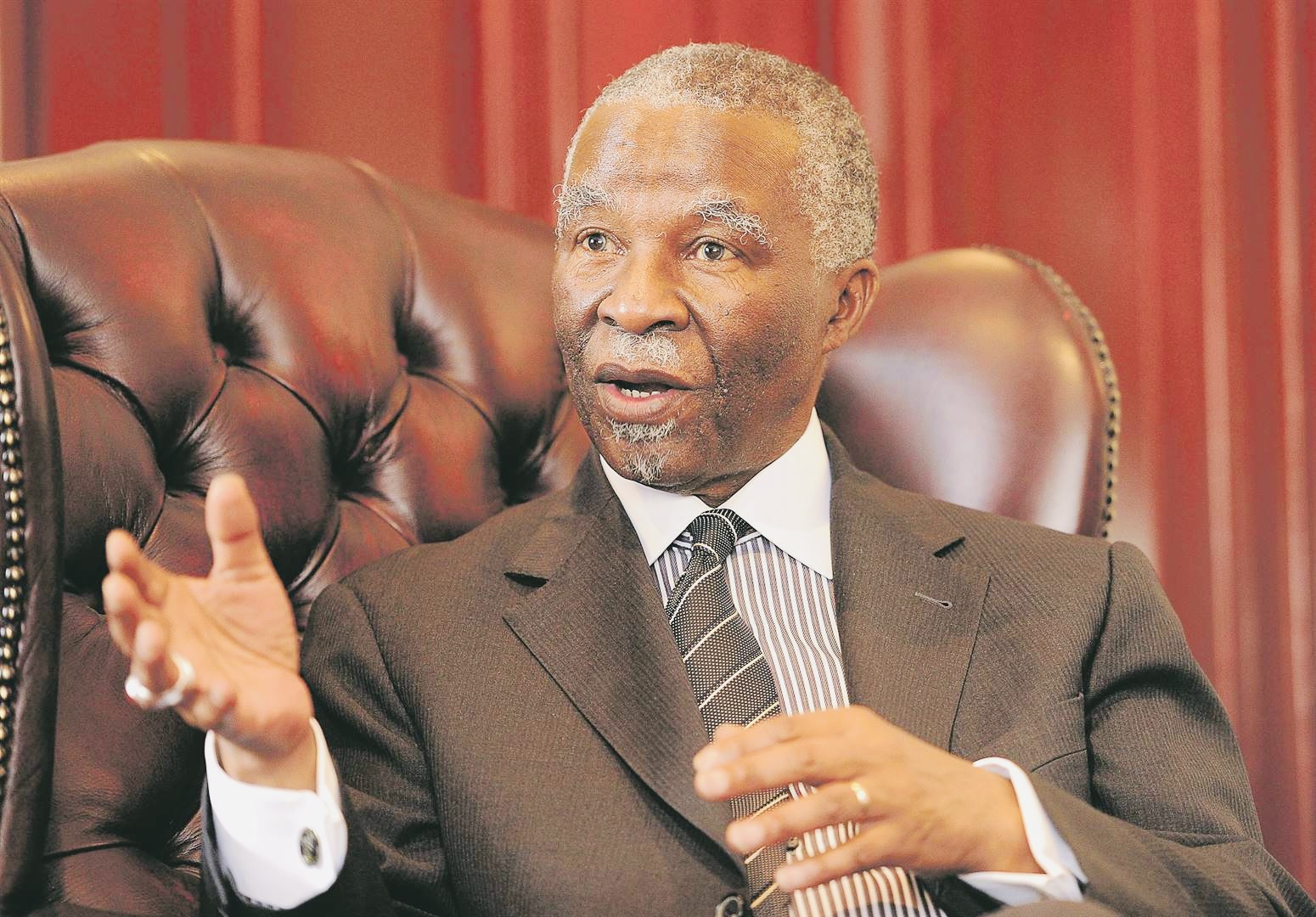
Former President Thabo Mbeki: Image Supplied
By Linda Mgomezulu: Former President Thabo Mbeki urged South Africa’s intellectuals, universities, and civic leaders to step forward with practical solutions to the country’s crises.
Speaking at the Nelson Mandela University in Gqeberha during the launch of the National Dialogue in the Eastern Cape Higher Education sector, Mbeki framed the gathering as a turning point where academia could translate concern into concrete action.
The event, which brought together academics, students, and policymakers, set the stage for a broader nationwide conversation about how higher education institutions can contribute to rebuilding the nation.
Mbeki’s address, delivered under the theme “Making Sense of the National Dialogue – A People in Conversation,” underscored a sense of urgency: more than thirty years into democracy, the country faces governance challenges and a cascade of crises that demand targeted intervention.
In reflecting on the country’s trajectory, Mbeki pressed the audience to move beyond traditional political rhetoric.
He called on the nation’s scholars and civic leaders to “take the lead in finding practical answers to the country’s crises” and urged them to “move beyond wishlists” toward actionable solutions.
The National Dialogue, he said, must become a space where citizens confront core concerns head-on—ranging from corruption and unemployment to eroding civic trust.
“If you look at South Africa at the age of thirty, the economy is in crisis, the politics are in crisis, crime and corruption crisis, even our relations with the rest of the continent are in crisis, there is nothing you can look at in South Africa at thirty which does not say crisis,” Mbeki stated.
He added that his critique of manifestos from the May elections reflected a belief that political promises alone would not resolve the country’s most critical challenges.
“So, I made my comments last year by which time all of the election manifestos by the countries that were contesting in the May elections were out, so I looked at them and I said no, we are not going to get answers from any of these manifestos about these critical challenges.”
The lecture, which unfolded under the banner “reimagining and co-creating Eastern Cape,” sought to align local higher education efforts with a national vision for “a new South Africa.” Mbeki emphasized that while political parties may present platforms, it is society’s thinkers who must determine the practical steps to address the crises.
“It’s the beginning of a different process not just to discuss the state of affairs but to discuss the question what does our intelligence do practically to answer the question about all of the different crisis that are grappling our country, because it has that responsibility because this is the only body of people in the country that can legitimately say we are the thought leaders, politicians are not thought leaders,” Mbeki remarked.
The launch also highlighted the collaborative, sector-wide approach of the National Dialogue. Supported by the Strategic Dialogue Group and the Thabo Mbeki Foundation, the Eastern Cape initiative is designed as a pilot for a broader national framework.
Dr Percy Mahlathi, Strategic Dialogue Group Chairperson, explained that the event’s theme — “reimagining and co-creating Eastern Cape” — positions higher education as a critical contributor to the country’s long-term vision.
“It would be a travesty to not include the higher education sector in these dialogues because our country is in crisis, and it is up to us to put our minds together and come out with a solution,” said Prof Sibongile Muthwa, Vice-Chancellor at Nelson Mandela University.
She framed the university’s role as both convenor and catalyst, inviting all four universities in the Eastern Cape and TVET colleges to participate.
The objective, she noted, is to “see from the higher education point of view how does higher education contribute to a new vision for South Africa.”
The event, billed as the opening phase of a sustained programme, signals an ambitious attempt to broaden inclusive dialogue across the higher education sector.
As South Africa grapples with governance concerns and a range of socio-economic pressures, the convocation at Nelson Mandela University suggests a growing consensus that knowledge institutions must step beyond discourse and into the realm of practical, scalable solutions.