Subtotal R0,00

Gauteng/ 02 November 2025, 09:34am/ GoodWill Mathebula
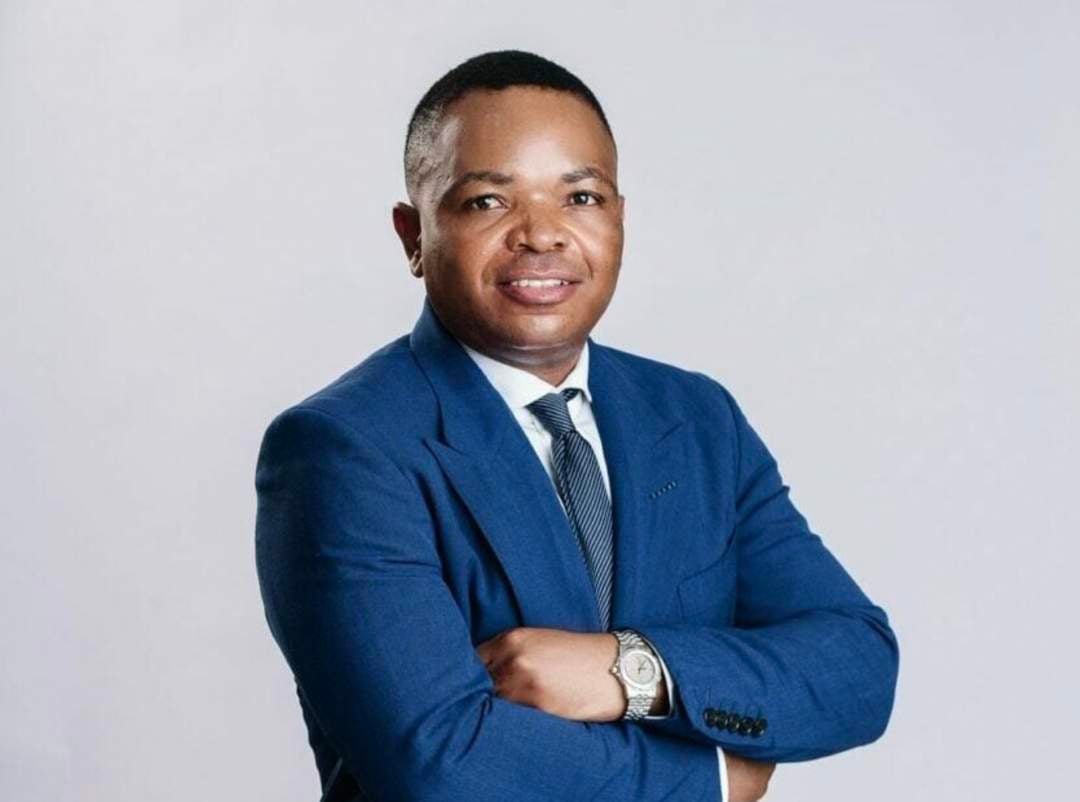
Kagiso Lerutla: Image Supplied
By GoodWill Mathebula: Two cities signaled their intent to push governance reforms through fresh appointments, even as political fault lines lingered over process, legality, and the real-world implications for service delivery.
The City of Ekurhuleni has welcomed Kagiso Michael Lerutla as its new City Manager, a move officials say signals continuity with high-impact governance reform.
Lerutla, a Chartered Accountant with more than 13 years of public finance and governance experience, steps into a role that has long been considered the city’s financial and administrative heartbeat.
Lerutla previously served as the city’s Group Chief Financial Officer, a tenure highlighted by a sustained push toward fiscal discipline and transparency. In a statement from City Hall, officials praised his leadership, noting that his track record “led Ekurhuleni to three consecutive clean audits.”
Educational credentials accompany Lerutla’s professional experience: a BCompt, a BCom (Honours) in Accounting, and an MBA.
The administration says these qualifications position him to press forward with initiatives aimed at strengthening governance, performance metrics, and accountability across municipal departments.
“We are confident that his leadership will further improve governance and performance across the municipality,” a city spokesperson asserted, underscoring Lerutla’s reputation for fiscal prudence and strategic oversight.
Residents and analysts will be watching closely to see how Lerutla navigates the city’s complex needs, from service delivery to capital projects, and how his approach—rooted in financial discipline—translates into tangible results for communities, businesses, and workers navigating the cost of living in one of Gauteng’s busiest townships.
Meanwhile in Johannesburg, the City Council confirmed the reappointment of Floyd Brink as city manager after months without a permanent municipal administrator. Brink’s path to renewal has been contentious, marked by judicial scrutiny and political maneuvering.
Brink was removed from the post in December of the previous year after the Democratic Alliance (DA) challenged his appointment in the Gauteng High Court.
The court found the appointment unconstitutional, unlawful, and invalid, a ruling that cast a long shadow over his tenure and the city’s administrative leadership.
Despite the court’s decision, Brink was rehired by the ANC-led coalition government. The council conducted a competitive process, evaluating ten candidates, including former Johannesburg Property Company chief executive Helen Botes.
In a decisive moment, Brink emerged as the leading candidate with a score of 81 percent, while Botes and Bryne Maduka each scored 48 percent.
At a council meeting on Thursday, the appointment was formally confirmed, reinstating a manager who returns to a city grappling with persistent service delivery challenges.
The immediate priorities, according to city officials, include overseeing preparations for the upcoming G20 summit and coordinating a broad slate of urban needs.
Critics and supporters alike weighed in on the decision. The African National Congress (ANC) officials praised Brink’s experience and resilience, highlighting his track record in senior government positions and his ability to maintain stability through turbulent political periods.
The Economic Freedom Fighters (EFF) expressed confidence in Brink’s leadership, noting his calm and principled approach.
Kenny Kunene, representative of the Patriotic Alliance, criticized the DA for having previously pursued Brink through court action, arguing that city officials consistently recognized him as a capable administrator.
The DA, for its part, abstained from the vote. Belinda Kayser-Echeozonjoku, the DA’s caucus leader in Johannesburg, explained the abstention as a principled choice to avoid entangling the council in intra-ANC factional battles.
“Our decision to abstain was deliberate and based on principle. The DA makes evidence-based decisions in the best interests of Johannesburg residents, not ANC factions,” Kayser-Echeozonjoku said.
Johannesburg remains under pressure from chronic service delivery gaps—water and electricity shortages, aging roads, and a rising tide of informal settlements.
Brink’s return, in this view, is a gamble on continuity and administrative steadiness during a time of high expectations from residents and business leaders alike.
Supporters argue that his experience in government roles and his ability to steer through political turbulence could stabilize the city’s operations at a critical juncture, especially as it gears up for international attention with the G20 summit.
Opponents caution that the court decision still looms as a reminder that procedural integrity cannot be sidelined.
They argue that the city’s governance should be immune to factional battles and should prioritize transparent, legally sound appointments that maximize public fondness for reliable service.
The next several months will test how much the city can achieve under Brink’s leadership while navigating the broader political landscape.
Ekurhuleni’s leadership transition centers on strengthening governance and performance metrics with a leader who has demonstrable experience in clean audits and financial stewardship.
The city’s public communication emphasizes Lerutla’s readiness to translate financial discipline into service improvements for residents.
Johannesburg’s leadership renewal arrives amid ongoing debates about governance legitimacy, the balance of power among political parties, and the imperative to deliver reliable services.