Subtotal R0,00

News/ 31 October 2025, 10:51am/ Ayanda Shezi
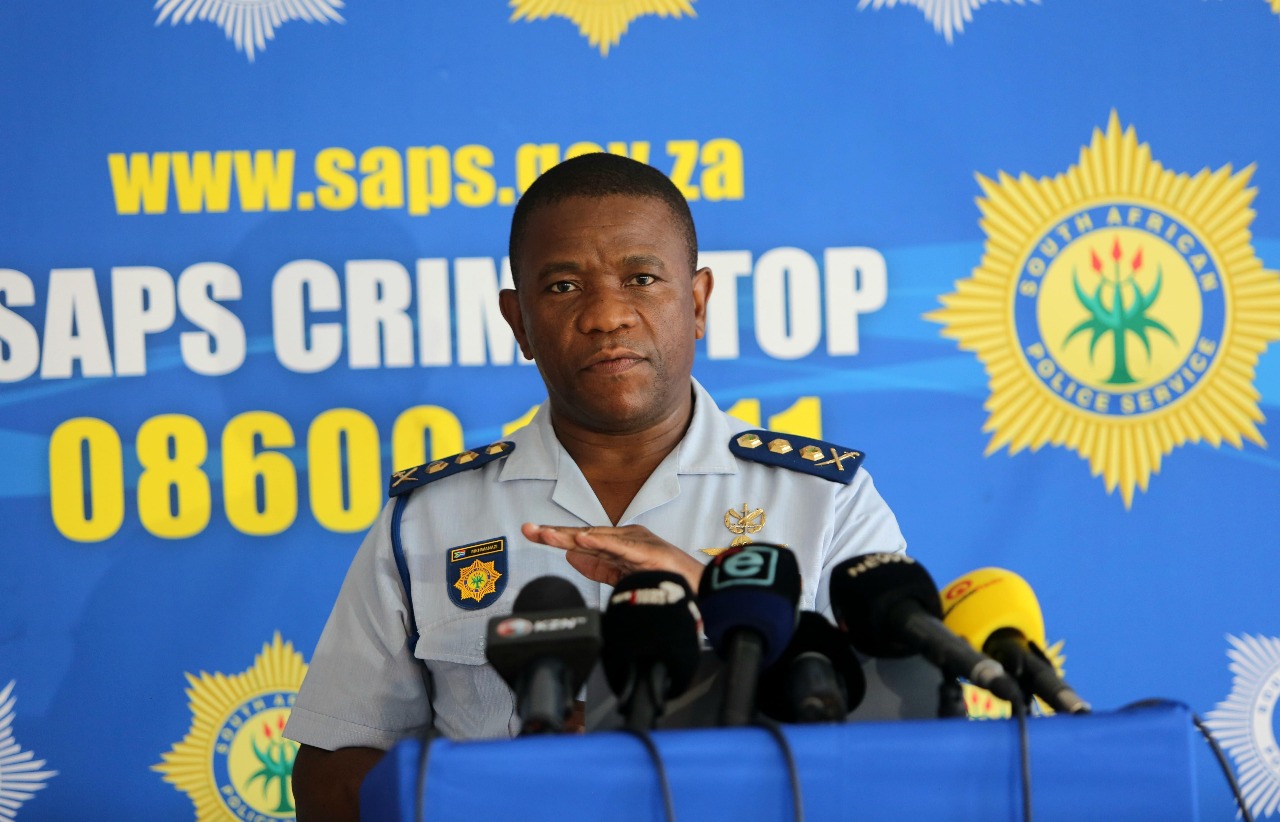
Mkhwanazi Says He’s Not Intimidated as Adams Pursues Perjury Charges. Image Supplied
By Ayanda Shezi: A tense standoff has erupted between KwaZulu-Natal Police Commissioner Lieutenant-General Nhlanhla Mkhwanazi and National Coloured Congress (NCC) Member of Parliament Fadiel Adams, after the senior police official retracted parts of his testimony before the Madlanga Commission — prompting Adams to open a perjury case against him.
What began as a procedural correction has now snowballed into a public confrontation that touches on deeper issues of accountability, political credibility, and the strained relationship between Parliament and South Africa’s security leadership.
During his earlier testimony before both the Madlanga Commission of Inquiry and Parliament’s Ad Hoc Committee, Mkhwanazi alleged that Adams had mishandled classified state information. He also made a startling claim that former Police Minister Bheki Cele had requested money from alleged organised crime boss Vusimuzi “Cat” Matlala — a man implicated in multiple criminal networks.
However, Mkhwanazi later withdrew his statement regarding Cele, admitting that the information had been based on an “error” in the analysis provided to him. He issued an apology to Cele, saying the mistake stemmed from an incorrectly identified bank account.
But the retraction — sent via SMS rather than through formal testimony — sparked outrage among MPs, who questioned the credibility of the withdrawal and the integrity of the original statement. Adams, who was named in other parts of Mkhwanazi’s evidence, accused the police general of undermining parliamentary processes and misleading the public.
On Tuesday morning, Adams lodged a formal perjury complaint against Mkhwanazi at the Cape Town Central Police Station, alleging that the commissioner had made false statements under oath.
“These false public allegations still constitute serious misconduct and possibly a criminal false accusation,” Adams said in his affidavit. “Such statements have the potential to erode public trust in SAPS leadership and create confusion regarding official investigations.”
He also expressed concern that if a senior police leader could make such claims publicly against a sitting minister, other individuals could easily fall victim to false accusations without proper evidence.
‘I’m not afraid — let him bring it on’
Unshaken by the criminal complaint, Mkhwanazi fired back on Thursday during a media briefing in Durban, held after launching KwaZulu-Natal’s festive season safety plan.
Speaking candidly, the provincial police boss dared Adams to pursue the matter in court.
“Everyone in this country has the right to open a case if they believe the law has been broken,” Mkhwanazi said. “If Mr Adams feels he must use that as a strategy to intimidate me, I am not afraid of that. We will find each other in the right place — let it happen. He must bring it on.”
The commissioner maintained that his earlier remarks were made in good faith and based on information received from internal police sources. He said he would clarify his position when he returns to the Ad Hoc Committee to formally correct his record.
“What I said in July was not about me personally,” he explained. “Some of the information came from the police team I represent. If there was an omission or mistake, it will be explained properly.”
Mkhwanazi reiterated that his retraction was made to prevent further misunderstanding, not to conceal wrongdoing. In his formal apology to Cele, he acknowledged that the investigative team had mistakenly linked the wrong bank account to the former minister and expressed regret for “any inconvenience or hurt caused.”
Political analysts say the confrontation underscores the growing tension between Parliament and senior law enforcement officials, as institutions grapple with restoring trust after years of corruption scandals and factional battles within the security cluster.
“This clash is about more than just perjury,” said a governance expert familiar with the case. “It’s about whether senior police officers can be trusted to give accurate testimony under oath — and whether politicians can hold them accountable without turning oversight into a political weapon.”
For Adams, who has positioned himself as a vocal critic of corruption within government structures, the case is as much about principle as it is about process. “If those entrusted with enforcing the law can mislead Parliament without consequences,” he told reporters, “Then the entire system of accountability collapses.”
Mkhwanazi, meanwhile, appears intent on defending his professional integrity — even if it means facing prosecution. His defiant tone suggests he views Adams’s actions as politically motivated rather than a legitimate pursuit of justice.
The perjury case is now in the hands of the police, who will investigate whether Mkhwanazi knowingly gave false information under oath. Depending on the findings, the matter could be referred to the National Prosecuting Authority for possible charges.
Mkhwanazi is also expected to reappear before the Ad Hoc Committee in the coming weeks to formally explain the circumstances surrounding his retraction and clarify the evidence that led to his initial claims.